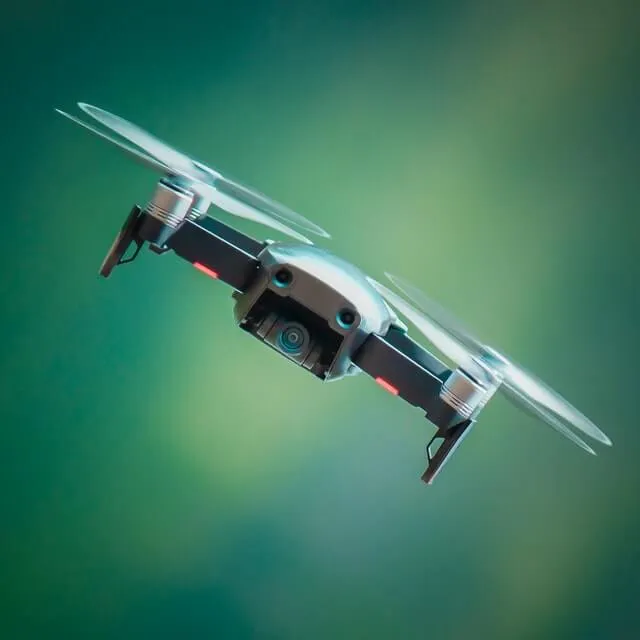
If you're running a spray drone operation or flying any kind of agricultural drone commercially, you already know how much is riding on that aircraft. We're talking about equipment that can cost anywhere from $15,000 to well over $40,000 per unit. When something goes wrong, and eventually something does, the question isn't whether you needed coverage. It's whether you had the right kind.
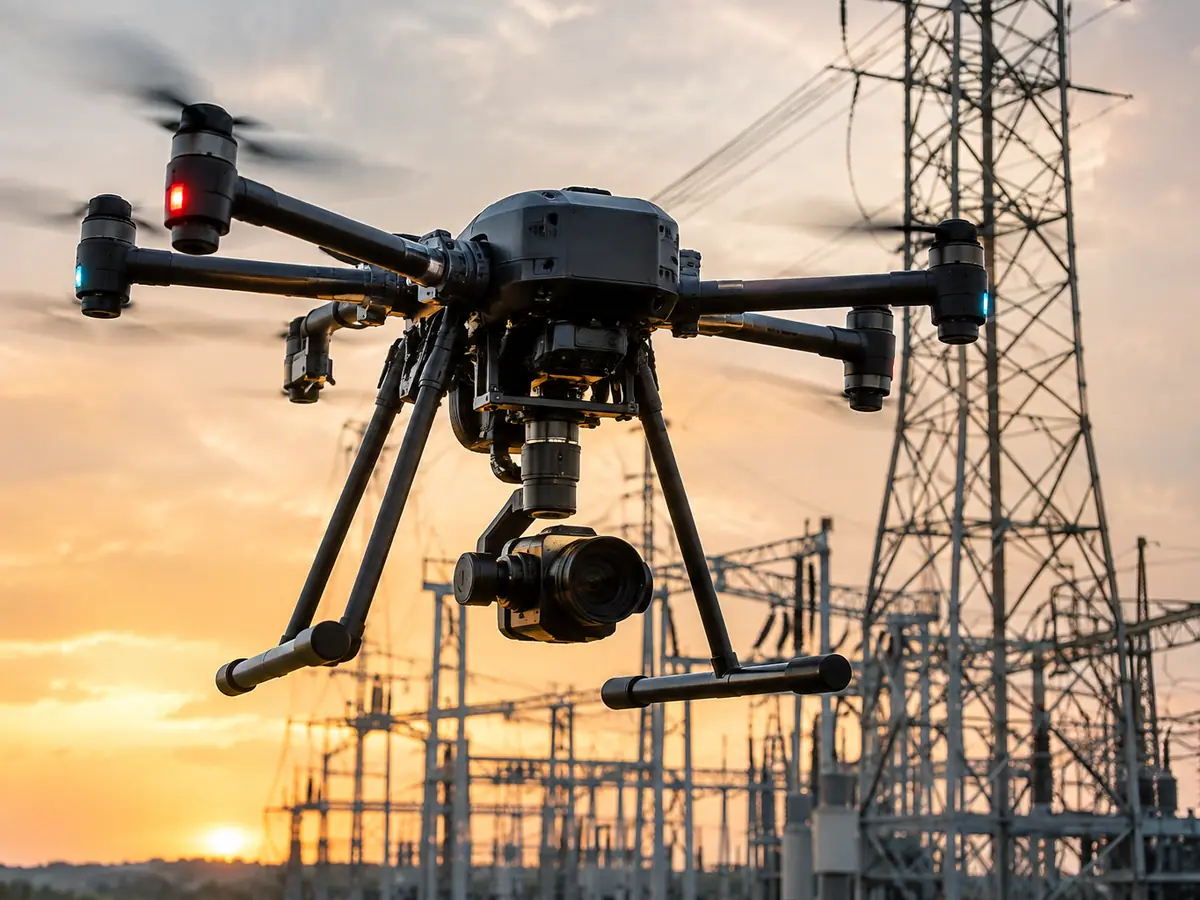
Agriculture drone hull insurance is the coverage that protects the physical aircraft itself. Not the liability side of things. Not the payload or third-party property. The drone. The body, the components, the motors, the sensors, everything that makes up the machine. If your aircraft crashes, gets damaged in a hard landing, or takes on water during a field operation, hull coverage is what pays for repairs or replacement.
What Does Hull Coverage Actually Include for Ag Drones?
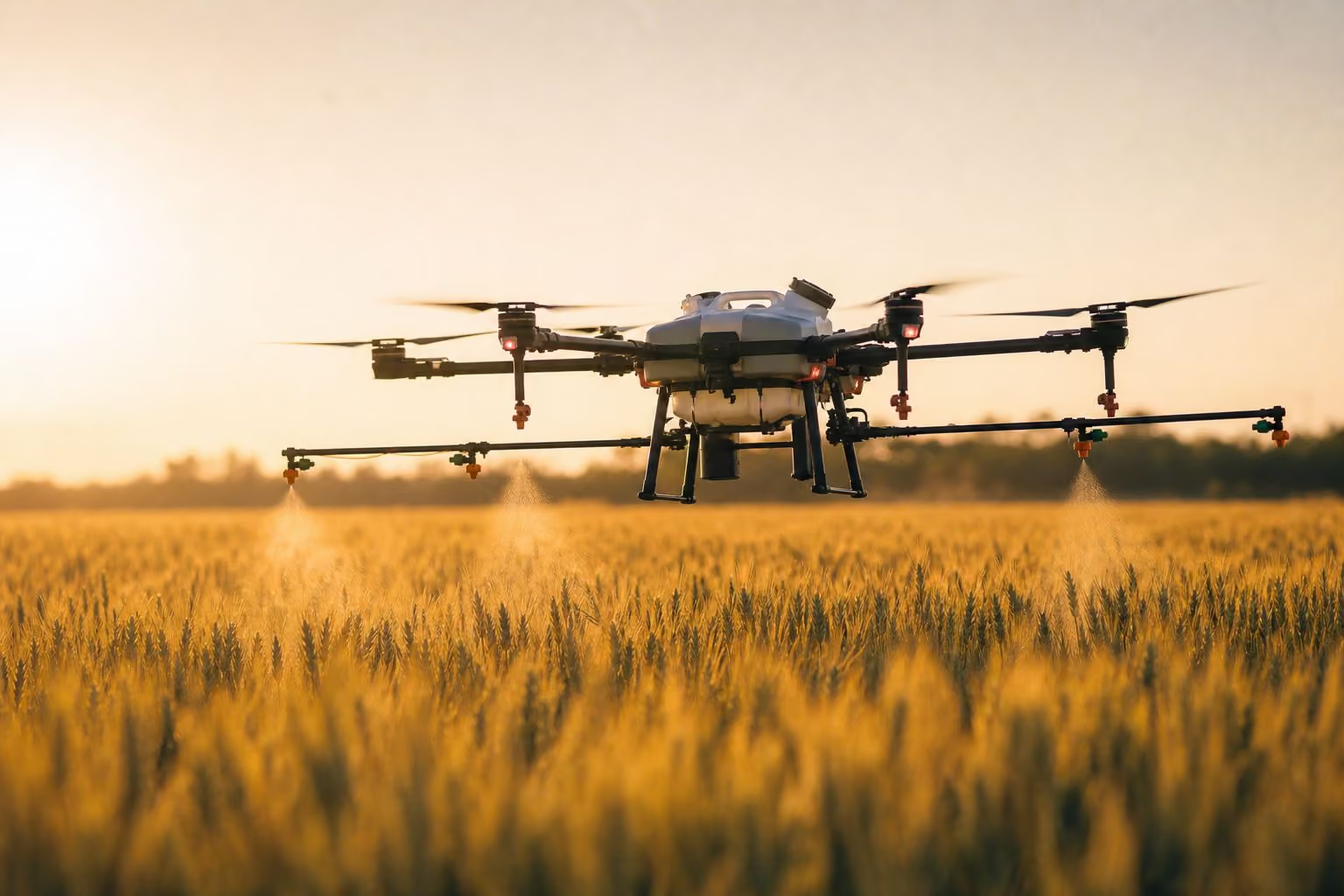
This is where operators often get tripped up. Standard drone policies aren't always built with agricultural operations in mind. A basic policy might cover your drone if it falls out of the sky over a suburban neighborhood, but ag drones operate in a completely different environment. They fly low and fast over crops, often in early morning humidity or late afternoon wind. They carry heavy chemical tanks. They land in uneven terrain. The risk profile is different, and your coverage needs to reflect that.
With agriculture drone hull insurance, you generally want coverage that accounts for the full replacement value of the aircraft, not a depreciated payout that leaves you short when you're trying to get back in the field. We work with underwriters who specialize in ag drone operations, so the policies we offer are structured around how these aircraft are actually used, not how a generalist insurer imagines they might be used.
Physical damage coverage typically includes crashes, flyaways, hard landings, rotor strikes, and weather-related incidents. Some policies also extend to ground handling damage, which matters more than people think. A lot of ag drone damage happens when the aircraft is being loaded, transported, or set up at the field. Spray drone physical damage insurance should cover those moments too, not just the time the drone spends airborne.
It's also worth asking about coverage for component-level damage. Ag drones take a beating. Propellers crack. Motors overheat. Sensors get fouled by spray residue. Good ag drone hull coverage will address the parts that are most likely to fail under real working conditions, not just total-loss scenarios.
One thing that catches operators off guard is the distinction between hull coverage and equipment coverage. If you're flying sensors worth thousands of dollars, or running a specialized spraying system, that gear may not be included under a standard hull policy. Make sure you're reading the policy terms carefully, or working with someone who will walk you through what's actually covered.
At SkyWatch, we've issued more than 300,000 commercial drone insurance policies, and we see the same gaps come up repeatedly for ag operators. People buy a policy assuming it covers everything on the aircraft, then discover at claim time that the thermal camera or the spray pump wasn't included. That's a painful way to find out your agriculture drone insurance had holes in it.
Drone hull insurance cost for ag operations varies based on several factors. The value of the aircraft matters most. A $20,000 spray drone and a $45,000 precision ag platform are going to carry different premiums. Your flight history, the number of aircraft in your fleet, and where you're operating also factor in. Operators who fly in higher-risk environments or log more hours per season will generally see higher rates. That said, rates have become more competitive as underwriters have developed a better understanding of the ag drone market.
Annual policies tend to make more sense for full-season operators, while those running limited campaigns might look at shorter-term options. Either way, the cost of commercial drone insurance is almost always a fraction of what a single repair or replacement would run you out of pocket.
If you're working with a multi-drone fleet, fleet pricing can bring the per-unit cost down. It's worth asking about, especially if you're scaling up your operation. We work with operators at every stage, from single-aircraft startups to large commercial ag fleets, and the right policy structure depends on the specifics of your operation.
The bottom line on ag drone insurance is simple. If your aircraft goes down and you don't have hull coverage, you're paying out of pocket for a very expensive problem. Agriculture drone hull insurance exists specifically to prevent that, and the right policy makes sure you're back in the field fast instead of waiting on financing or scrambling for a replacement unit.
Our nearly perfect 5-star customer support team is ready to help you find the right coverage for your aircraft and your operation. Get a quote at skywatch.ai.