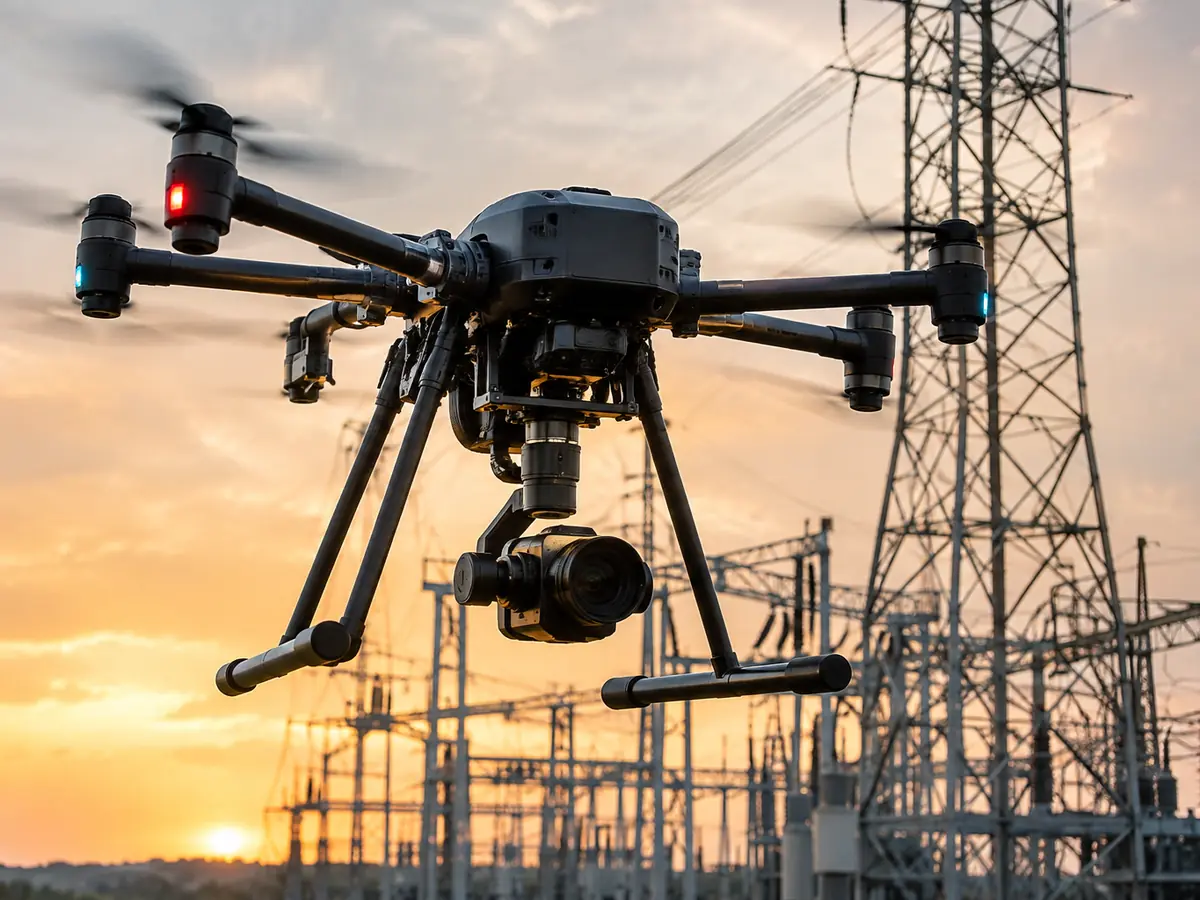

A midstream company or utility contractor asks you to inspect pipeline, towers or a substation. The work pays well. Then the master services agreement arrives, and the insurance section is longer than the scope of work.
Energy and infrastructure clients tend to ask more of your policy than a real estate or wedding client would. Here is what operators usually run into, and what to check before you quote the job.
Why these clients look at insurance differently
These sites involve operating equipment, public roads and assets that belong to someone else. A mistake can mean damaged property or an interrupted service, not a scuffed roof. That is why clients often ask for higher liability limits and proof of coverage before you are allowed on site. Requirements vary a lot by client, so ask for the insurance exhibit of the contract first and read it before you price the work.
What the contract usually asks for
Most agreements name a liability limit per occurrence and ask for a certificate of insurance. Many also want the client listed as an additional insured, and some ask for a waiver of subrogation or primary and noncontributory wording. These are separate items, so ask your provider for each by name. If the paperwork is new to you, our guide to certificates of insurance for drone work explains how they work.
Where operators get caught
The first gap is the policy itself. A policy bought for photography may not be written with inspection work in mind. Read the exclusions and the description of operations, and ask in writing whether your planned work fits.
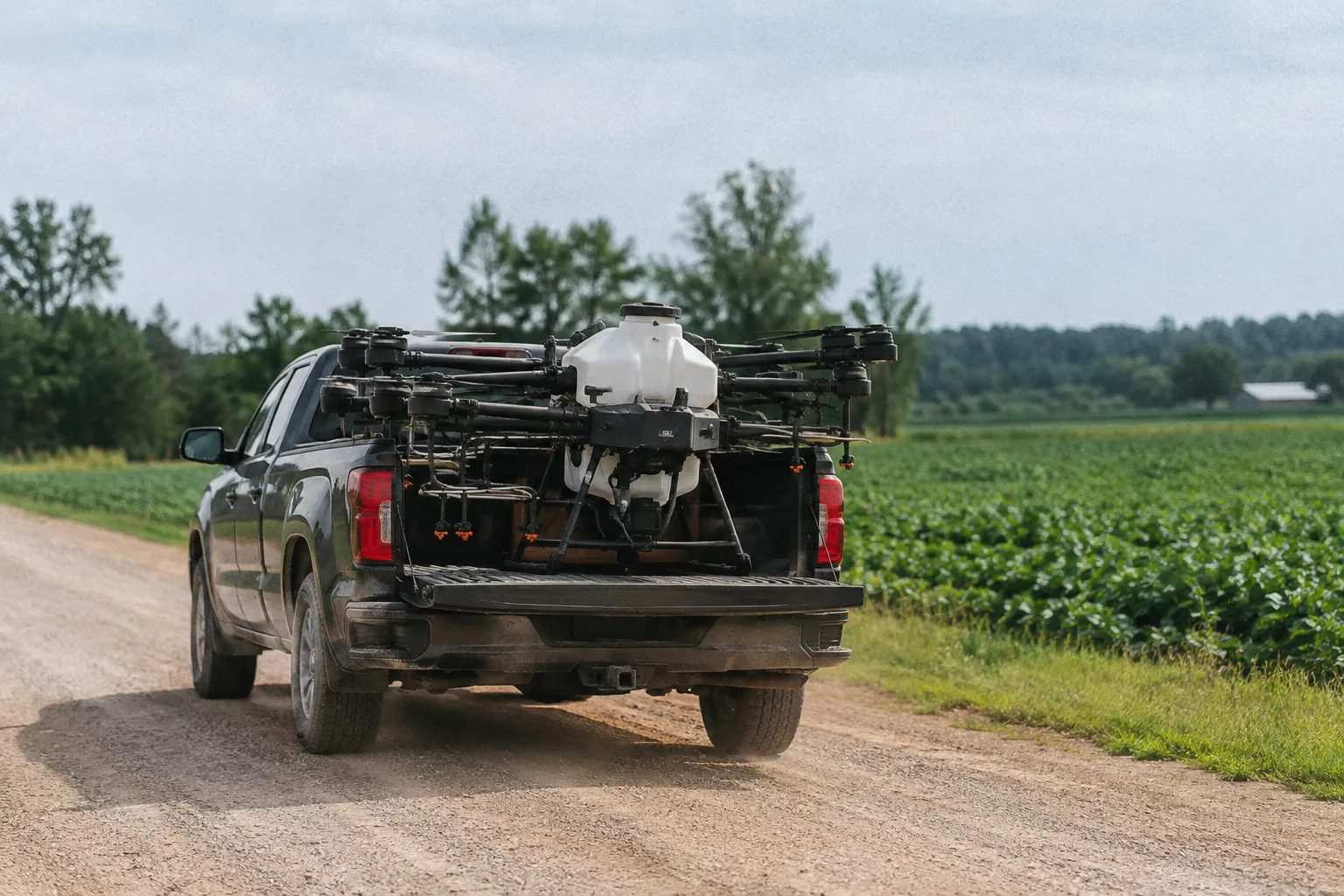
The second gap is the payload. Thermal cameras, LiDAR and gas sensors can cost more than the aircraft carrying them. Hull and payload are often treated separately, so confirm what is covered and for how much. We cover this in more detail in our post on drone payload coverage.
The third gap is exclusions tied to the type of site. Some liability policies limit coverage for certain hazards, such as pollution. Ask your insurer directly how any exclusion would apply when you fly near energy facilities, and get the answer in writing.
Questions to settle before you accept the job
Does the liability limit in the contract match your policy? Can your provider issue the certificate and additional insured wording the client wants, and how quickly? Does the policy description fit inspection work? Is the sensor package covered? Is the aircraft covered while in transit between sites? You can compare options for commercial drone insurance on our site.
FAQ
Do oil and gas clients require drone insurance?
Many do, but it is set by the client, not by one universal rule. The requirement is usually written into the contract, so read it before you bid.
What is an additional insured on a drone policy?
It extends part of your liability coverage to another party, such as the client, for claims arising from your work. Terms depend on the policy and the endorsement.
Is my thermal camera covered by hull insurance?
Not necessarily. Hull and payload are often handled separately, so check your policy and ask your provider to confirm in writing.
Can I use a photography policy for inspection work?
It depends on how the policy describes covered operations. Ask your insurer whether inspection work near client facilities fits before you fly.
What is a waiver of subrogation?
It means your insurer agrees not to pursue the named party to recover what it paid on a claim. Clients sometimes request it in the contract.
Get a quote at skywatch.ai