Your policy renewal notice shows up, the premium looks close to last year's, and it's tempting to click through. Don't. A lot changes on a farm operation in twelve months, and your coverage needs to keep up. This agriculture drone insurance renewal checklist walks through what to look at before you sign, so a claim next season doesn't turn into an argument about what you actually had.
I'll keep it practical. Most of what follows takes about an hour if you have your flight logs handy.
The Five Things That Should Change on Your Policy Every Year
If none of these changed since last renewal, that's a flag in itself. Operations grow, equipment ages, and contracts get stricter.
First, your fleet. Did you add a spray drone, retire an older airframe, or swap out a mapping unit? Every aircraft on the schedule should match what's in your hangar or truck bed today. We see operators carry a drone they sold two years ago while the new, much more expensive one sits uninsured. Check serial numbers, not just model names.
Second, hull values. Spray drones lose value on a different curve than consumer quadcopters, and replacement costs have moved around. If you insure for what you paid in 2022, you may be short on a total loss. If the aircraft is heavily depreciated, you may be overpaying. Set the number to what it would cost to replace the unit now.
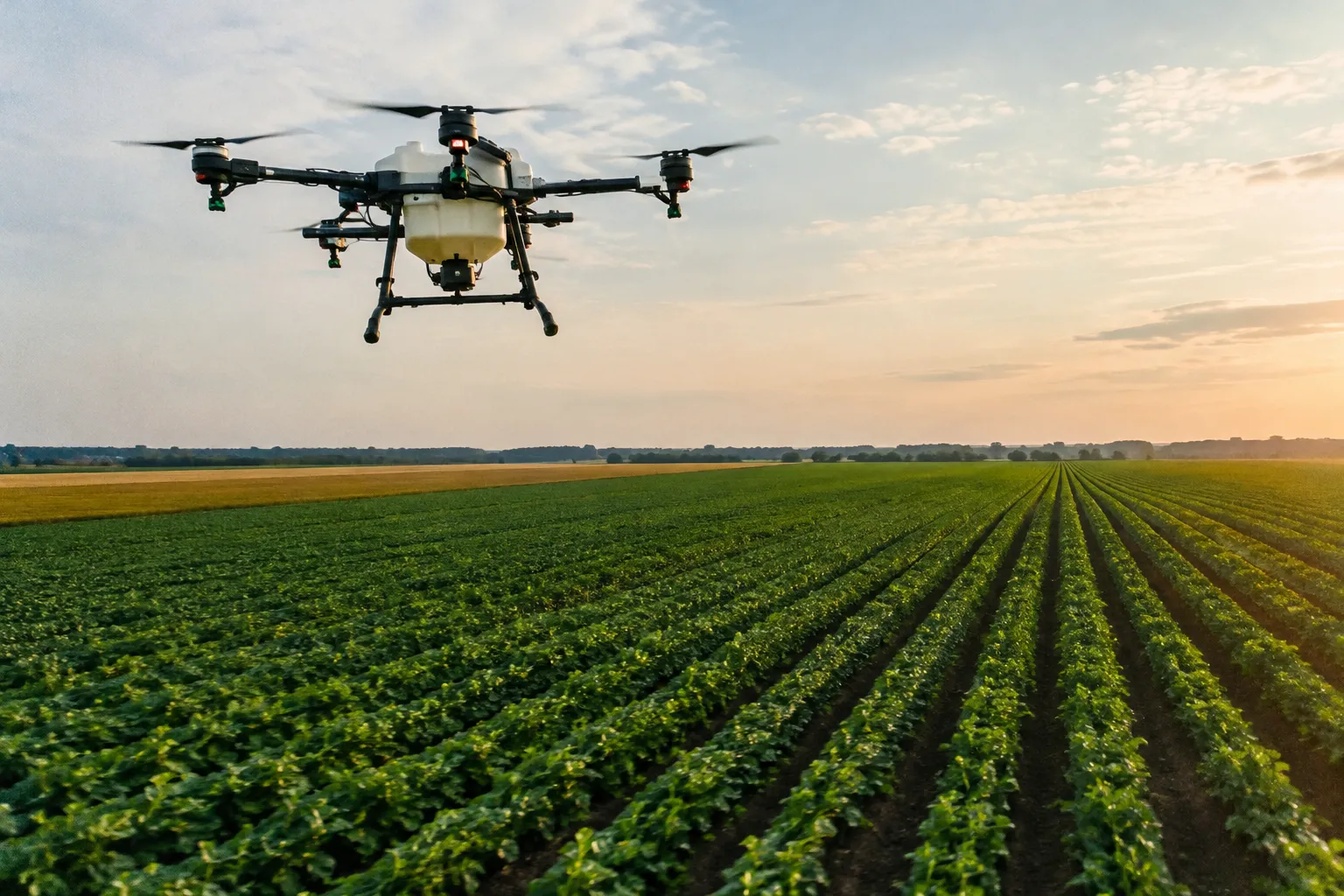
Third, acreage and operation type. Maybe you were scouting and mapping last year and now you're applying crop protection products for neighbors. That is a different risk, and underwriters price and write it differently. Tell your carrier about new services, new counties, and any jump in flight hours. Hiding growth to hold the premium down is the fastest way to create a coverage dispute.
Fourth, liability limits. Look at the contracts you signed this year. Many landowners, co-ops, and ag retailers now ask for specific limits and an additional insured endorsement. If a customer wants $2 million and you carry $1 million, you've either lost the job or you're about to. Your renewal is the cheapest moment to fix that.
Fifth, pilots and credentials. Confirm every operator is listed, that Part 107 certificates and any Part 137 or state applicator licenses are current, and that your exemptions or waivers haven't lapsed. A policy can hinge on whether the person at the controls was properly certified.
Reviewing Ag Drone Coverage Annually Beats Reacting After a Loss
Reviewing ag drone coverage annually sounds like paperwork, but it's really a conversation about what you'd do on your worst day. A drone clips a power line. Drift reaches a neighbor's soybeans. A battery fire takes out a trailer. Ask whether each of those lands inside your policy, and read the exclusions as carefully as the coverage grants.
Pay special attention to chemical drift and pollution language. Plenty of general policies exclude it outright. Coverage for sprayed products often needs specific wording, and you want to see it on paper. Also confirm whether payload, batteries, and ground control equipment are covered, and whether your deductible is a flat number or a percentage.
Using an Ag Drone Policy Renewal Checklist With Your Broker
An ag drone policy renewal checklist works best when you bring it to the call, not after. Send your updated fleet list, flight hours, acreage estimates, and customer contract requirements two to three weeks before the renewal date. That gives the carrier time to quote properly and gives you time to shop around if the number surprises you.
When you're updating drone insurance agriculture operators rely on, ask whether your carrier actually understands spraying. We've issued more than 300,000 commercial drone insurance policies, and we work with underwriters who specialize in ag drone operations, which matters when your risks are drift, swath width, and low-altitude work rather than a real estate photo shoot. You can read more about agriculture drone insurance on our site, or look at our broader drone insurance options if you also fly for inspection or mapping work.
One more habit worth keeping. Save your renewal documents, flight logs, and maintenance records in one folder. If you ever file a claim, that folder will save you days. Our customers tell us about it, and we've earned nearly perfect 5-star customer support by making that process less painful.
Run through your agriculture drone insurance renewal checklist once a year, ideally a month before the policy ends, and you'll rarely get a nasty surprise.
Frequently Asked Questions
How much does ag drone insurance cost?
Premiums depend on aircraft value, operation type, acreage, and liability limits. Small operators doing mapping and scouting often pay a few hundred dollars a year for liability, while spray operations with hull coverage and higher limits cost more. Get quotes based on your actual flight activity.
When should I start my agriculture drone insurance renewal checklist?
Start 30 to 45 days before your policy expires. That window gives you time to update fleet details, compare quotes, and fix coverage gaps before your current policy lapses.
Does a standard drone policy cover chemical drift?
Not always. Many standard policies exclude pollution and chemical drift, so spray operators need coverage that explicitly addresses aerial application. Ask for the exclusion language in writing before you renew.
Do I need to update my policy if I add a new drone mid-term?
Yes. A new aircraft is usually not covered until it is added to your schedule. Contact your insurer before the first flight and confirm the effective date in writing.
Get a quote at skywatch.ai