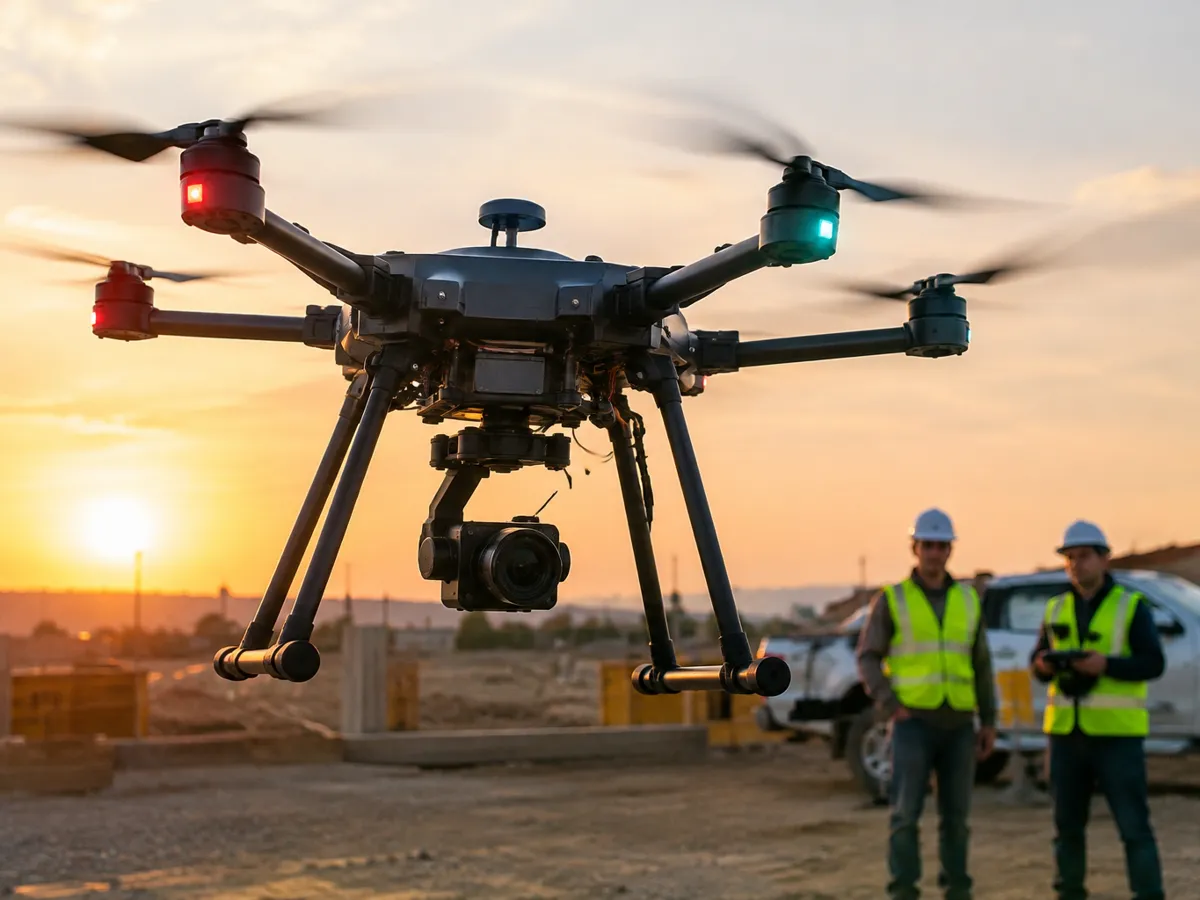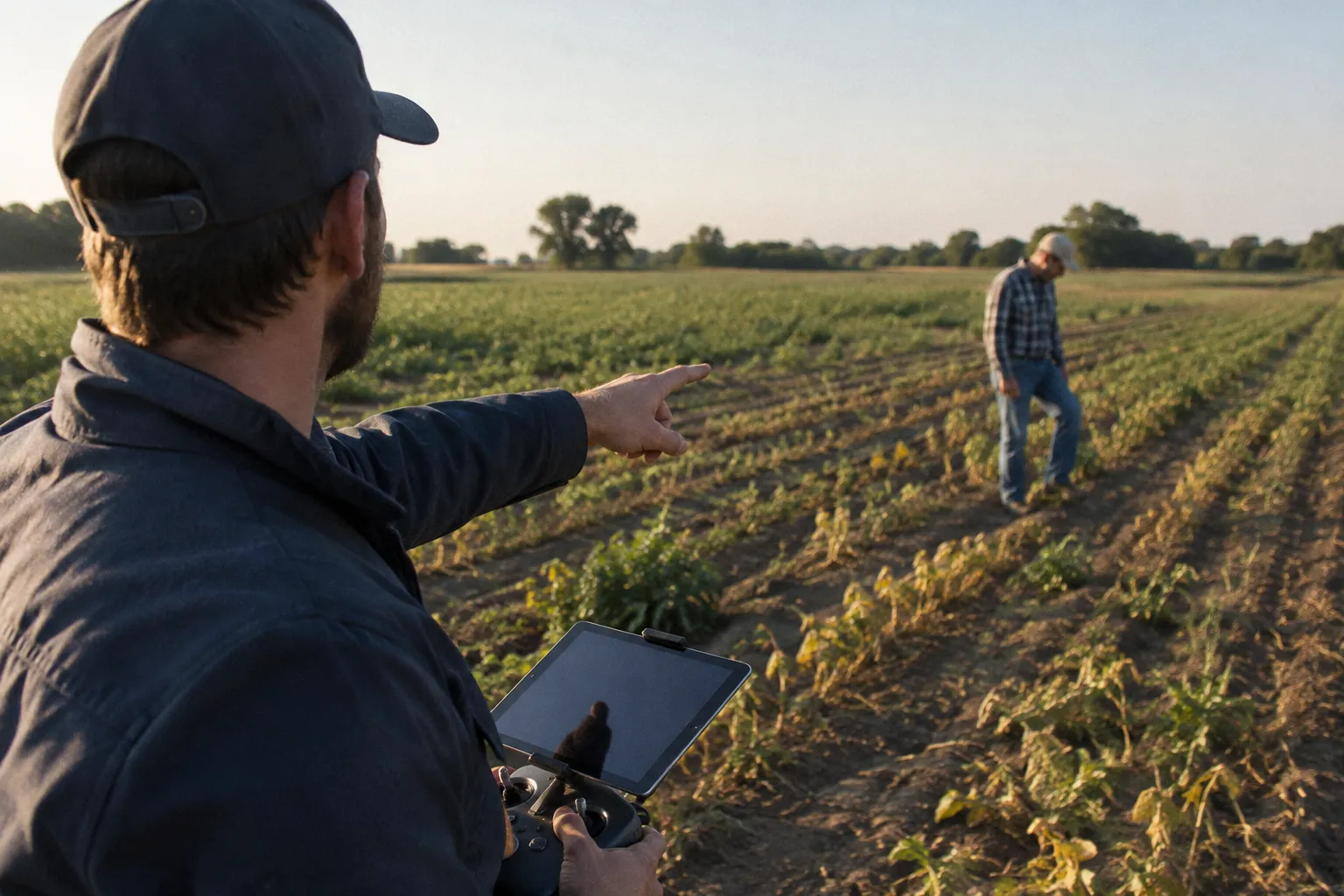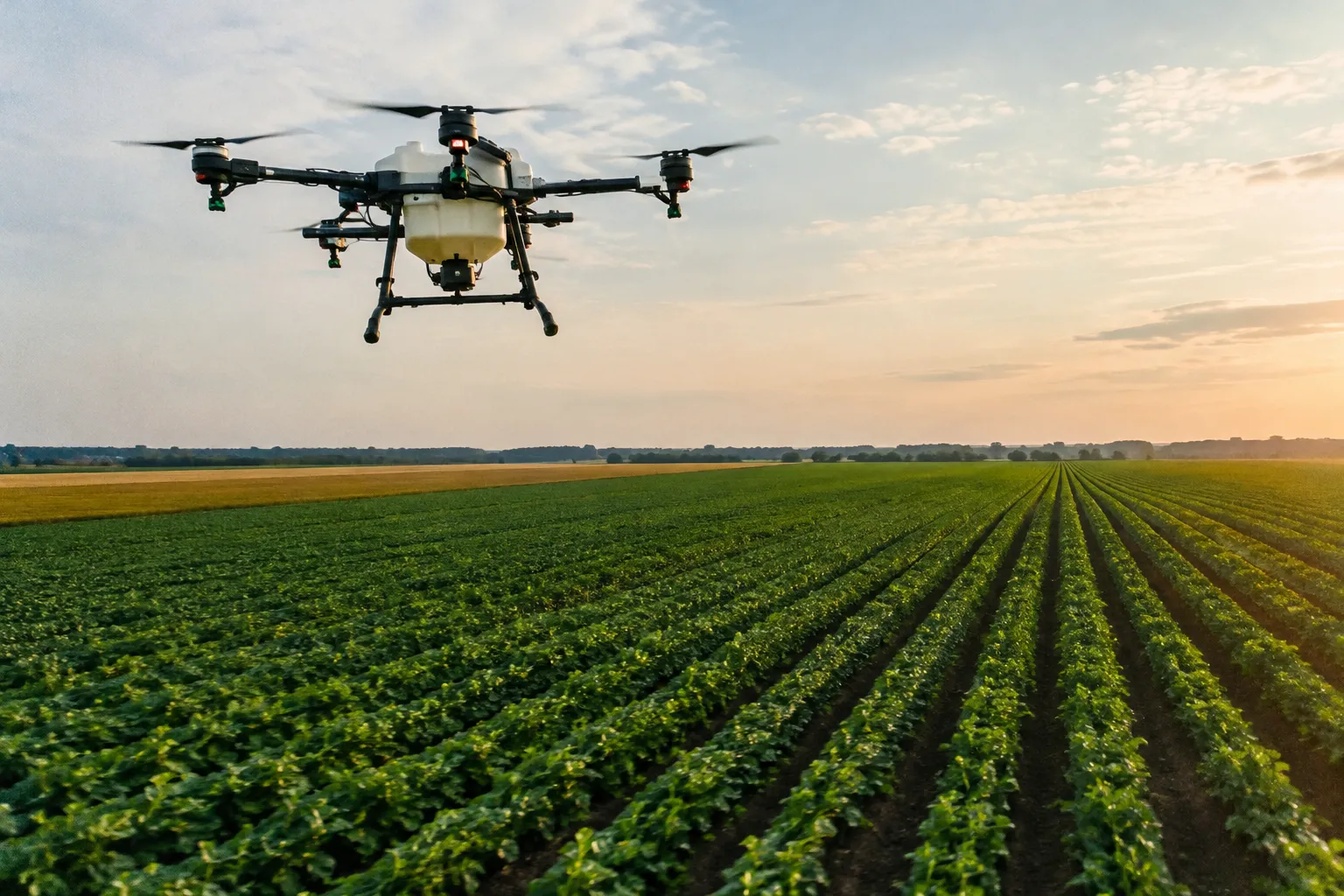

You did everything right. Wind was under the label limit, nozzles were calibrated, and the swath looked clean. Two days later, a neighbor calls about scorched soybeans along the fence line. Now what? This is where chemical drift liability agriculture drone insurance earns its keep, and where a lot of operators find out their policy has a hole in it.
Drift claims are some of the most expensive and most disputed losses in agricultural aviation. Drones are not exempt just because they fly low and carry smaller tanks. A few gallons of the wrong product on the wrong field can cost real money.
What Happens When Spray Drifts Onto a Neighboring Property
It usually starts with a phone call, then a state agriculture department complaint. An inspector takes samples and photographs the damage. Your flight logs, application records, and weather data get pulled into the conversation.
Meanwhile, the neighbor may hire an attorney. Damage claims can include lost yield, replanted acres, organic certification losses, livestock harm, and sometimes cleanup costs. Organic growers are especially exposed, since even trace residue can cost them their certification for years.
Whether you were negligent matters, but it is not the only thing. Many states apply strict liability to pesticide application. You can follow the label and still end up paying. That is why chemical drift liability agriculture drone insurance matters even for careful pilots.
Defense costs alone can run into five figures before anyone decides who was at fault. A good policy pays for the lawyer as well as the settlement.
Where Standard Policies Fall Short
Here is the part that trips people up. A basic general liability policy almost always carries a pollution exclusion. Pesticides count as pollutants under most of that language. So the claim you thought was covered gets denied, and you learn about it after the damage is done.
Operators often assume a policy for commercial drone insurance covers everything that happens in the air. It does not always. Aviation liability might cover a crash, but not a chemical release. You need coverage written for application work, and you should ask to see the exact wording.
Look for pesticide drift drone coverage that explicitly names chemical application as a covered operation. The word "drift" should appear in the policy. If it does not, ask why.
What Good Coverage Looks Like
Strong ag drone insurance typically addresses third-party property damage from spray, defense costs, and in many cases crop damage to neighboring fields. Some policies also respond to bodily injury claims if someone is exposed. Limits matter. A million dollars sounds like a lot until a few hundred acres of specialty crop are involved.
Spray drift liability insurance should also cover claims that surface long after the flight. Drift damage is not always obvious right away. Some herbicide injury shows up weeks later, so confirm how the policy treats claims reported after the policy period ends.
Then there is the question of off-target events that are not strictly drift. A valve sticks, a pilot misreads a boundary, or a flight controller glitch dumps product over the wrong block. Ag drone off-target application insurance is the language to look for here. It should respond whether the product traveled on the wind or fell directly where it should not have.
Why the Underwriter Matters
Not every insurer understands spraying. Some will quote you and then fight you on every claim because nobody in the building knows what an application record is. That is why we work with underwriters who specialize in ag drone operations. They know the equipment, the chemistry, and the paperwork that holds up a defense.
We've issued more than 300,000 commercial drone insurance policies, so we have seen how these claims play out and which policy terms cause trouble. Our customers also give us nearly perfect 5-star customer support ratings, which matters most when you are on the phone after a neighbor complaint.
Keep your own records tight too. Log wind speed, temperature, nozzle type, droplet size, product, and boundaries for every flight. Good records can turn a bad week into a short one.
Frequently Asked Questions
How much does chemical drift liability coverage for ag drones cost?
Premiums vary by acreage flown, products applied, pilot experience, and coverage limits. Small operators often pay a few thousand dollars a year, while larger custom applicators pay more. Getting a quote based on your actual operation is the only reliable way to see your number.
Does general liability insurance cover pesticide drift from a drone?
Usually not. Most general liability policies include a pollution exclusion that removes pesticide and herbicide claims. You need a policy that specifically covers chemical application operations.
Do I need drift coverage if I only spray my own land?
Yes, it is still worth having. Your own spraying can drift onto neighbors, roads, or water, and you can be held liable regardless of who owns the drone. Your farm policy may also exclude aerial application, so check it.
Are ag drone operators required to carry liability insurance?
Requirements depend on the state and on whether you hold a commercial applicator license. Some states require proof of financial responsibility for licensed applicators. Many landowners and cooperatives also require insurance before they hire you, even where the law does not.
Get a quote at skywatch.ai