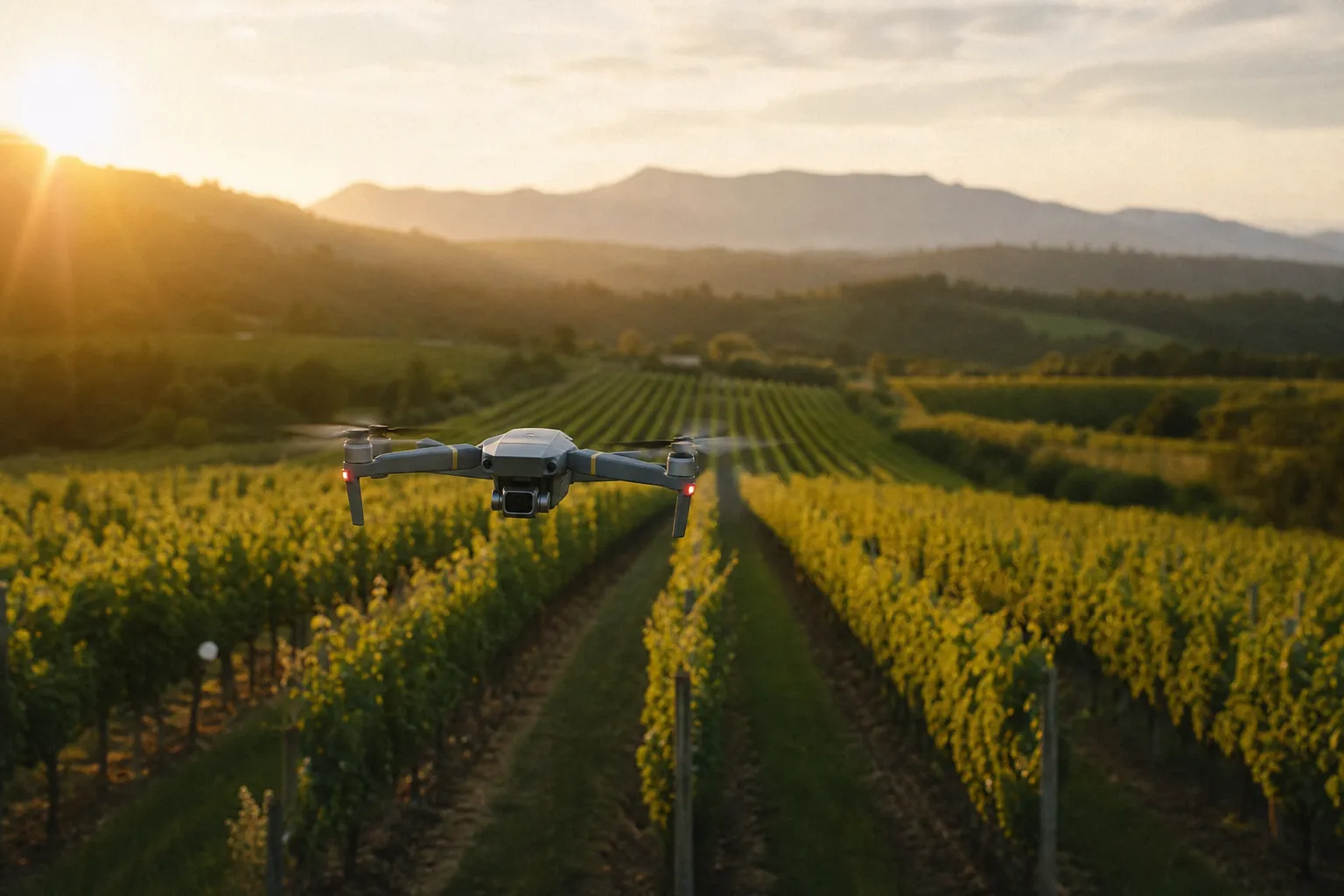
Flying commercially means more than holding a Part 107 certificate. Before you take on paid work, you need to understand what commercial drone insurance actually covers, when it is required, and how to choose the right policy for the way you operate. We put this guide together because we see the same questions come up again and again from operators who are ready to fly but unsure about their coverage.
What Coverage Do Commercial Operators Actually Need?
The foundation of any commercial UAV insurance policy is drone liability insurance. This covers third-party claims for property damage and bodily injury that result from your operations. If your drone hits a structure, injures a bystander, or causes damage to equipment on a job site, liability coverage is what protects you from paying out of pocket.
Hull coverage is the other key component. It covers physical damage to the drone itself, whether from a crash, a flyaway, or a hard landing. Many operators skip this, especially when starting out, but replacing a high-end commercial drone without coverage can cost thousands.
Some clients and venues will also ask for additional insured status or a waiver of subrogation on your policy. These are standard requests in commercial contracting, and your insurer should be able to accommodate them.
Part 107 and What It Means for Your Insurance
The FAA does not legally require Part 107 insurance for commercial drone operators. But the absence of a legal mandate does not mean you can skip it. Most commercial clients, property managers, and event organizers require proof of coverage before they will let you fly on their premises.
A certificate of insurance is the document that proves you are covered. It takes minutes to generate through SkyWatch and can be customized with a specific client listed as additional insured. Having it ready to send is often what closes a contract.
On-Demand vs. Annual: Which Policy Fits Your Business?
Drone insurance for business comes in two main formats. Annual policies give you continuous coverage at a fixed cost, which works well if you fly regularly throughout the year. On-demand policies let you activate coverage by the flight or by the day, which is ideal for operators who work on a project basis or are still building their client base.
The drone insurance cost difference matters here. An annual policy is usually more economical if you fly more than a few times per month. If you fly occasionally, pay-per-flight coverage keeps costs low without leaving you uninsured between jobs.
At SkyWatch, both formats are available with liability limits up to $1 million, instant certificates, and no long-term commitments required for on-demand coverage. You can quote, bind, and download proof of coverage in minutes, which matters when a client needs documentation before a shoot or inspection.
The Bottom Line
Commercial UAV insurance is not just a checkbox. It is the foundation of a professional drone business. Clients expect it, contracts often require it, and the cost of flying without it can far exceed the cost of a policy.
If you are evaluating your options, our commercial drone insurance page walks through coverage types and lets you get a quote in minutes. And if you are also thinking about broader aviation insurance needs, we cover that too.