Most commercial drone operators we talk to have their insurance sorted. Part 107 cert, liability coverage, maybe hull. But when we ask about payload coverage, the conversation gets quiet. That gap is more common than people realize, and it can be an expensive one to discover mid-claim.
Your Payload Is Probably Worth More Than Your Drone
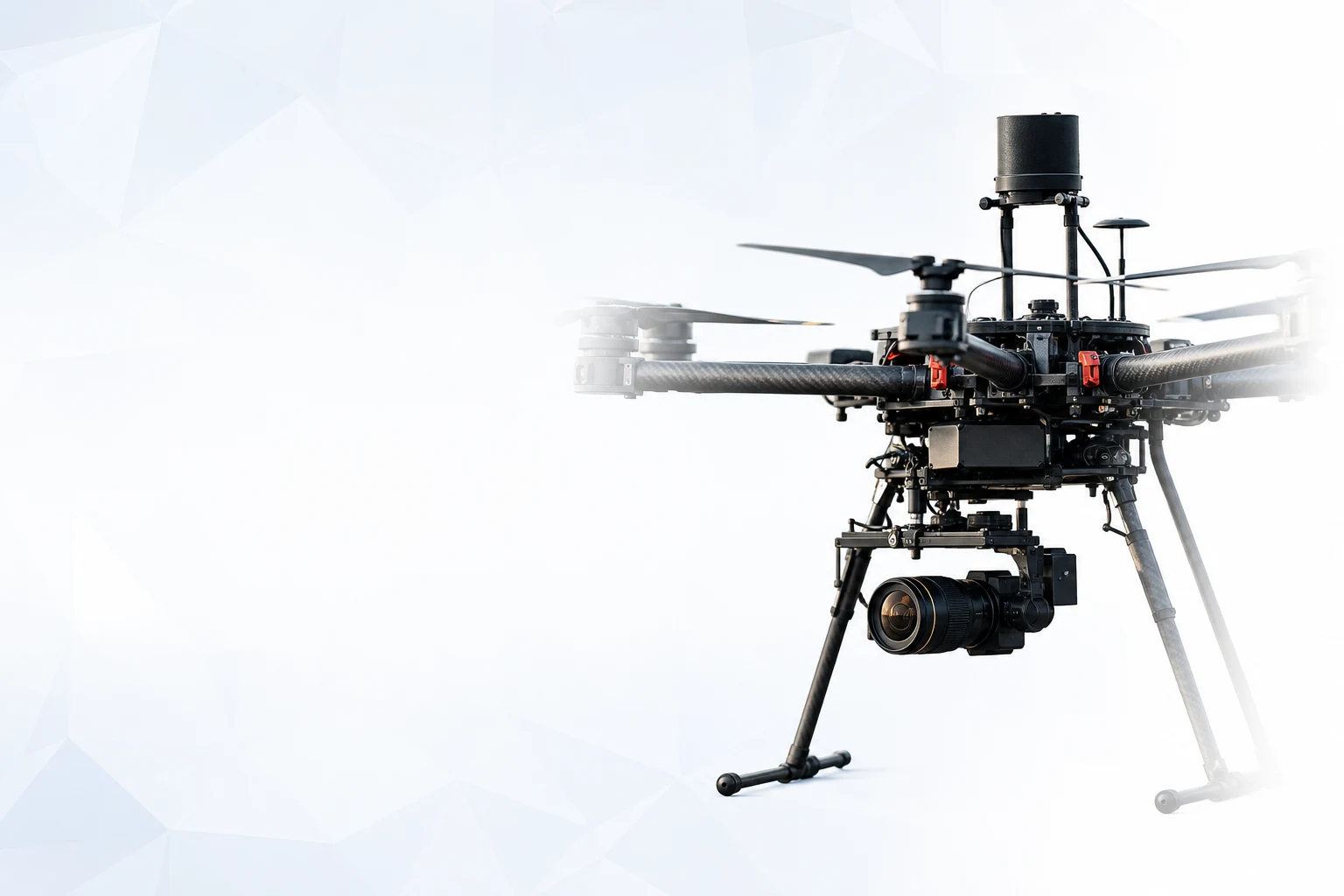
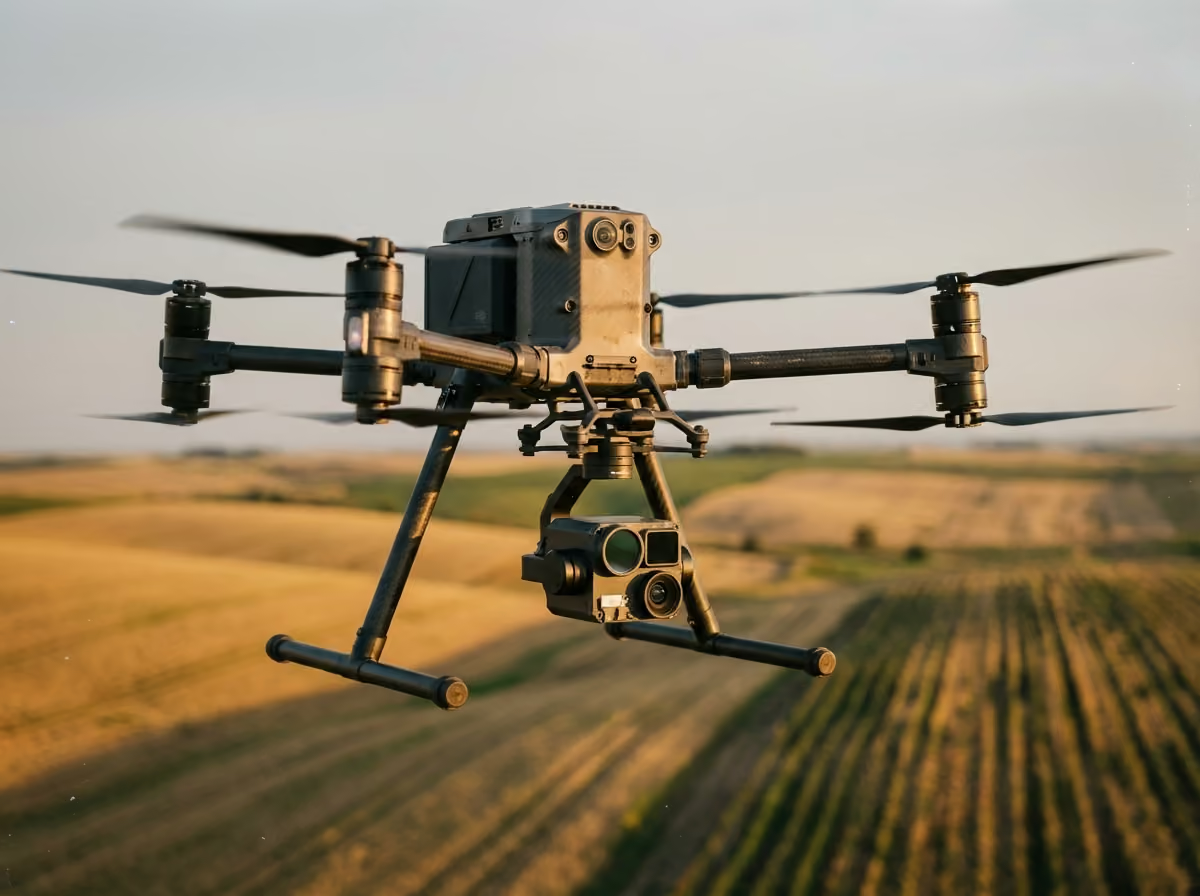
Think about what is actually attached to your drone when you fly a commercial job. A LiDAR unit for surveying can run anywhere from $20,000 to $80,000. A thermal camera for inspection work sits in the $5,000 to $15,000 range. Multispectral sensors for precision agriculture, cinema-grade gimbals, even high-resolution photogrammetry cameras all represent serious investments.
The drone frame is often the least expensive part of the system. Yet most standard policies are written around the aircraft, not the complete operational package you actually fly.
Hull Coverage Is Not the Same as Payload Coverage
Hull coverage protects the drone itself, meaning the frame, motors, electronics, and flight systems. Payload coverage is a separate category that addresses the equipment attached to it. These are different items in the eyes of your insurer, and they are underwritten differently.
When you file a claim after a crash, your hull coverage may pay out for the aircraft. But if your LiDAR sensor hit the ground with it and is not specifically listed in your policy, you may find yourself holding the bill for the most expensive piece of gear you own. That is not a hypothetical scenario. It happens regularly.
Three Questions to Ask Before You Fly
Before you take off on a commercial job, your drone insurance policy should give you a clear answer to these three things:
Does it cover the payload during flight? Not just liability for third-party damage but actual replacement or repair of the equipment attached to your aircraft if it is damaged in an incident.
Does it cover the payload in transit? Equipment gets dropped, cases get left in the wrong place, vehicles get broken into. If your sensor gets damaged on the way to the job site, you want to know where you stand.
Does it cover the payload in storage? Theft from vehicles, storage units, and offices is a real risk. Verify whether your policy extends to non-flight scenarios.
On-Demand Policies and Payload Coverage
On-demand policies, the kind that let you activate coverage per flight or per day, often require you to declare the full system value when you set up your policy. That means listing your payload separately and ensuring the declared value reflects what you are actually flying, not just the base aircraft.
Annual policies can offer broader coverage, but the same principle applies. Blanket hull coverage without an explicit payload endorsement may leave your most valuable equipment unprotected. Always ask your insurer directly: is my attached payload covered, and to what value?
Do Not Assume, Verify
Insurance documentation can be dense, and it is easy to assume that because you are covered, everything is covered. That assumption costs operators real money every year. Before you take on your next commercial job, open your policy and look specifically for language around attached equipment, payloads, or sensors.
If that language is not there, it is worth a conversation before you fly. With SkyWatch, you can get drone insurance that accounts for how you actually operate, including the full system you bring to each job. Get a quote and make sure your coverage matches your equipment.