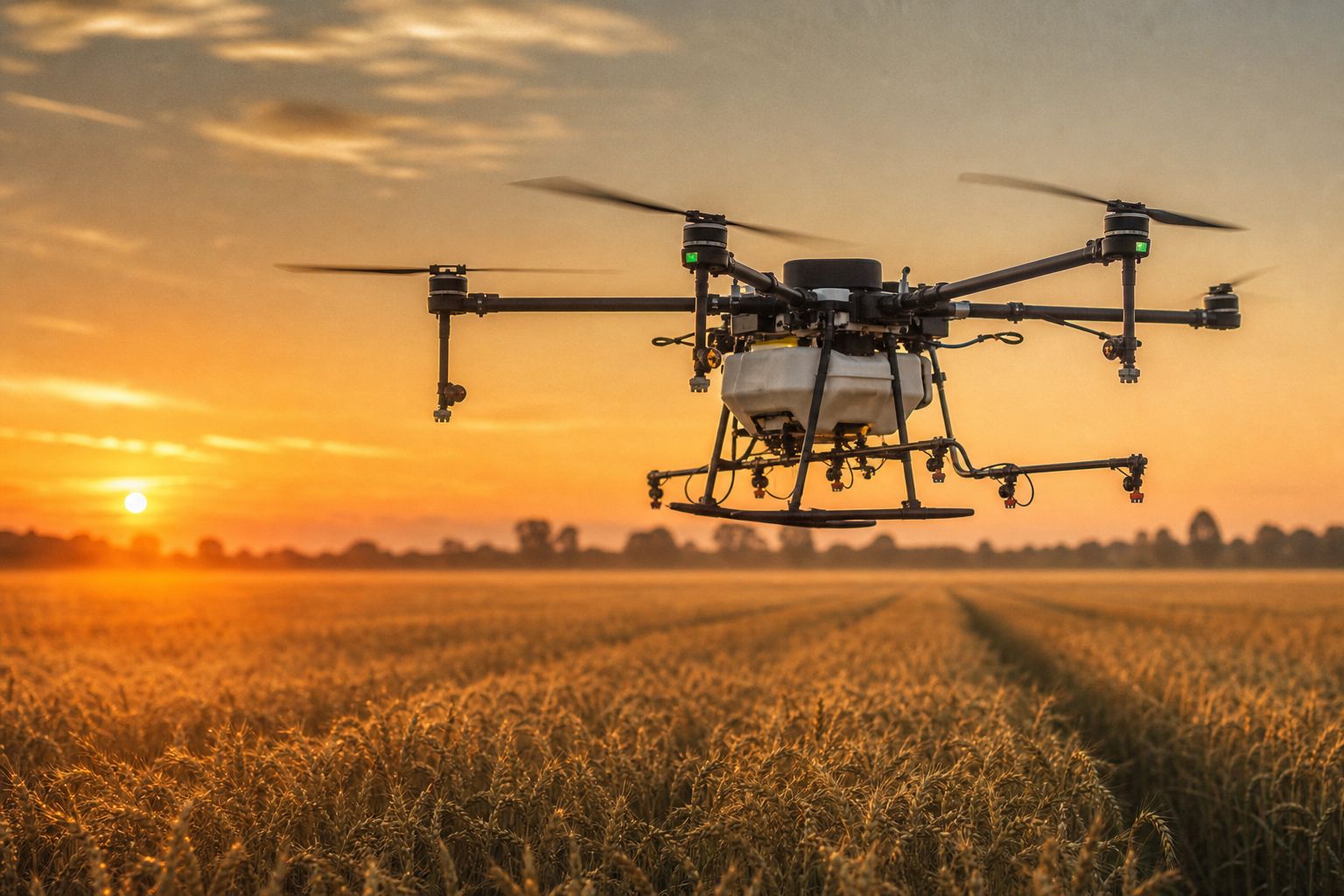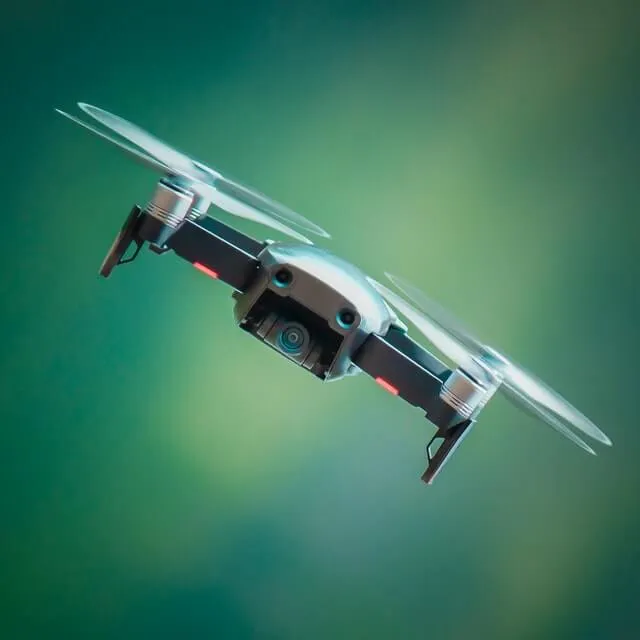
Agricultural drones have moved well past novelty. Operators are flying spray rigs over thousands of acres, applying pesticides, herbicides, and fertilizers with precision that ground equipment simply cannot match. But the moment you load a tank with chemicals and take off commercially, your insurance situation changes significantly. Standard drone policies were not written with chemical application in mind, and that gap can cost you. Drone spraying insurance for agriculture is a specific category of coverage, and understanding what it actually includes, and what it excludes, matters before your first spray mission.
Why Chemical Application Missions Require Specialized Policy Coverage
Most commercial drone insurance policies are designed around photography, inspection, or mapping work. The risk profile for those operations is straightforward: if the drone crashes, you cover the hull and any third-party property damage. Spray operations are a different situation entirely. You are carrying a chemical payload over crops, neighbors' property, water sources, and livestock. A drift event, a malfunction mid-flight, or a crash that releases the tank contents can trigger liability claims that go well beyond a broken fence.
That is why crop spraying drone insurance requirements often include pollution liability or chemical application riders that standard policies do not carry. If a pesticide drifts onto a neighboring farm and damages their crop, or contaminates a water supply, a basic liability policy may not respond to that claim. The exclusion language around pollutants is common in standard aviation policies, and it catches operators off guard. We work with underwriters who specialize in ag drone operations, so the policies we issue are built around the actual risks of spray work, not adapted from something designed for a cinematography drone.
Pesticide drone liability coverage should address a few specific scenarios. First, third-party bodily injury if someone is exposed to the chemical. Second, property damage from drift or a crash. Third, pollution liability for contamination events. Not every carrier offers all three in a single policy, which is why working with a provider that understands agriculture drone insurance is worth the extra effort up front.
Hull coverage for ag drone spray rig insurance also works differently than coverage for a mapping drone. Spray rigs are expensive. A commercial-grade agricultural drone with a full spray system can run anywhere from $15,000 to over $30,000. The hull value needs to reflect the full cost of the rig, including the spray system itself, not just the airframe. Some operators insure the airframe and forget that the spray rig is a separate component with its own replacement cost. Make sure your policy schedule lists the complete system.
There is also the question of application errors. If you apply the wrong chemical, apply at the wrong rate, or treat the wrong field, you could face a claim from the landowner for crop damage. Some policies include coverage for application errors and omissions. Others exclude it entirely. This is a coverage line worth asking about directly, because it reflects a real operational risk that happens even to experienced operators.
We've issued more than 300,000 commercial drone insurance policies, and spray operations consistently surface the same gaps. Operators assume their general liability covers chemical events. It usually does not. Or they assume their ag drone spray rig insurance covers the full replacement cost of the spray system. Often it is insured separately or not at all. The fix is not complicated, but it requires a policy that was actually designed for this type of work.
For operators flying under Part 137 (Agricultural Aircraft Operations), FAA regulations already require specific liability minimums. Your commercial drone insurance policy needs to meet those thresholds. Some states layer additional requirements on top of the federal baseline, particularly around pesticide applicator licensing and bonding. Knowing your regulatory environment before you get a quote helps you make sure coverage is structured correctly from the start.
Drone spraying insurance for agriculture also needs to account for your operational area. Flying over your own land is different from contracting to spray other people's crops. Commercial applicators take on liability that a private operator does not. If you are charging for spray services, your policy must reflect that commercial use explicitly. A policy issued for private agricultural use will not cover you when you are operating as a contract applicator.
Coverage limits matter too. A $1 million liability limit might be adequate for a photography operation. For spray work over high-value crops or near residential areas, that number deserves a harder look. With our nearly perfect 5-star customer support, we can help operators think through the right limits for their specific operation, not just hand over a generic policy and move on.
If you are serious about ag drone insurance that actually fits spray work, the details are worth getting right before you fly a single acre.
Frequently Asked Questions
How much does drone spraying insurance for agriculture typically cost?
Annual premiums for agricultural spray drone insurance generally range from $1,500 to $4,000 or more, depending on hull value, liability limits, spray payload capacity, and annual acreage flown. Operators carrying pollution liability and application error coverage will pay more than those with basic liability-only policies. The specific drone model, operator experience, and state of operation also affect pricing.
Does a standard commercial drone insurance policy cover chemical drift damage?
Most standard commercial drone policies exclude pollution-related claims, which typically includes pesticide or herbicide drift. To cover third-party property damage caused by chemical drift, operators need a policy with an explicit pollution liability endorsement or a specialty ag drone policy that includes chemical application coverage. Assuming drift damage is covered under a general liability policy is one of the most common and costly mistakes spray operators make.
What are the FAA insurance requirements for drone crop spraying operations?
The FAA regulates commercial spray drone operations under 14 CFR Part 137, which requires operators to hold an Agricultural Aircraft Operator certificate. Part 137 does not set a specific minimum liability insurance dollar amount, but many states impose their own minimum coverage requirements for pesticide applicators. Operators should verify both federal and state-level requirements before flying commercially.
Is the spray rig itself covered under ag drone spray rig insurance, or just the airframe?
Coverage depends entirely on how the policy is written. Some policies cover only the airframe and exclude attached equipment like spray tanks, booms, and pumps. Others cover the complete system as a unit. Operators should confirm that the insured value listed in their policy reflects the total replacement cost of the drone plus the full spray system, and request a policy amendment if the spray components are not explicitly included.
Ready to get coverage built for spray work? Get a quote at skywatch.ai.