Ag drone operations carry risks that most standard drone policies were never designed to cover. When you're flying over thousands of acres, carrying chemical payloads, or operating near irrigation infrastructure and livestock, the question isn't just whether you have insurance. It's whether you have enough of it. Getting agriculture drone insurance coverage limits right is one of the more consequential decisions you'll make as a commercial ag drone operator, and it's worth thinking through carefully before something goes wrong in the field.
Matching Your Coverage to the Real Risks of Crop Operations
Ag drone operations sit in a different risk category than inspections or aerial photography. The liability exposure is higher, the equipment is more expensive, and the downstream costs of a claim can multiply quickly. A drone applying herbicide that drifts onto a neighbor's specialty crop field, for example, isn't just a liability claim for a few thousand dollars. Depending on the acreage affected and the crop value, you could be looking at six figures. That's the kind of scenario where knowing your agriculture drone insurance coverage limits actually matters.
We've issued more than 300,000 commercial drone insurance policies across a wide range of industries, and agricultural operators consistently face some of the most complex coverage decisions of any segment we work with. The variables are simply different. Flight frequency, payload type, crop value, proximity to third-party property, and whether you're operating as a service provider or managing your own land all factor into what your limits should look like.
Most ag drone operators start by asking how much drone insurance do I need for farming, and the honest answer is: more than the minimums in most cases. The FAA doesn't mandate a specific liability amount for Part 107 operators, but many landowners and agricultural cooperatives require proof of coverage before you set foot on their property. Those requirements often start at $1 million in liability, and some commercial clients ask for $2 million or more. If you're working across multiple client farms in a season, a single incident could affect your ability to keep operating entirely if your limits aren't sufficient.
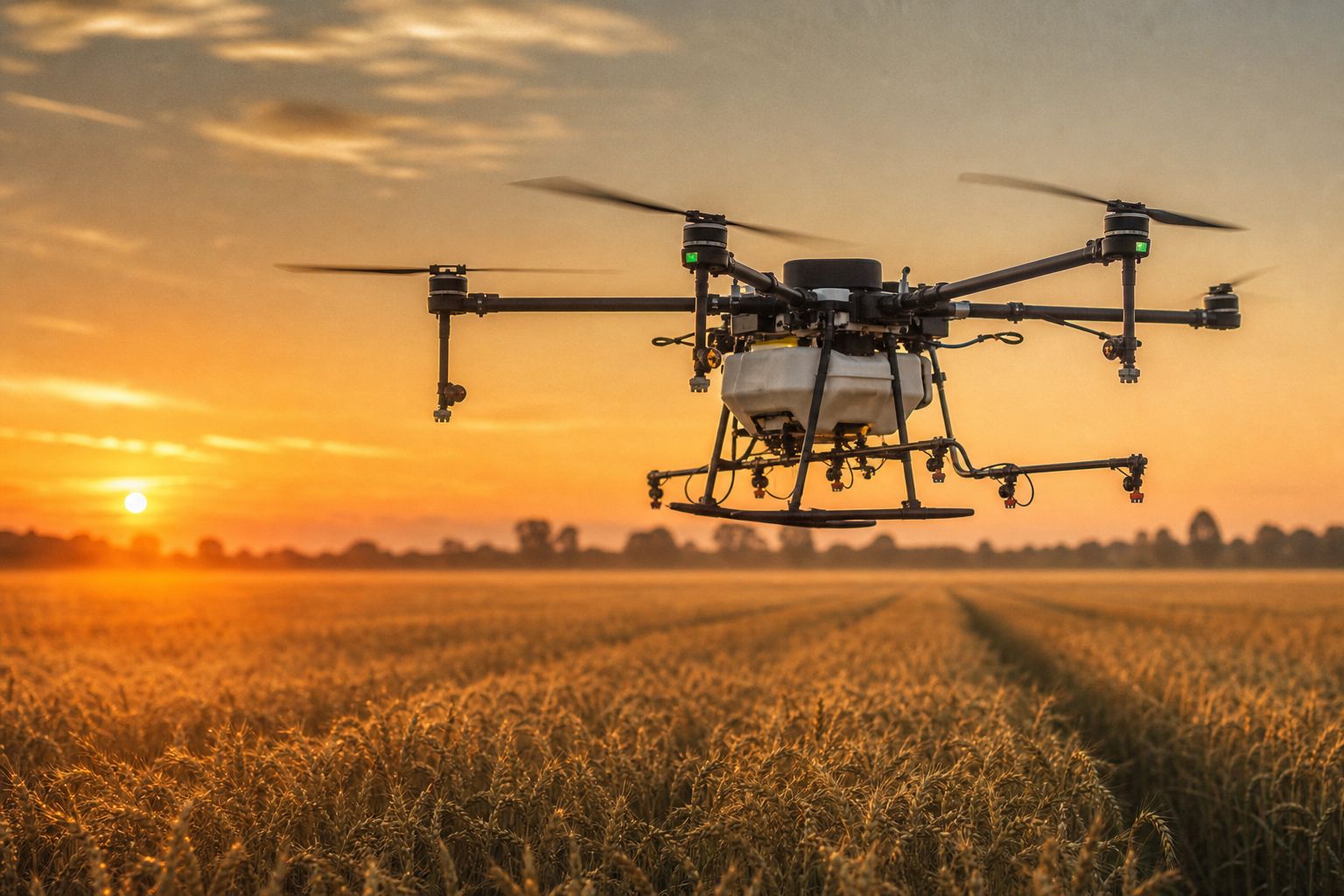
Hull coverage deserves just as much attention as liability. Ag drones are expensive. Spray systems with tanks, pumps, and precision application hardware can put the total value of a single aircraft well above $20,000. If you're running a multi-drone operation, your total equipment exposure compounds fast. Make sure your ag drone liability coverage accounts for the real replacement cost of your aircraft, not a depreciated value that leaves you short when you need to get back in the air after a loss.
We work with underwriters who specialize in ag drone operations, which means we can actually match coverage terms to what's happening in the field, not just apply a generic commercial drone policy to an ag use case. That distinction matters when you're carrying chemical payloads or flying in areas where crop damage claims are a real possibility. A generic commercial drone insurance policy may exclude chemical drift or payload-related incidents entirely. Knowing what your policy actually covers, and where the gaps are, is worth reviewing before every season.
One area where operators often underestimate their exposure is non-owned property damage. If a mechanical failure causes your drone to crash into a grain bin, an irrigation pivot, or a piece of farm equipment, the repair or replacement costs can exceed what many operators carry. Think about the highest-value assets on or near the fields where you're operating, and make sure your commercial drone insurance policy limits reflect that reality.
Agriculture drone insurance coverage limits should scale with your operation. A solo operator flying 500 acres a season has different needs than a service provider covering 50,000 acres across multiple counties. Review your limits annually. As your fleet grows, your contract values increase, or you add new payload capabilities, your coverage should keep pace. Carrying the same limits you started with three years ago may mean you're significantly underinsured today.
Our team maintains nearly perfect 5-star customer support ratings, and a big part of that is helping operators understand what they're actually buying. If you're not sure whether your current agriculture drone insurance coverage limits are adequate for the work you're doing, that's exactly the kind of conversation worth having before renewal.
Frequently Asked Questions
What is the minimum liability coverage I need for ag drone operations?
There is no FAA-mandated minimum liability amount for Part 107 commercial drone operators, but most agricultural clients and landowners require at least $1 million in liability coverage. Some commercial contracts specify $2 million or higher. Operators should confirm requirements with each client before the season begins.
Does standard commercial drone insurance cover chemical drift from spray drones?
Not always. Many standard commercial drone insurance policies exclude incidents involving chemical payloads, including herbicide or pesticide drift that damages neighboring crops. Ag-specific policies written through underwriters who specialize in agricultural drone operations are more likely to include this type of coverage. Always review your policy exclusions carefully.
How are agriculture drone insurance coverage limits different from regular drone insurance?
Agriculture drone insurance coverage limits are typically set higher to account for payload-related risks, crop damage liability, and the higher replacement cost of spray drone systems. Standard drone policies are often designed for photography or inspection use cases and may not account for the liability exposure created by chemical applications or operations over high-value crops.
How much does ag drone insurance cost for a single-aircraft operation?
Costs vary based on aircraft value, coverage limits, flight hours, and payload type, but ag drone operators commonly pay anywhere from a few hundred to over a thousand dollars per year for a single-aircraft policy. Getting a quote based on your specific operation is the most accurate way to understand your cost. You can get a quote at skywatch.ai in minutes.
Get a quote at skywatch.ai.