
So You Want to Own a Light Aircraft
Buying your first light aircraft is one of the most rewarding decisions a pilot can make. It also comes with a steep learning curve that goes well beyond flying. From choosing the right airframe to understanding what aircraft insurance actually covers, there is a lot to sort out before you sign anything.
This guide walks through the practical side of aircraft ownership: what to look for, what to avoid, and how to protect yourself once you own something that flies.
Choosing the right aircraft for your needs
The most common mistake first-time buyers make is buying more aircraft than they actually need. A high-performance retractable might look impressive, but if you are flying for $100 hamburger runs on weekends, a basic fixed-gear four-seat trainer will serve you better and cost far less to operate and insure.
Start with these questions before you commit to anything:
- How many hours are you flying per year, realistically?
- Are you flying solo most of the time, or with passengers?
- Are you staying local or flying cross-country?
- Do you have an instrument rating, or are you VFR only?
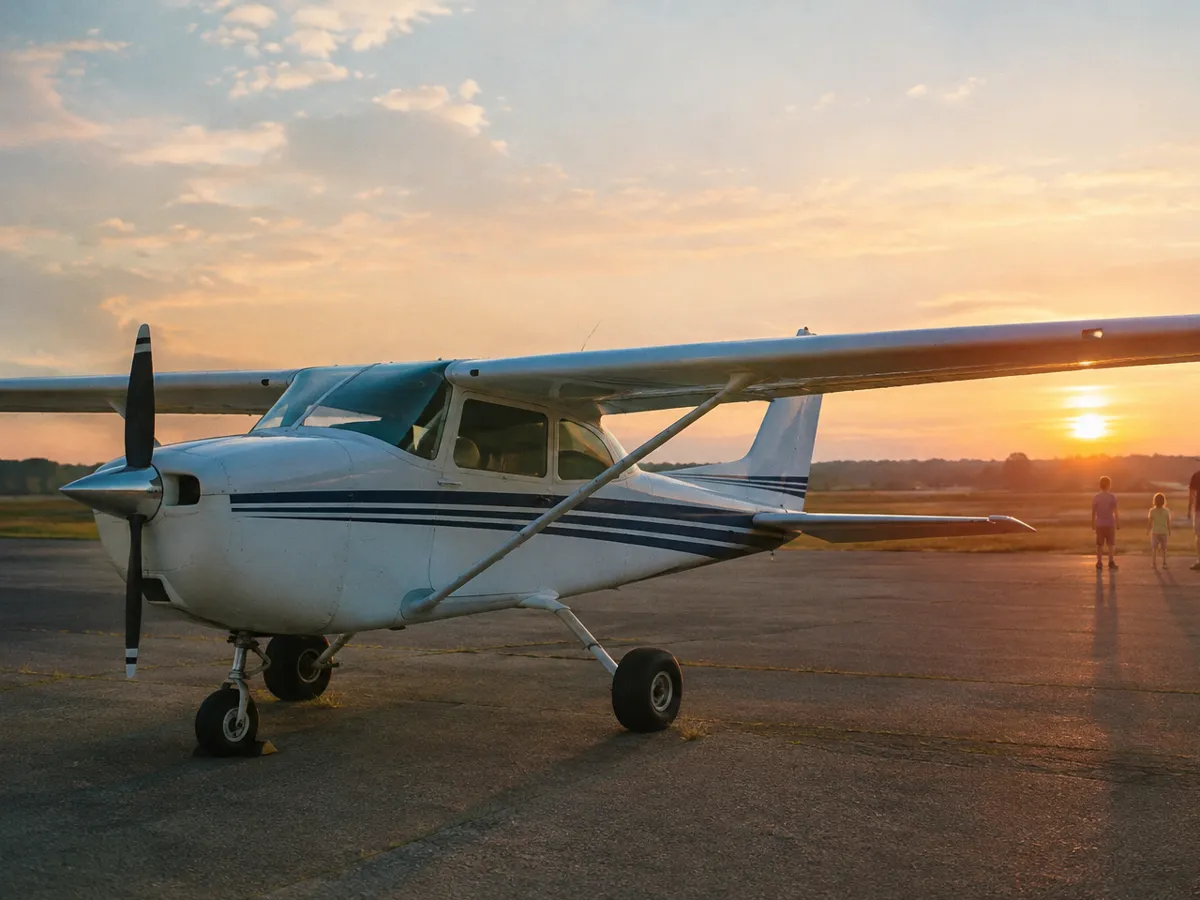
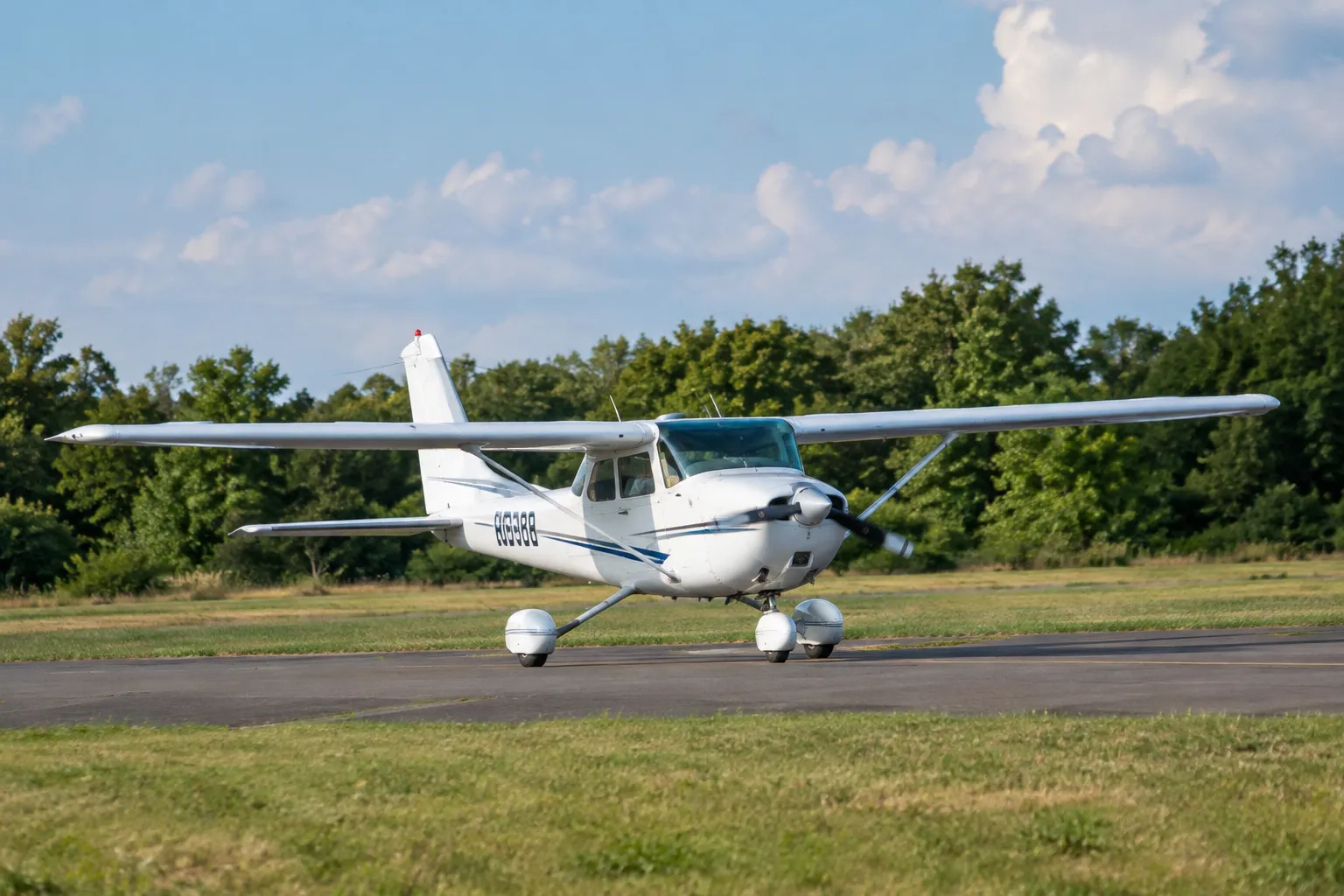
Your answers will narrow the field fast. Most first-time owners end up in a single-engine aircraft like a Cessna 172, Piper Cherokee, or Cirrus SR20. These planes are proven, parts are available, and insurance rates are reasonable.
What to look for when buying a used light aircraft
Almost every first purchase is a used aircraft. Here is what matters most during your search:
Airframe total time and condition
Airframe hours matter less than you think. A well-maintained 5,000-hour airframe is far better than a low-time airplane that has been sitting outside for ten years. Look at the maintenance logs carefully. Gaps in service history are a red flag.
Engine time since overhaul (SMOH)
An engine near its TBO (time between overhaul) is not necessarily a problem, but it needs to be priced into the deal. A mid-time engine in a well-maintained aircraft is often a better value than a fresh overhaul in a neglected one.
Avionics
Older avionics are not a dealbreaker, but upgrading a panel adds up quickly. If the aircraft has a glass cockpit or ADS-B out already installed, that has real value. If it is running 1970s steam gauges, factor the cost of modernization into your offer.
Pre-purchase inspection
Never skip this. Hire an independent A&P mechanic, not one who works for the seller. A thorough pre-purchase inspection typically runs $500 to $1,500 and can save you from a very expensive mistake.
Understanding aircraft insurance as a first-time owner
This is where a lot of new owners get caught off guard. Aircraft insurance is not optional, and the cost varies significantly based on your experience, the aircraft type, and how you intend to fly it.
Owned aircraft insurance generally includes two main components: hull coverage (physical damage to the aircraft) and liability coverage (injury or property damage to others). Both matter. Do not make the mistake of insuring only for liability to save money on premiums.
What affects your premium as a first-time owner
- Total flight hours: Most insurers want to see at least 200 hours for solo coverage on anything above a basic trainer. The more hours you have in type, the better your rate.
- Aircraft value: A higher-value aircraft costs more to insure, but hull coverage is worth having if you are financing the purchase.
- Pilot certificate and ratings: An instrument rating will lower your premium. A complex or high-performance endorsement is required before you can insure certain aircraft categories.
- Training: Many insurers require or incentivize transition training in type, especially for first-time owners of high-performance or complex aircraft.
If you are still building hours and not yet ready to own, aircraft renters insurance is a smart bridge. It covers you when flying club or FBO aircraft while you work toward ownership.
Financing a light aircraft purchase
Most first-time buyers use a combination of cash and financing. A few things to know before you approach a lender:
- Aviation-specific lenders: General banks often will not finance aircraft on favorable terms. Look at aviation-specific lenders like AOPA Finance, Dorr Aviation Credit, or Vertical Aviation Finance.
- Aircraft title search: Unlike cars, aircraft titles are held through the FAA registry. You need a title search to confirm the aircraft is free of liens.
- Down payment: Expect to put 15 to 20 percent down. Lenders view aircraft as depreciating assets with a specialized market.
- Total cost of ownership: Loan payment is only part of it. Budget for hangar or tie-down fees, annual inspection, insurance, avgas, and maintenance.
Budgeting for ownership: what first-time owners actually spend
A basic used Cessna 172 in good condition runs $80,000 to $150,000 depending on the year and avionics. A Piper Cherokee is typically $50,000 to $100,000. A Cirrus SR20 starts around $200,000 for older models.
Annual fixed costs for a typical single-engine piston aircraft:
- Hangar: $2,400 to $6,000 per year depending on location
- Annual inspection: $1,200 to $3,000
- Insurance: $1,500 to $4,500 for most first-time owners
- Avionics subscriptions and databases: $200 to $500
- Maintenance reserve: $2,000 to $5,000
Fuel runs $50 to $100 per flight hour for avgas in most markets.
What Reddit and pilot forums say about first-time ownership
Pilots talk candidly on forums in a way that dealer material never will. A few themes worth knowing:
Buy the best-maintained aircraft you can afford, not the cheapest one. A $60,000 airplane with $20,000 in deferred maintenance is not a $60,000 airplane.
The pre-buy inspection saved me. Nearly every experienced owner has a story about a pre-buy that caught something the seller did not know about. Do not skip it, and do not let the seller choose the mechanic.
Join a flying club first if you are not sure. Flying clubs let you build hours in a type you are considering before committing to a purchase.
Insurance was more than expected. First-time owners with low hours are often surprised by how much the premium reflects their experience level. Building hours in similar aircraft before the purchase will pay off at renewal.
Tips based on your flying experience level
Under 200 hours
Stick to simple, docile aircraft: a Cessna 152, 172, or Piper Cherokee. Insurance will be more expensive, and some carriers will require dual instruction before solo coverage kicks in. Use this period to build hours in type.
200 to 500 hours
Complex or high-performance endorsements open the door to faster, more capable aircraft. Insurance rates improve noticeably in this range, especially if you have logged hours in the specific type you are buying.
500 hours and above
Your insurance options expand significantly. Retractable gear, turbocharged, and light twins become realistic. Work with an aviation insurance broker who can shop multiple carriers and find coverage that fits your flight profile.
Frequently asked questions
How many flight hours do I need to buy an aircraft?
There is no legal minimum, but most insurers want to see at least 200 total flight hours before they will write a policy for a solo private owner on anything beyond a basic trainer. Some carriers will work with fewer hours, but expect higher premiums and possibly required dual instruction.
Do I need insurance before I fly my new aircraft?
Yes. If the aircraft is financed, the lender will require it. Even if you are paying cash, flying without hull and liability coverage on an aircraft you own is a significant financial risk. Get the policy in place before the purchase is complete.
What does aircraft insurance actually cover?
A standard aircraft owner policy includes hull coverage (physical damage to the aircraft) and liability coverage (bodily injury or property damage to third parties). Medical payments, passenger liability, and in-flight versus ground coverage terms all differ between carriers.
Can I insure an aircraft if I am not yet instrument rated?
Yes. Many first-time owners are VFR-only. Your premium will likely be higher, and your policy may restrict night or IMC operations. Adding an instrument rating later typically results in a meaningful rate reduction at renewal.
What is the best light aircraft for a first-time owner?
The Cessna 172 is the most common answer: it is forgiving, widely maintained, parts are everywhere, and insurance rates are reasonable. The Piper Cherokee is a close second. For pilots who want modern safety technology, a used Cirrus SR20 with a parachute is worth considering.
How do I find an aircraft insurance quote?
Work with an aviation-specific insurer rather than a general insurance agent. SkyWatch specializes in owned aircraft insurance and can provide a quote based on your specific aircraft and pilot profile.
Ready to protect your aircraft? Get a quote in minutes.
Get a Quote