
A lot of aircraft owners fly their plane to client meetings, business trips, and work-related travel. It is a legitimate perk of ownership and, for many pilots, one of the original reasons they bought the plane. But there is a question that does not come up enough: does your insurance policy actually cover that?
The short answer is that it depends entirely on what your policy says about the intended use of your aircraft. And the gap between what most owners assume and what their policy actually covers can be significant.
The use clause is where it starts
Every aircraft insurance policy includes a use clause. This section defines the approved purposes for flying your aircraft. Common categories include pleasure and business use, industrial aid, and commercial operations. Most personal aircraft policies are written as "pleasure and business" by default, which generally covers flying yourself to meetings, client sites, or work destinations.
That part tends to be fine. The problems start when you introduce other passengers connected to your business.
Flying employees or clients changes the picture
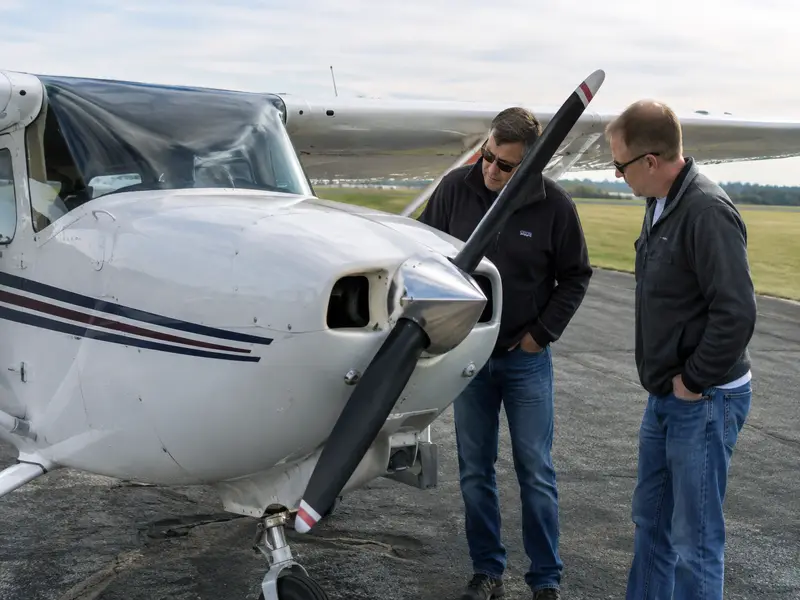
Here is where aircraft owners run into real trouble. If you fly a colleague, an employee, or a client in your aircraft as part of your business operations, you may be operating outside the bounds of Part 91 regulations and, depending on how your policy reads, outside your coverage.
Under FAA rules, flying passengers as part of a business operation for compensation or hire requires Part 135 certification in most cases. Even if no money changes hands directly, regulators and courts have found that flying employees or clients to further business interests can constitute compensation. Your insurance carrier reads these situations the same way.
If a claim arises from a flight where you were carrying employees or business associates in a way that blurs the line between personal and commercial use, your carrier has grounds to investigate whether the flight was within your approved policy use. An uncovered claim under those circumstances is not a theoretical risk. It has happened to aircraft owners who assumed their policy covered all business flying.
What "business use" actually means in a policy
Most aircraft insurance policies define business use as flying yourself to conduct your own business. You can fly your single-engine aircraft to a meeting and your policy will generally not object. What is typically not included in a standard pleasure and business policy is carrying other people in connection with a business transaction, particularly if they are employees, or if their presence on the flight is in any way tied to commercial activity.
Some policies do allow passenger liability for incidental business passengers, but the language varies by carrier and you need to read it carefully. Do not assume your policy includes it just because the word "business" appears in the use clause.
The workers compensation overlap
There is another layer that catches owners off guard. If an employee is injured on your aircraft during a business flight, workers compensation may apply. But workers comp coverage from your business policy may specifically exclude air travel. And your aircraft insurance may not pick up the liability if the use was outside the approved policy parameters.
That gap, between what your business insurance excludes and what your aircraft insurance does not cover, is real. It is the kind of thing that only becomes apparent after something goes wrong.
How to make sure your coverage actually fits how you fly
If you use your aircraft for business travel, the first step is a straightforward one. Pull out your current policy and look at the use clause. If it says pleasure and business, ask your insurer exactly how they define business use and what passenger situations are and are not covered.
If you regularly fly employees, clients, or business associates, discuss an endorsement or policy adjustment that explicitly covers those flights. Some owners flying under this kind of use also benefit from higher liability limits, since business-related flights often involve parties who will look to maximize a claim.
SkyWatch aviation insurance lets you get a quote quickly online, and you can talk through your specific flying profile to make sure the coverage matches how you actually use your aircraft. You can also explore options for multi-engine aircraft insurance if you operate a more capable platform for business travel.
The bottom line is simple. Flying for business is a legitimate and practical use of your aircraft. Just make sure your insurance knows that is what you are doing.
Frequently asked questions
Does a standard aircraft owner policy cover business flying?
Most pleasure and business policies cover the owner flying themselves for work purposes. They may not cover carrying employees or clients in a business context without a specific endorsement. Read your use clause carefully and confirm with your carrier.
Can I fly an employee to a job site and be covered?
Possibly, but not automatically. Flying an employee for business purposes can raise questions about compensation and Part 135 requirements. Check with your insurance carrier before carrying employees regularly, and confirm your policy language covers it.
What happens if I fly for business and my policy does not cover it?
If a claim arises from a flight outside your approved policy use, your carrier can deny coverage. That means paying out of pocket for hull damage, liability claims, or injury costs. The exposure on a business-related flight can be significant, especially if passengers are involved.
Do I need a commercial aircraft insurance policy to fly for business?
Not necessarily. Many personal aircraft policies can be adjusted or endorsed to cover legitimate business flying. A full commercial or Part 135 policy is typically required if you are being compensated by third parties to carry passengers. Your insurance carrier can tell you where your situation falls.
Does workers compensation cover employees injured on my aircraft?
It depends on the workers comp policy. Some business insurance policies exclude aviation-related injuries entirely. If that exclusion exists and your aircraft policy does not cover the use, there may be no coverage in place for an employee injured on your flight. Review both policies and talk to your insurer and business insurance broker to close that gap.