Flying a drone over a field at sunrise feels low-risk. No chemicals, no heavy payload, just a camera and a flight plan. So plenty of growers and service providers assume a mapping drone needs little protection. It does. Precision agriculture drone insurance exists because crashes, property damage, and theft don't care what is on board.
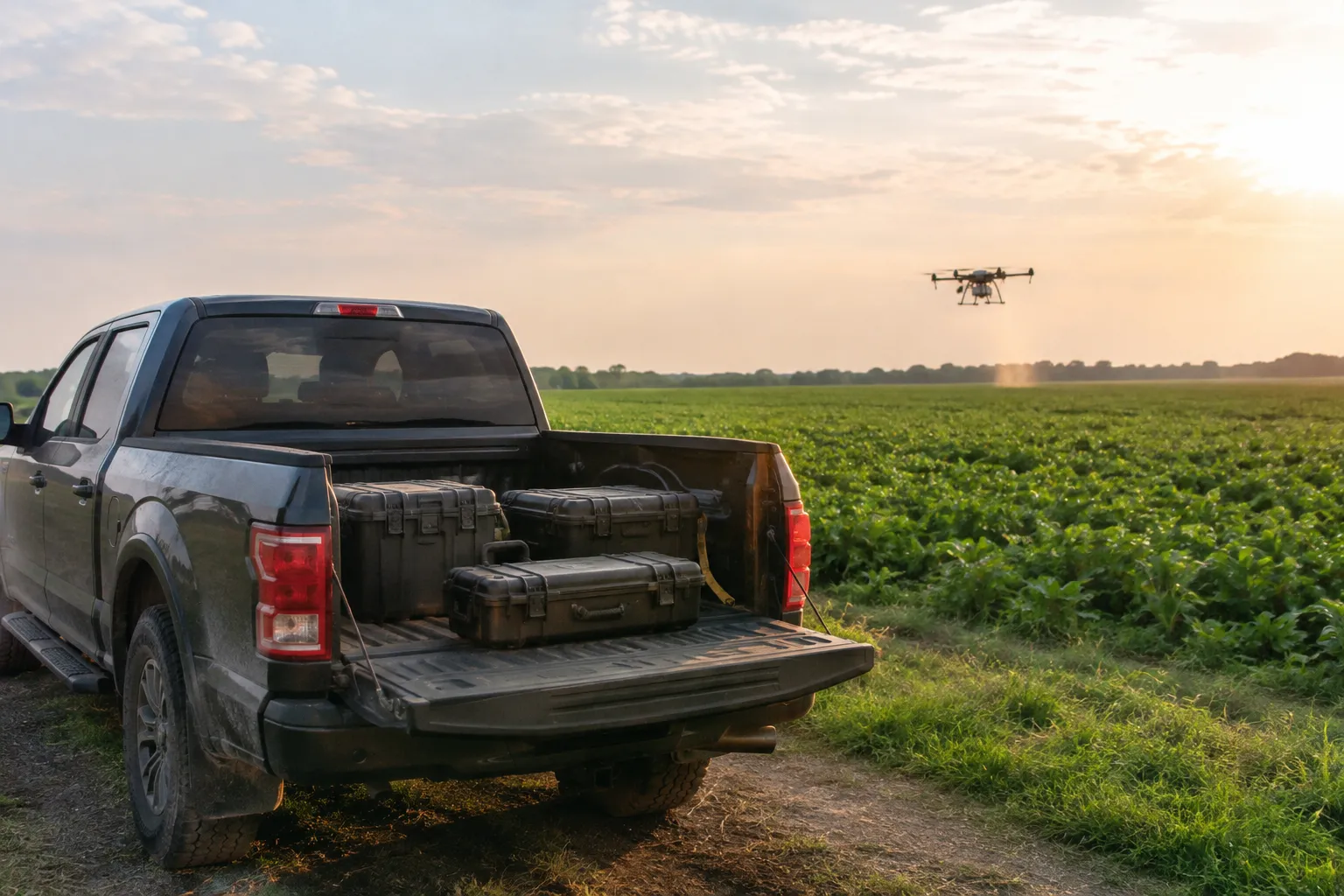
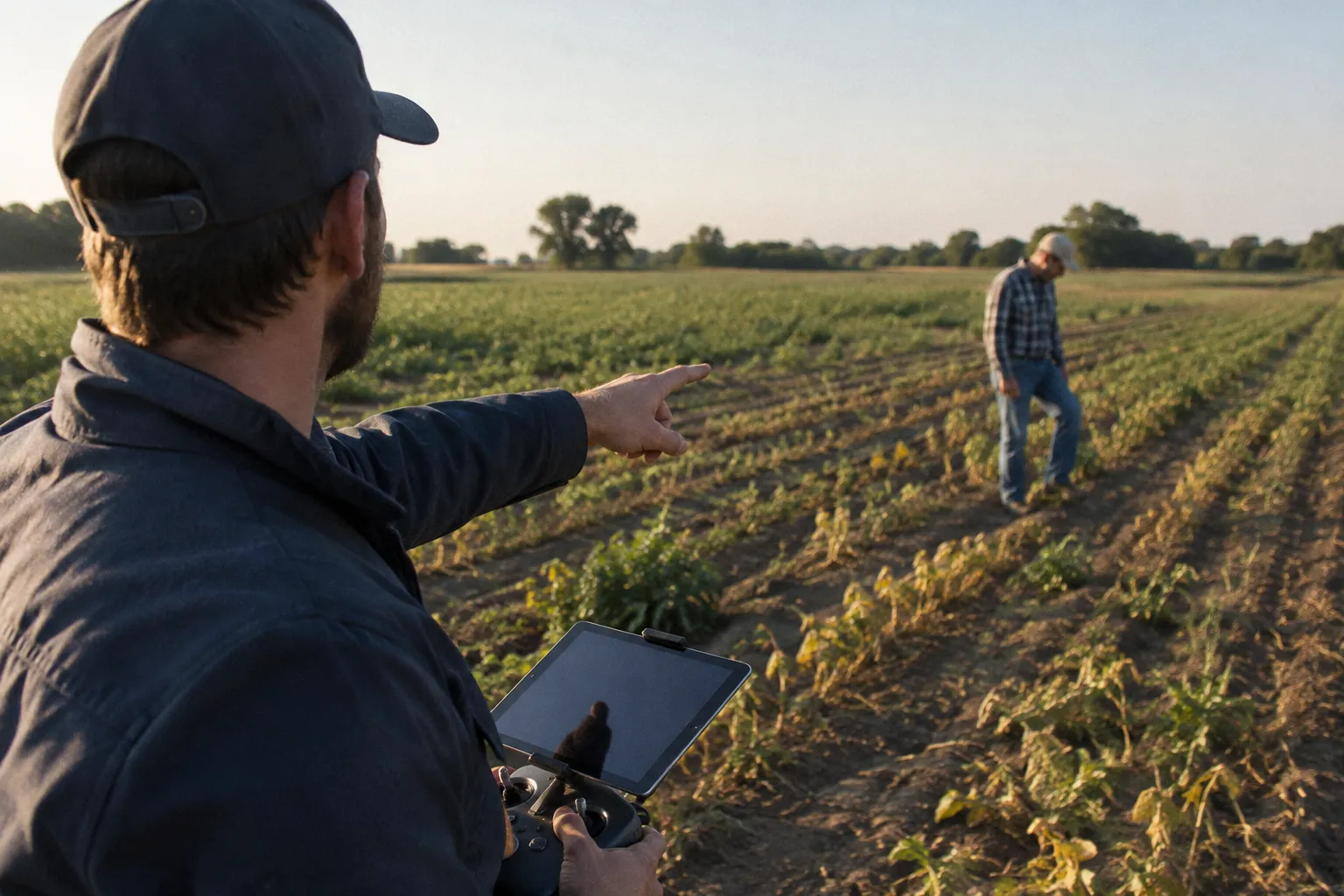
Think about how a normal data mission goes wrong. A gust pushes the aircraft into a center pivot. A flyaway drops into a neighbor's pasture. A pilot loses signal near a power line, and the utility sends a bill. Or someone breaks into the truck and takes a $15,000 multispectral rig. None of that involves a spray tank, and all of it is expensive.
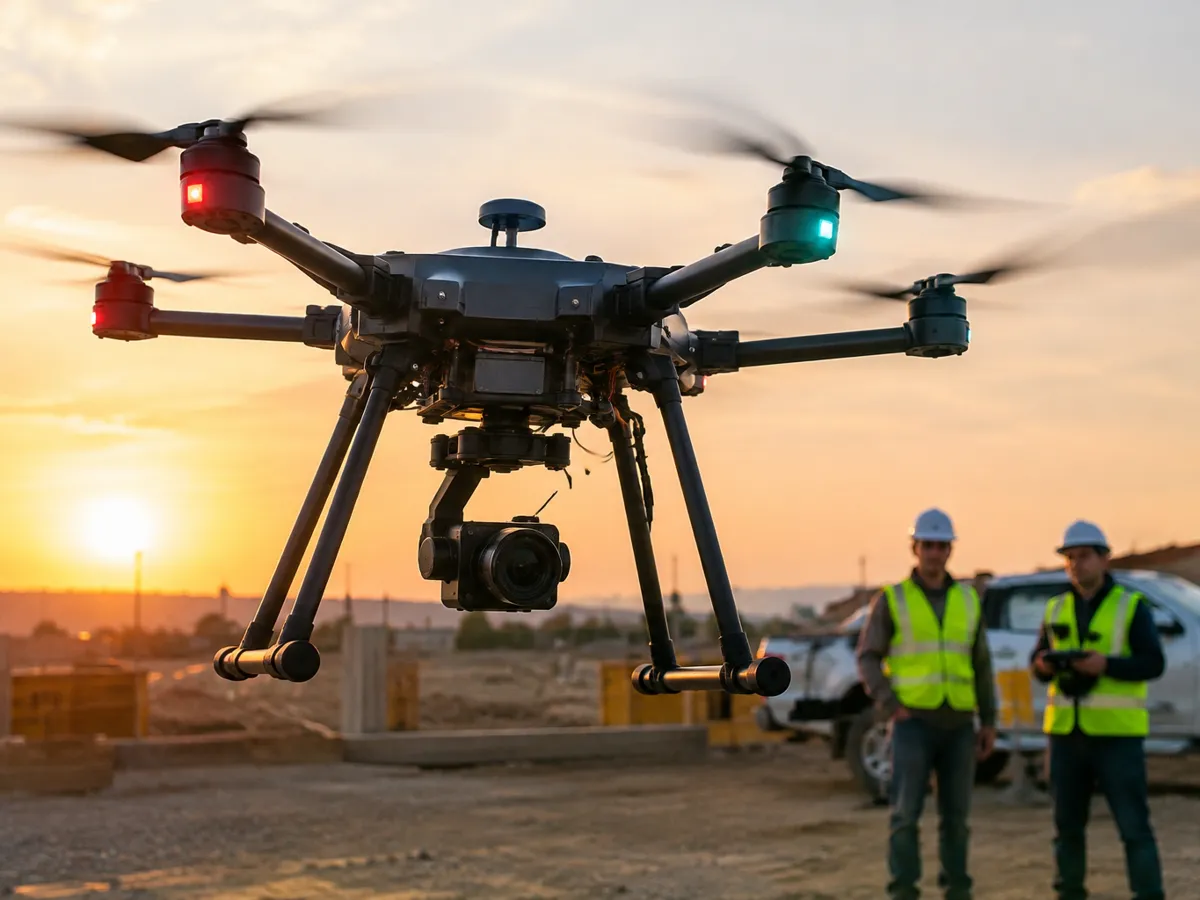
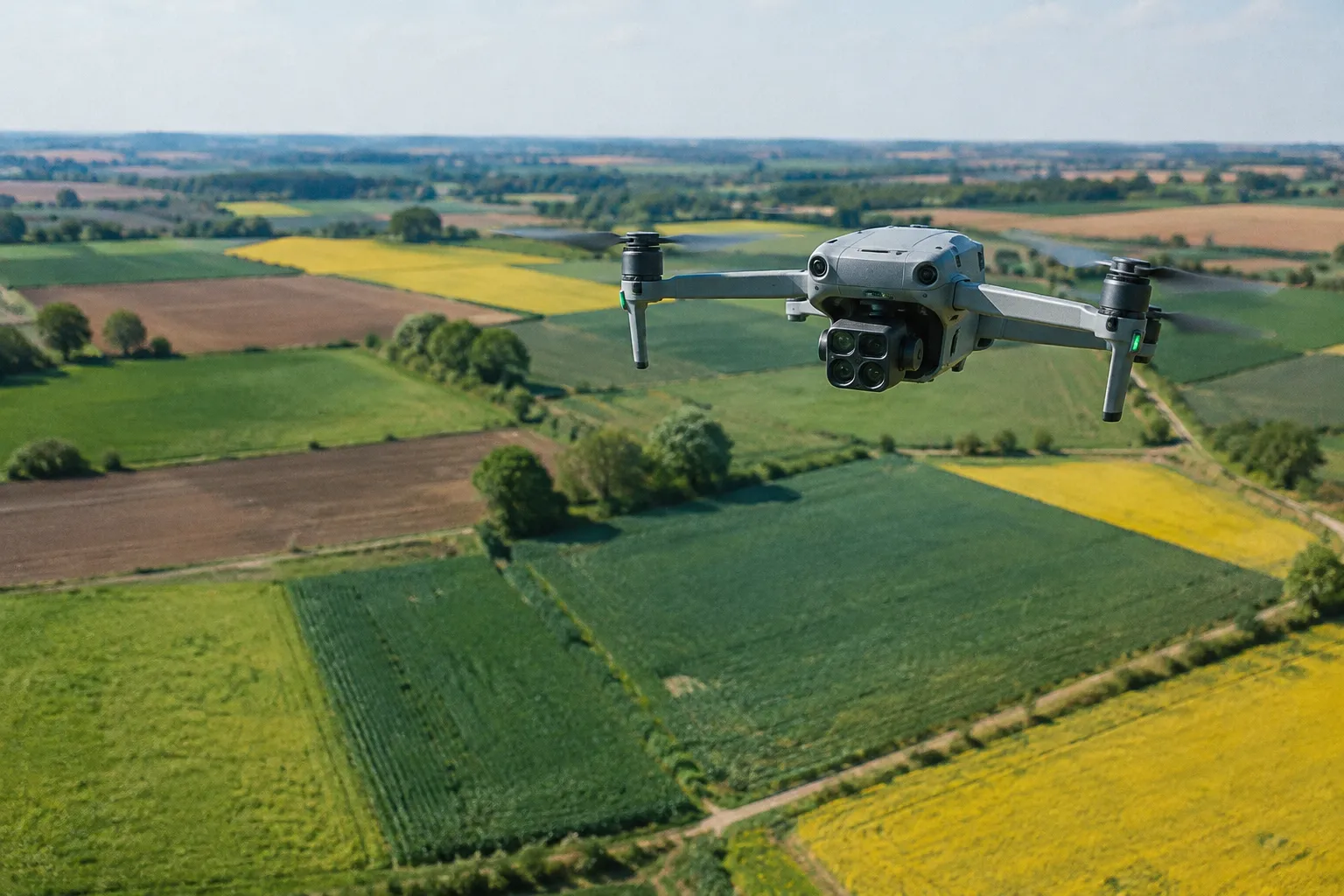
Let's start with the gear. A multispectral sensor often costs more than the airframe carrying it. If you shop for NDVI drone insurance, check that the payload is listed under your hull coverage and not treated as a loose accessory. Some policies cap accessories at a low amount, and that gap only shows up after a claim. Read the schedule, not the summary page.
How Insurance Differs for Data-Gathering vs. Spray Drones
Spray drones carry chemical risk. Drift onto a neighbor's soybeans, contamination near a water source, or damage to the crop you were hired to protect can all lead to large liability claims. Underwriters price that exposure accordingly, and they often ask about applicator licensing and Part 137 operations.
Data-gathering drones sit in a different bucket. The main exposures are physical damage, third-party injury or property damage, and loss of expensive sensors. Premiums for imaging work are typically lower than for application work, though the exact number depends on your fleet, your experience, and where you fly.
That said, "lower risk" is not "no risk." Mapping drone agriculture coverage should still carry meaningful liability limits, especially if you fly on land you don't own. Custom operators who sell scouting services to several farms should also confirm the policy covers commercial work for hire. A hobbyist policy will not respond to a paid flight.
Soil work adds its own wrinkles. Soil survey drone insurance has to account for low-altitude passes over uneven ground, remote sites with poor signal, and sometimes heavier payloads like LiDAR or thermal units. Wet fields, tree lines, and slopes make recovery harder when something goes down. If a policy excludes certain terrain or payload weights, you want to know before you fly, not after.
We've issued more than 300,000 commercial drone insurance policies, and the pattern is consistent. Operators who match the policy to the actual mission have smooth claims. Operators who bought generic coverage and later added a sensor, a second pilot, or a new service line are the ones who get surprised.
This is also why we work with underwriters who specialize in ag drone operations. They understand that a scouting flight over corn in July is nothing like a spray run, and they price and write the policy to match. If you want to see how that fits your operation, our agriculture drone insurance page lays out the options.
A few practical checks before you buy. Confirm the liability limit matches what landowners or clients expect, since many farm contracts specify a minimum. Ask whether additional insured endorsements are available, because a landowner may want to be named on your certificate. Verify that hired pilots are covered. And find out whether data loss or sensor malfunction is excluded, since those are common carve-outs.
Plain drone insurance can work for a single pilot flying one aircraft. But once you have multiple aircraft, seasonal crews, or both mapping and application work, you should look at a policy built for agriculture. Precision agriculture drone insurance is simply the better fit when your business depends on crop data and repeat flights.
One more thing. Service matters when a drone is down in the middle of the season. Planting windows and scouting schedules don't wait on paperwork. We hold nearly perfect 5-star customer support ratings because people usually call us when they are stressed, and a clear answer matters more than a polished script.
Frequently Asked Questions
How much does precision agriculture drone insurance cost?
Costs vary with aircraft value, payload, pilot experience, and liability limits. Imaging and mapping operations generally cost less to insure than spray operations because they carry less chemical liability. Getting a quote with your exact equipment list is the only reliable way to see your price.
Does my policy cover a multispectral or NDVI sensor?
Only if the sensor is listed or falls within your accessory limit. Multispectral cameras can cost more than the drone itself, so a low accessory cap can leave you underinsured. Ask for payloads to be scheduled under hull coverage.
Do I need insurance to fly mapping drones on a farm I don't own?
The FAA does not require liability insurance for most Part 107 flights. However, landowners, clients, and contracts often require proof of coverage. Without it, you may be personally responsible for any damage or injury.
Is insurance for mapping drones different from spray drone insurance?
Yes. Spray drone policies address chemical drift, crop damage, and applicator requirements. Mapping and data-gathering policies focus on aircraft damage, sensor loss, and general liability, and they typically carry lower premiums.
Get a quote at skywatch.ai