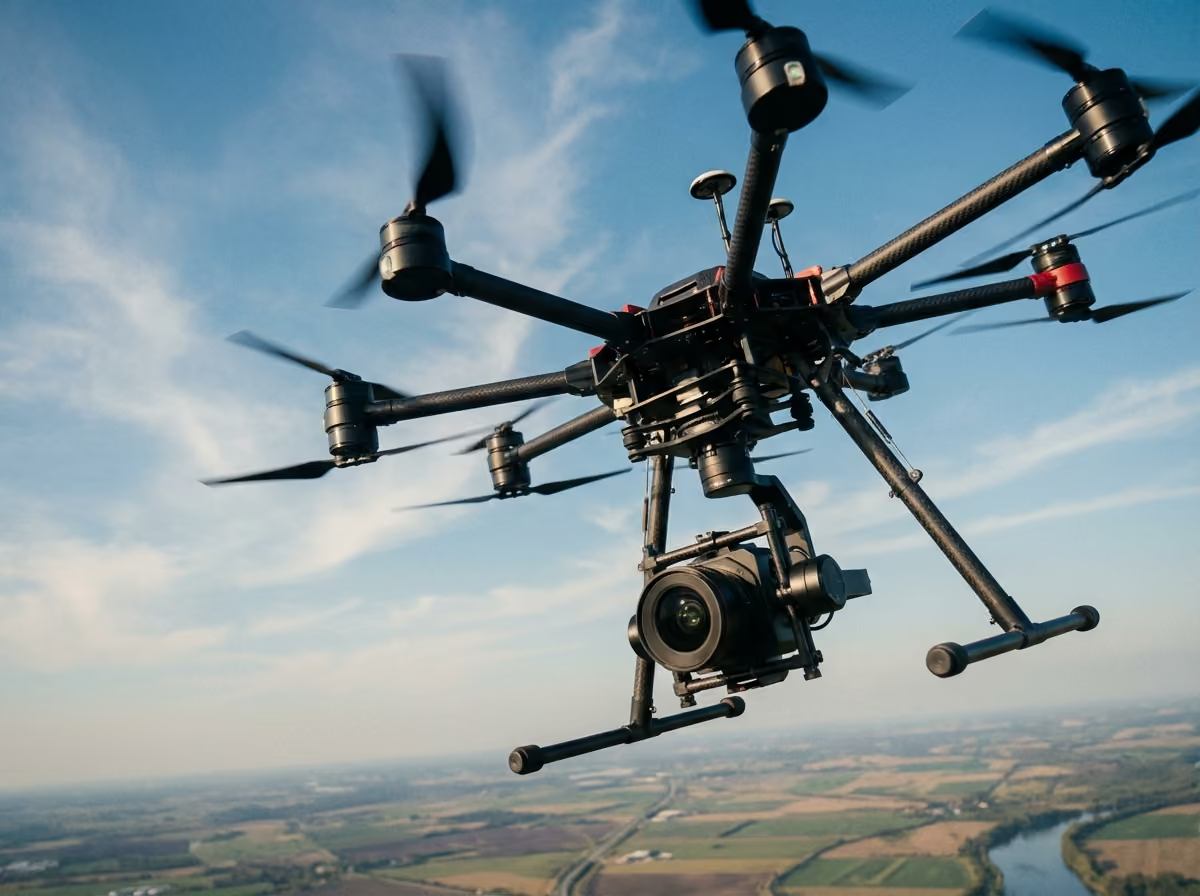
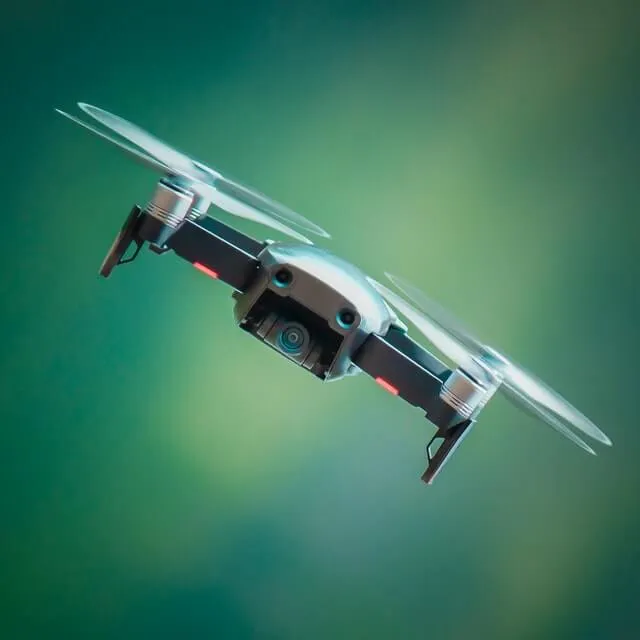
A high-end commercial drone is a serious investment. Mapping UAVs, agricultural drones, and cinema-grade systems can easily run $20,000 to $80,000 once you factor in the camera payload, sensors, and spare equipment. Most commercial pilots we talk to are meticulous about maintaining their aircraft. The insurance side of the equation, though, sometimes gets less attention than it deserves.
If your drone goes down on a job, the financial hit is not just about replacing hardware. There is lost revenue, potential liability, and the cost of a claim that may or may not go smoothly depending on how your policy is structured. Here is what to think through before your next job.
Understand the Difference Between Hull and Payload Coverage
Hull coverage protects the airframe, motors, and flight control systems. Payload coverage protects the camera, sensor package, or specialized equipment mounted to the drone. These are two separate things, and they are not always covered together under the same policy.
A lot of commercial pilots assume their insurance covers everything attached to the drone. That assumption gets tested quickly when a gimbal-mounted thermal sensor goes down and the insurer points to a payload exclusion in the policy language. Before your next flight, confirm exactly what is and is not covered, and make sure your payload value is accurately declared on your policy.
At SkyWatch, our commercial drone insurance is built to reflect how professional operators actually work, including coverage for payload equipment as part of a complete protection package.
Check That Your Liability Limits Match the Job
Different clients, sites, and industries carry different liability requirements. A $1 million liability limit is common across most commercial work. But agricultural operations over large acreage, infrastructure inspection near public roads, and energy sector work can carry higher exposure and stricter client requirements.
If you are working with a new client and they send over a service agreement, read the insurance requirements section before you sign. It is not unusual to find that a specific project requires $2 million per occurrence, or that the client needs to be listed as an additional insured on your policy. Neither of these is complicated to arrange, but you need to know in advance, not on the morning of the flight.
SkyWatch lets you adjust your liability limits and generate a Certificate of Insurance with a named additional insured in minutes. That kind of flexibility makes a real difference when clients ask for documentation on short notice.
Protect Your Drone During Transport and Setup
Most incidents with commercial UAVs do not happen mid-flight. A significant number happen during transport, setup, or breakdown at a job site. A case dropped in a parking lot, a drone knocked over during prep, a rotor clipped during packing can all cause real damage before the aircraft ever leaves the ground.
Check whether your policy covers ground incidents and not just in-flight operations. Some policies are explicitly limited to flight operations, which means damage that happens outside of active flight may not be covered. This is worth reviewing carefully if you are operating in fast-paced environments like construction sites or live events where the area around your equipment is not always controlled.
Document Your Equipment Before the Season Starts
This is a simple step that pilots often skip: photograph and document your complete equipment setup, including serial numbers, before you start a busy work period. If you ever need to file a claim, that documentation makes the process significantly faster and reduces the chance of disputes about the condition or value of the equipment.
Keep your records updated when you add new payloads, upgrade components, or change your drone configuration. An insurance policy is only as accurate as the information on it.
Flying Commercially Means Operating Like a Business
The pilots who run the most successful commercial drone operations treat their insurance the same way they treat their other business tools: they keep it current, they know what it covers, and they make sure it is ready to go when the job comes in. That means reviewing your policy at the start of each season, confirming your limits reflect the work you are actually taking on, and not leaving coverage gaps that could cost you a contract or a major claim.
If you want to make sure your drone liability coverage is properly structured for the jobs you are taking, start with a quote at skywatch.ai. We built the platform for commercial operators who need real coverage that keeps up with how they work.