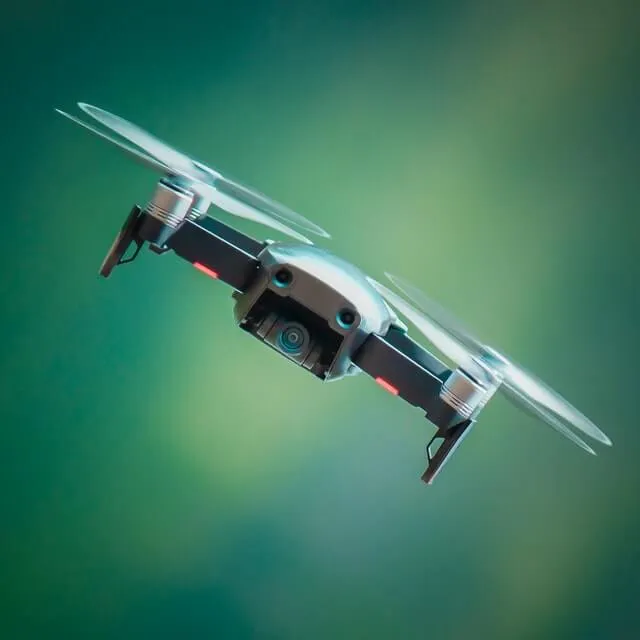
A lot of commercial drone operators ask us about hull insurance. Specifically: does my policy cover my drone if it goes down?
It's a fair question, and the answer is not necessarily. Liability coverage and hull coverage are two different things, and plenty of operators find that out the hard way.
Liability vs. hull: the core difference
When you buy commercial drone insurance, liability covers claims by other people. If your drone hits a car, damages a roof, or injures someone on a job site, liability pays for that. It's what most clients and contracts require you to carry.
Hull coverage is different. It covers physical damage to your actual drone. Crashes, flyaways, hard landings. If your $15,000 aircraft hits the ground and you have no hull coverage, that loss is yours to absorb.
Many bare-bones policies lead with liability. They meet the minimum requirement for getting hired, and operators assume the drone itself is covered too. It often isn't.
What hull coverage includes
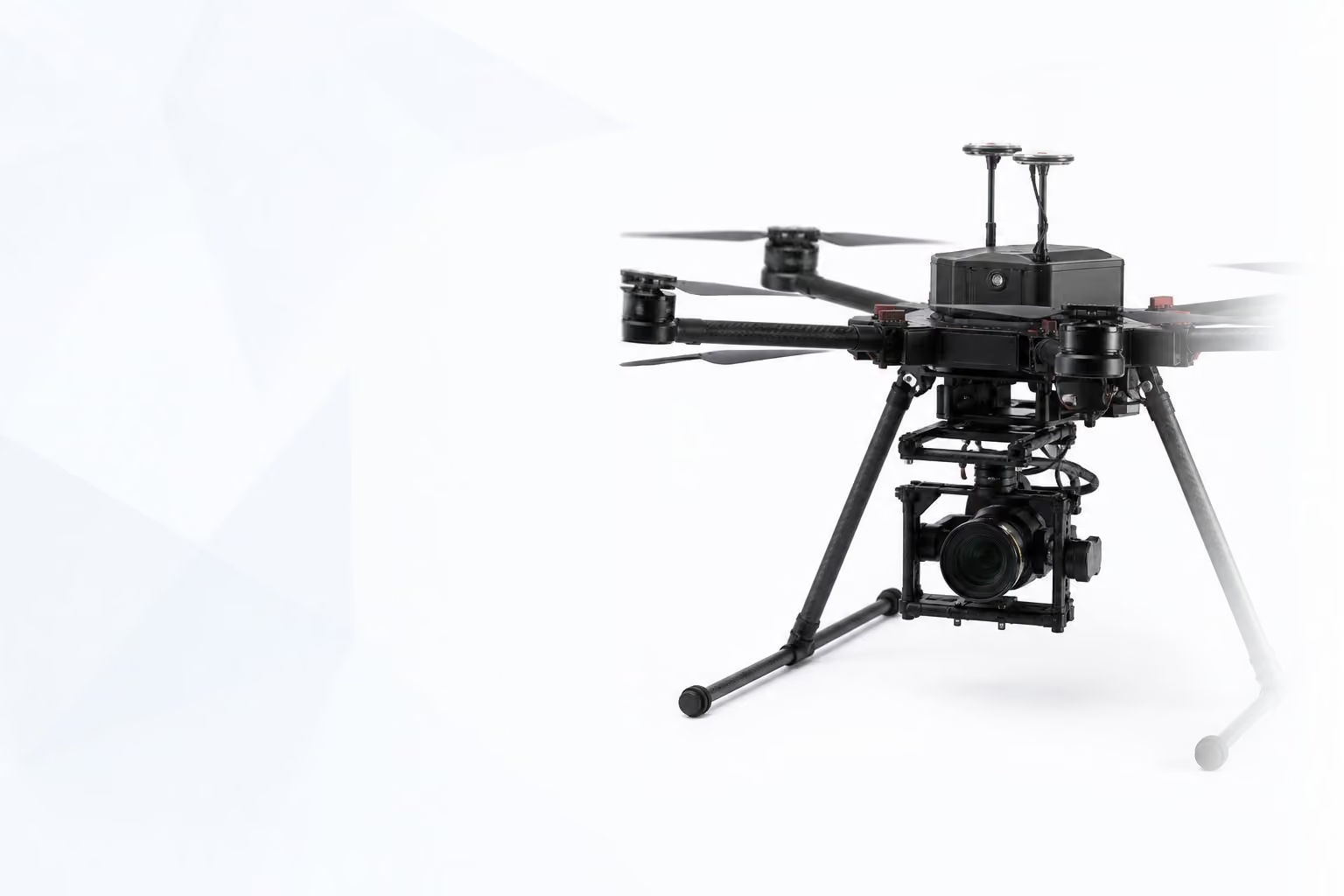
A hull policy covers the airframe, motors, propellers, and integrated systems. Payload equipment like cameras or sensors may need to be listed separately depending on your policy.
Most hull policies also cover flyaways. Losing a drone to a GPS glitch over water is not unusual in commercial operations. Without hull coverage, that flight costs you the full replacement value of the aircraft.
Theft is usually covered too, though some policies require the drone to be stored in a locked location for claims to be valid. Read that section before you need it.
What hull coverage does not include
Standard hull policies don't cover wear and tear. Batteries that degrade, motors that wear out, propellers replaced after a rough season are maintenance costs, not insurable losses.
Most policies also exclude damage from flying outside legal parameters. Operating without a current Part 107 certificate or flying in restricted airspace without authorization can void a hull claim. The coverage follows legal operations.
Getting the right combination
If you're flying commercially and your drone is worth more than you can comfortably replace out of pocket, you need hull coverage. Liability alone does not protect your equipment.
Check your current policy: confirm whether hull is included, what the insured value is, and whether your payload is covered separately. That conversation is worth having before your next flight, not after a claim.
Frequently asked questions
Does commercial drone liability insurance cover my drone if it crashes?
No. Liability covers damage or injury to third parties. To cover your own drone, you need hull insurance as a separate or add-on coverage.
How much does hull insurance cost for a commercial drone?
Typically 5% to 12% of the insured value per year, depending on the drone model and operation type. On a $10,000 drone, expect roughly $600 to $1,000 annually.
Is a flyaway covered under hull insurance?
Usually yes. Most commercial hull policies cover flyaways from signal loss or GPS failure. Check your specific policy language to confirm flyaway is listed as a covered cause of loss.
Does hull insurance cover my camera and payload?
It depends on the policy. Some include integrated systems up to a listed value. Others require you to separately schedule payload equipment. List your camera and sensors when purchasing coverage to avoid gaps.
Can I get hull coverage for a single flight instead of an annual policy?
Yes. With on-demand drone insurance, you can add hull coverage for individual flights or short periods. This works well for operators who fly occasionally or want coverage for specific high-value jobs.