

A lot of pilots who rent or borrow aircraft assume they are covered because the owner listed them on the policy. It is a reasonable assumption, but it leaves out something important. Being a named pilot and being a named insured are not the same thing, and the difference can have real financial consequences if something goes wrong.
This is one of the most common misconceptions we see among renting pilots, flight students, and CFIs. So let us walk through what the coverage actually looks like, where the gaps appear, and why carrying your own aircraft renters insurance is worth every dollar.
Named Pilot vs. Named Insured: Why It Matters
When an aircraft owner adds you to their policy as a named pilot, the owner's insurer acknowledges that you are an approved operator of that aircraft. That is not nothing. It means the policy should not be voided simply because you are flying the plane.
But the owner's policy exists primarily to protect the owner, not you. The liability coverage, hull coverage, and legal defense resources in that policy are designed around the owner's interests. If a dispute arises between what the insurer owes the owner versus what they might owe you, those interests can conflict.
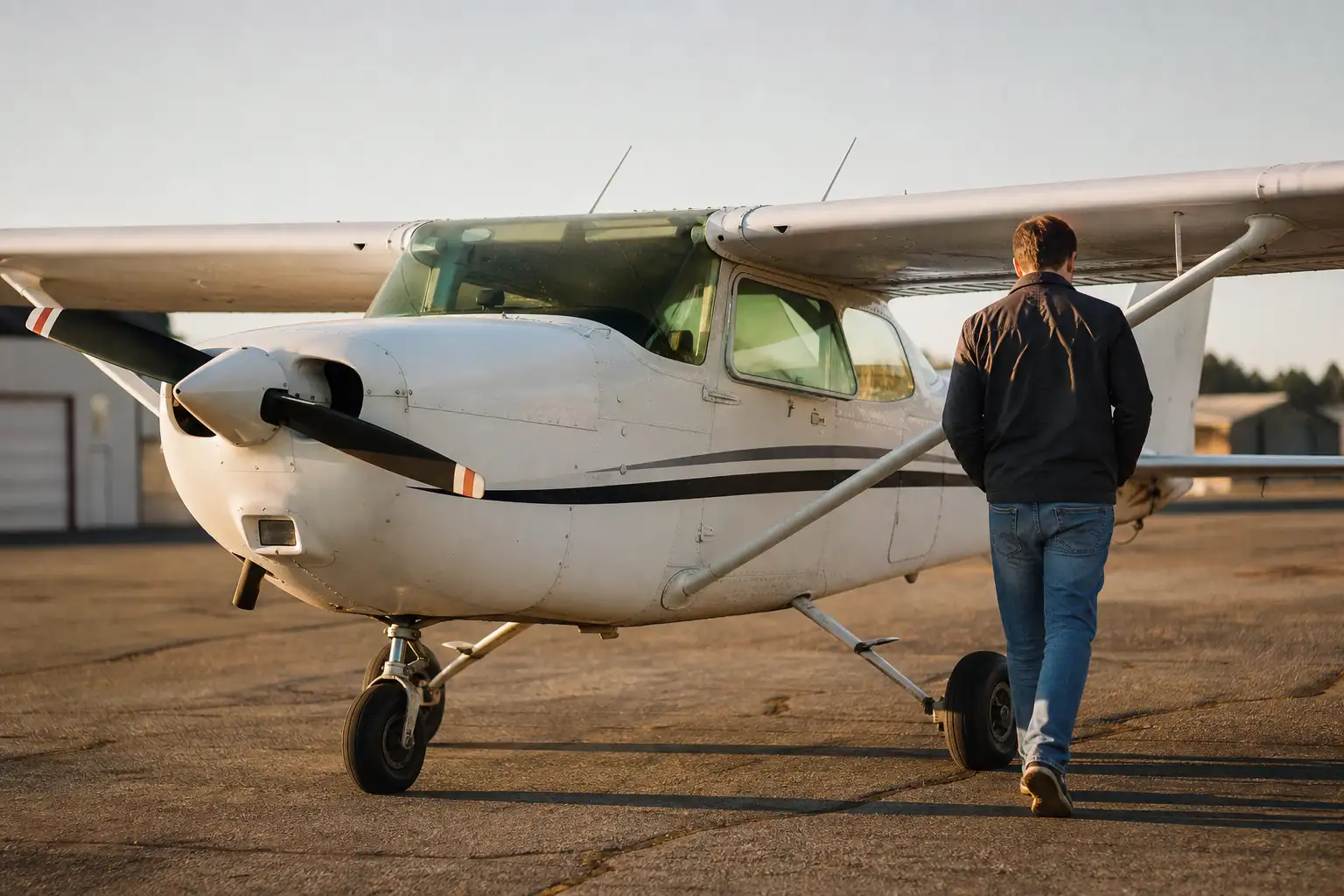
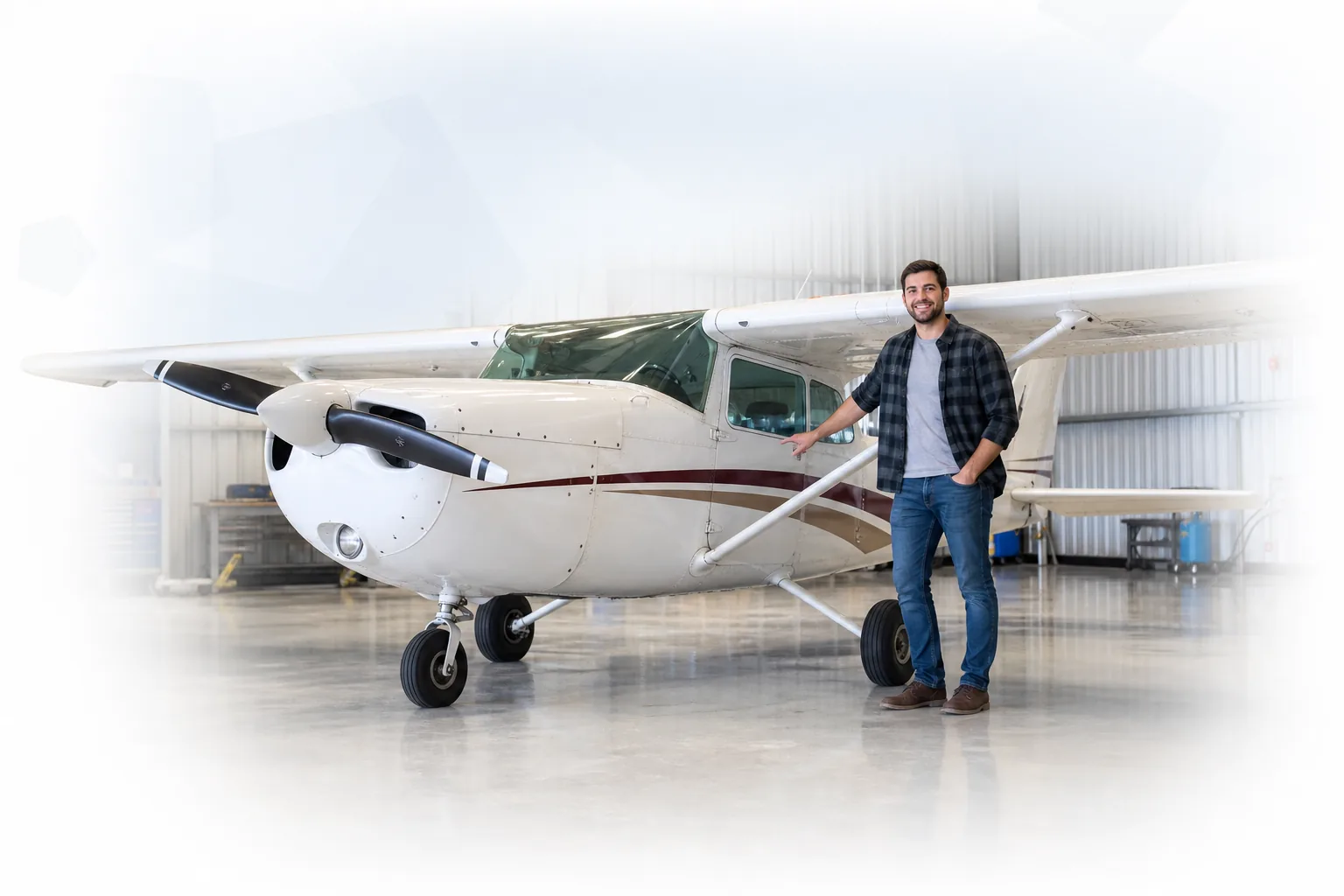
Here is a scenario that comes up in pilot forums all the time. You are renting a friend's Cessna 172, and during taxi you clip a parked aircraft. There is significant damage to both planes, and a passenger in your aircraft has minor injuries. Now the owner's insurer is managing a claim that involves the owner's deductible, liability exposure to third parties, and potentially a subrogation question about recovering costs from you, the pilot at the controls.
Your own aviation insurance policy, if you had one, would work independently of that process. It would defend your personal liability, separate from the owner's insurer's calculations about what is best for the owner.
The Subrogation Question
Subrogation is the legal process by which an insurer, after paying a claim, seeks to recover that money from a responsible third party. In aviation, this means the owner's insurer could, under certain circumstances, come after you to recover what they paid out.
This does not happen often, and many aviation policies include language that limits or waives subrogation against named pilots. But policies vary. Not every rental agreement or flight school contract includes that protection. And when you are borrowing a friend's aircraft informally, the protections are even less defined.
Carrying your own non-owned aircraft insurance puts you in a much cleaner position. You have an insurer in your corner, defending your interests specifically, rather than relying on the goodwill of the owner's insurer to look out for you too.
What Non-Owned Insurance Actually Covers
A non-owned aircraft renters insurance policy typically includes two main coverages:
Liability coverage (Coverage A): This is the most important part. It protects you against claims for bodily injury or property damage that result from an accident while you are flying a non-owned aircraft. If a third party sues you personally, this is what responds.
Aircraft damage liability (Coverage B): This covers damage to the aircraft you were operating, up to the limits of your policy. It can help cover the owner's deductible and protect your relationship with the person whose plane you flew. This coverage is usually optional, so you can choose the right level based on the aircraft you typically fly.
One thing worth noting: most non-owned policies are written as excess insurance, meaning the owner's policy responds first. If the owner's insurer covers the loss, your policy may not need to pay anything. But if there is a gap, if the owner's insurer pushes back, or if the claim exceeds available limits, your policy is there to cover the difference.
Who Should Carry a Non-Owned Policy
If you fly aircraft that you do not own, the answer is simple: you should have one. That includes:
- Recreational pilots renting from a flight school or club
- Student pilots who are required to carry their own coverage by their training school
- CFIs flying student aircraft during instruction
- Pilots who borrow aircraft from friends or family
- Pilots flying club-owned aircraft
The cost is low relative to the risk. For most pilots, a policy with solid liability coverage runs a few hundred dollars a year, or a fraction of that for a short-term daily or monthly policy. SkyWatch offers flexible options for student pilots, CFIs, and recreational pilots, so you are not locked into annual coverage if your flying schedule does not require it.
One More Thing Worth Checking
Before your next flight in a non-owned aircraft, pull out the rental agreement or review the owner's policy if you have access to it. Look for language about named insured status, subrogation waivers, and whether the policy defends you independently or only as an extension of the owner's coverage.
If those answers are unclear or the coverage is thin, that is a good signal to get your own policy in place before you fly. It takes a few minutes and it gives you something the owner's policy simply cannot: coverage that is yours, for you, regardless of what the owner's insurer decides to do.
You can get a quote for non-owned aircraft insurance at SkyWatch in minutes, with options for daily, monthly, or annual coverage depending on how often you fly.