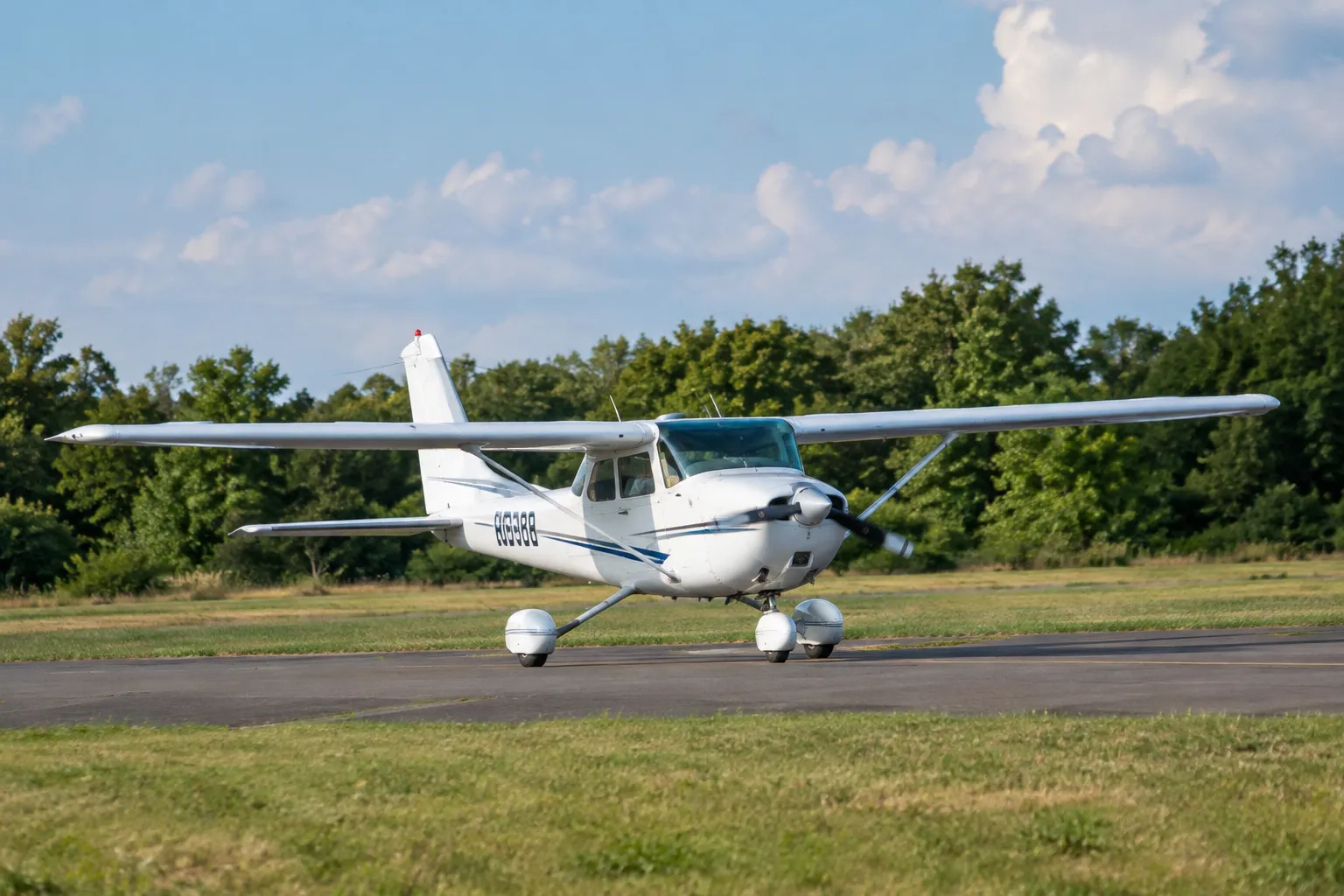


Most pilots who rent aircraft think carefully about hull coverage and third-party liability. The question we get asked far less often: what happens to the people sitting next to you?
If you rent a Cessna 172, bring a friend along, and something goes wrong, the coverage picture changes the moment there is a passenger on board. Understanding that before you fly is worth more than most pilots realize.
Your policy covers more than the aircraft
A standard aircraft renters insurance policy includes two liability components that often get lumped together. Third-party liability covers people and property outside the aircraft, think someone on the ground, another aircraft, a vehicle on the ramp. Passenger liability is a separate sub-limit that applies specifically to the people riding with you.
That distinction matters because the dollar amounts are different. A policy might carry $1,000,000 in combined single-limit liability but cap passenger coverage at $100,000 per seat. If two passengers are injured and each has serious medical bills, that per-seat sub-limit is what determines what your policy actually pays, not the larger number you see at the top of your declarations page.
The FBO's policy is not a substitute
Flight schools and FBOs carry insurance on their aircraft. That coverage protects the aircraft owner. It does not automatically extend full protection to you as the renter pilot, and it generally does not exist to pay your passengers if you cause an accident.
We see this assumption frequently among pilots who fly club aircraft or rent casually. The club's hull policy keeps the plane covered. Your passengers, and your personal liability as the PIC, are a different matter. A student pilot who brings a family member on a solo cross-country should not assume the school's policy has them covered.
Passenger liability follows you, not the aircraft
This is the part that surprises people. If you hold a non-owned aircraft policy, your coverage travels with you as the pilot. Whether you are renting a Piper Cherokee from a club in Ohio or a Cessna 182 from an FBO in Florida, the passenger liability in your own policy applies. You do not need a separate policy for each aircraft or each rental location.
For a CFI carrying a student, this is especially worth knowing. When you are acting as PIC with a paying or non-paying student in the right seat, that person is a passenger under your policy. Your CFI endorsement and your passenger liability coverage both matter in that scenario.
What your passengers can actually claim
If a passenger is injured in an aircraft you are piloting, they have a potential claim against you as the responsible party. Your liability coverage steps in to defend you and, if you are found liable, to pay their medical bills, lost wages, or other damages up to your policy limits.
Some non-owned policies also include a medical payments component. That coverage pays your passengers' immediate medical costs regardless of fault, without waiting for a liability determination. It is a smaller dollar amount, but it moves fast when someone needs it.
What your passengers cannot do is file against your hull coverage or the FBO's aircraft policy to pay for their personal injuries. That is not what those coverages are for. Without your own passenger liability in place, your passengers' only path to compensation is to pursue you directly.
Check your sub-limits before you fly with anyone
Before you bring someone along on a rental flight, pull out your declarations page and look at two numbers: the combined single liability limit and the per-passenger sub-limit. If you are regularly flying with passengers, make sure the per-seat amount reflects the real-world cost of a serious injury. Medical and legal costs from an aviation accident are not small.
SkyWatch offers non-owned aviation insurance policies with passenger liability included. You can get coverage by the day, month, or year, depending on how often you fly. If you have questions about what your specific policy covers, reach out to our aviation team before your next flight.
FAQ
Does non-owned aircraft insurance cover my passengers?
Yes. Most non-owned aircraft policies include passenger liability coverage, which protects you if a passenger is injured during a flight you are piloting. Coverage applies up to the per-passenger sub-limit listed in your policy, which is often separate from the overall liability limit.
What is the difference between third-party liability and passenger liability in aviation insurance?
Third-party liability covers people and property outside the aircraft, such as people on the ground or damage to another aircraft. Passenger liability is a sub-limit that applies specifically to injury claims made by people riding inside the aircraft with you. Both types of coverage are typically included in a renter's policy.
If my passenger is injured, do they file a claim against my policy or the FBO's policy?
Your passenger's claim is against you as the pilot-in-command. Your non-owned policy defends you and pays on your behalf if you are found liable. The FBO's policy covers their aircraft, not your passengers' personal injury claims.
Does passenger liability coverage apply to student pilots and CFIs?
Yes. If you are a student pilot acting as PIC with a passenger on board, or a CFI with a student in the right seat, your non-owned policy's passenger liability covers that situation. CFIs may also want a separate CFI endorsement for professional liability specific to the act of instruction.
How much passenger liability coverage do I actually need?
There is no single answer, but $100,000 per passenger is a common baseline. If you regularly fly with passengers, consider whether that amount would realistically cover serious injury costs including hospitalization, surgery, and potential legal defense. A higher sub-limit or an umbrella policy may be worth the added premium if you fly often with others on board.