
Learning to fly is one of the most rewarding things a person can do. It is also one of the more expensive ones. Between flight hours, instructor fees, and examinations, student pilots are already managing a tight budget before insurance even enters the picture. But insurance is not optional — and understanding your options early can save you money and stress at exactly the wrong time.
This guide is written specifically for student pilots who rent aircraft and want coverage that fits how they actually fly: not every day, not always the same plane, and not always at the same school.
Why Student Pilots Need Their Own Insurance
Most flight schools carry insurance on their aircraft. That coverage protects the school’s asset. It does not protect you. If you damage a rented aircraft during a lesson or solo flight, the school’s insurer can come after you for the cost of repairs through a process called subrogation. Your instructor’s presence in the plane does not shield you from that liability either.
Beyond physical damage, there is also liability to consider. If something goes wrong mid-flight and a third party is injured or property is damaged, you want your own student pilot insurance in place — not just the school’s policy, which may not extend full protection to you as a renter.
What Flexible Actually Means for a Student Pilot
The word flexible gets used loosely in insurance. For student pilots, it should mean three specific things.
Flexible duration. You should not be locked into a 12-month policy if you are unsure how long your training will take or how often you will fly. Some students train intensively for six months. Others spread training over two years around work and family. Your policy should match your timeline.
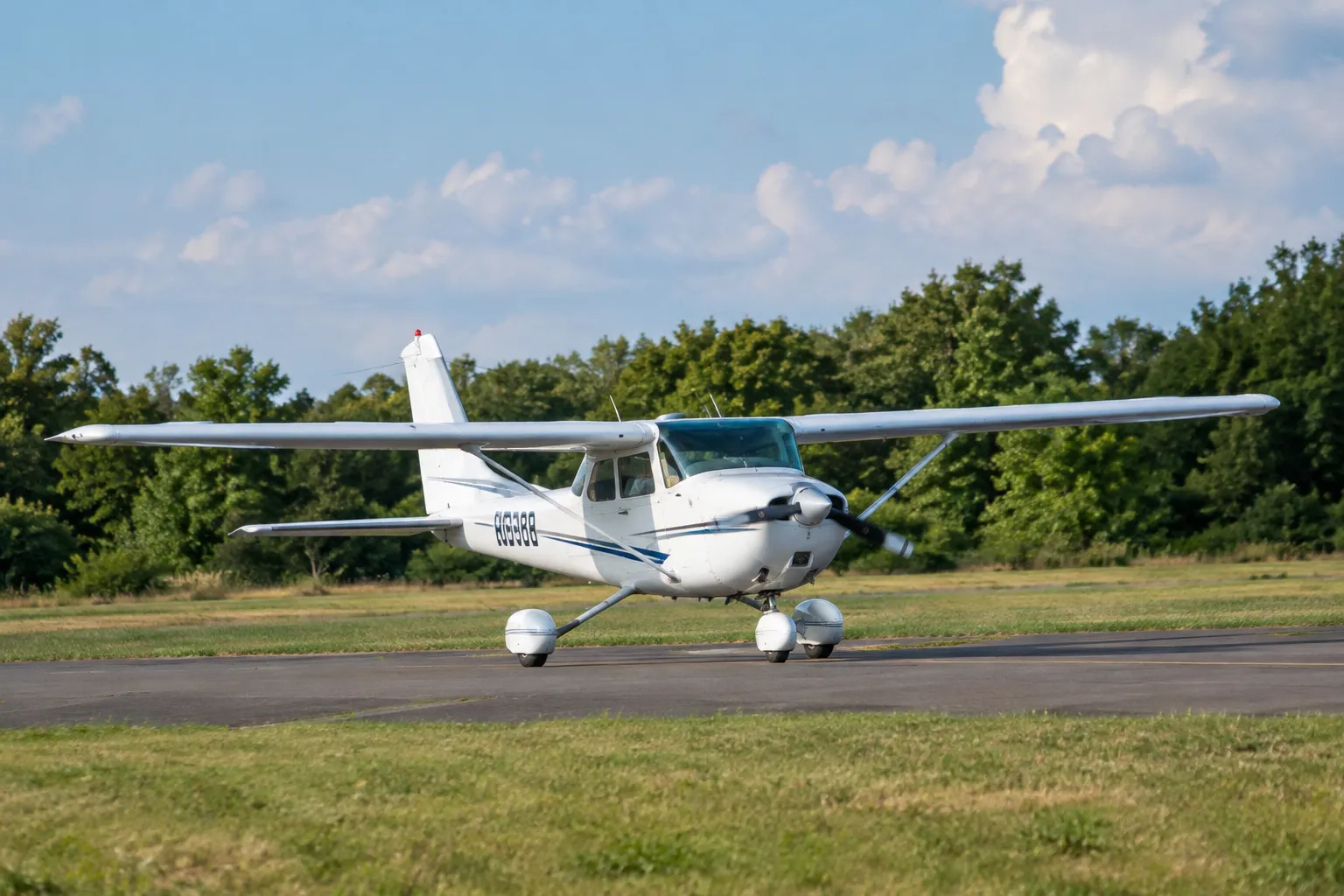
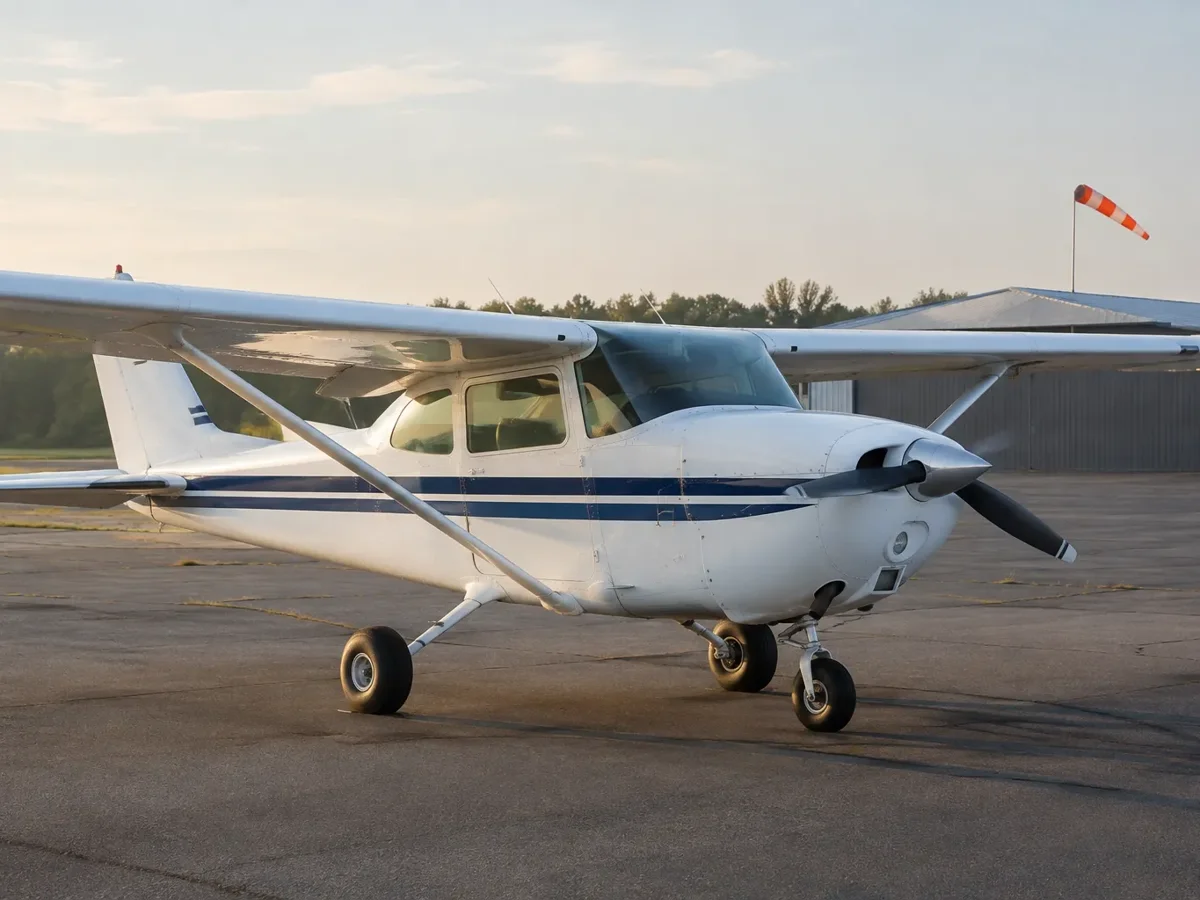
Flexible aircraft. Student pilots often fly more than one aircraft type as they progress — a Cessna 172 for primary training, a complex aircraft for advanced ratings. Good aircraft renters insurance covers you across the planes you are checked out in, not just one specific tail number.
Flexible start and stop. If you take a break from training for a month, you should not be paying a full premium during that time. On-demand or easily adjustable coverage is meaningfully better than a fixed annual policy for students who fly inconsistently.
What to Look For in a Student Pilot Renter Policy
When evaluating any policy, check these four things.
Liability limits. Most flight schools require a minimum of $100,000 in liability coverage before they will allow solo flights. Some require more. Check your school’s specific requirement before buying.
Physical damage coverage. This covers the cost of repairing or replacing the aircraft you damaged. It is usually expressed as a sublimit within your policy. Make sure it meets or exceeds what your school requires.
Checkout coverage. You will regularly check out into new aircraft types as you advance. Confirm your policy covers you during checkout flights in aircraft you have not flown before — not just planes you are already rated in.
No minimum hours requirement. Some insurers require a minimum number of flight hours before they will issue a policy. If you are early in training, find a provider that covers student pilots from the start.
How SkyWatch Approaches Student Coverage
At SkyWatch, we designed our renter’s coverage around the reality of how student pilots actually train. You can get a policy quickly online, adjust your coverage as you progress to new aircraft, and manage everything without calling a broker.
The process is built to be straightforward: enter your pilot information, select your coverage level, and get your certificate of insurance — the document your flight school will ask for — within minutes. If your training evolves, your policy can evolve with it.
When to Get Covered
The right time is before your first solo. Most schools will require proof of insurance before they sign you off for solo flight. Do not leave it until the day before — give yourself time to review your options, confirm the coverage meets your school’s requirements, and have your documents ready.
Getting insured early also means you are protected during the lessons leading up to solo, when incidents are statistically more likely and your confidence is still building.
If you are ready to find a policy that fits how you fly, start with a quote at skywatch.ai/aviation/student.