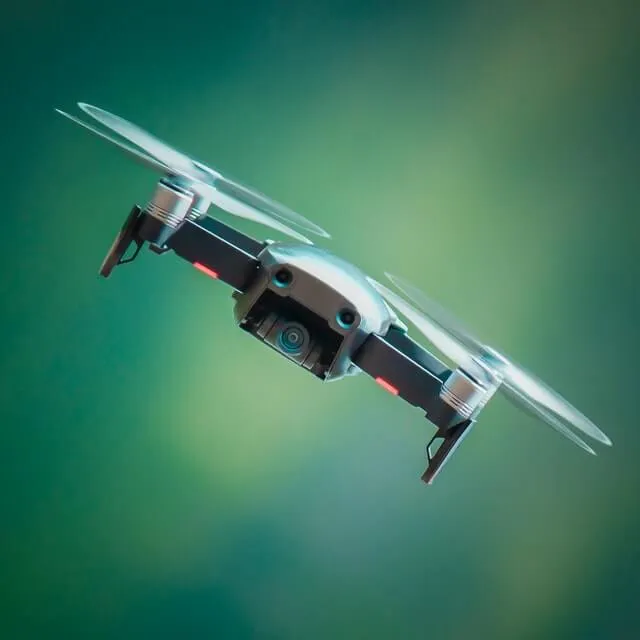
Vineyards and orchards aren't your average agricultural operations. The terrain is tight, the crops are high-value, and the growing seasons leave almost no margin for error. Drone operators working these properties know this firsthand. So does anyone who has tried to find the right insurance for it.
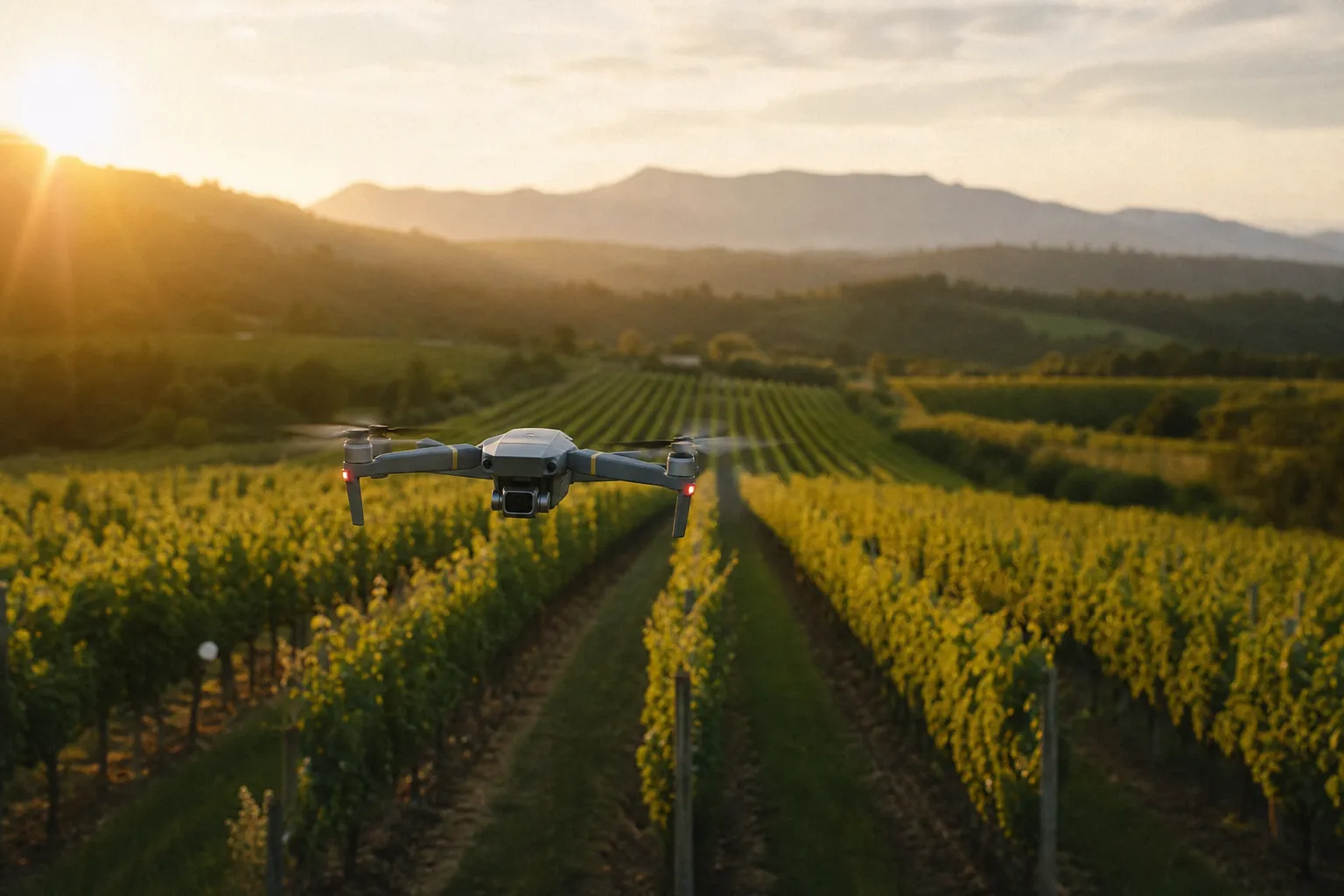
Vineyard drone insurance sits at an interesting intersection of commercial drone coverage and specialty agriculture risk. The policies that work for a real estate photographer or a construction site inspector simply don't address what's happening when you're flying over Cabernet Sauvignon vines worth tens of thousands of dollars per acre. Getting the coverage right matters more here than almost anywhere else in commercial drone work.
Why Specialty Crop Operations Have Different Insurance Considerations
When you fly a drone over a standard field crop, the risk profile is relatively straightforward. Damage is unfortunate, but recoverable losses are limited. Specialty crops are a different story. A vine that takes years to mature, a fruit tree in peak production, a row of premium varietals, these represent capital investments that go far beyond what the soil is worth. If something goes wrong during a flight, the liability exposure is substantial.
Orchard drone insurance has to account for the physical reality of the environment too. Flying between tree canopies, navigating elevation changes across hillside vineyards, working in conditions that shift quickly, these are not the same challenges as flying over open ground. Pilots operating in these settings face a narrower margin for error, and that affects how underwriters think about the risk.
That's why working with providers who understand agriculture matters. At SkyWatch, we work with underwriters who specialize in ag drone operations, which means policies are built around what actually happens in the field, not generic commercial drone assumptions. We've also issued more than 300,000 commercial drone insurance policies, so we've seen enough edge cases to know where coverage gaps show up in specialty crop work.
One of the most common gaps is third-party crop damage liability. General liability coverage may exclude damage to the property being worked on, which is a serious problem when your client's orchard is the job site. Specialty crop drone coverage should explicitly address this scenario. If your policy doesn't, you could be personally exposed for damage costs that run well into six figures on a premium property.
Payload coverage is another area worth examining closely. Multispectral sensors, thermal cameras, and NDVI imaging equipment used in vineyard and orchard work can cost as much as the drone itself. Some base policies treat payload as an afterthought or cap it at a figure that doesn't reflect the real replacement cost. When you're running equipment valued at $15,000 or more, that gap matters.
For operators providing agriculture drone insurance-backed services to multiple vineyard or orchard clients, there's also the question of whether your coverage scales appropriately. A single-property operation and a service provider flying across a dozen estates in a season have meaningfully different exposure profiles. Your policy should reflect your actual business model.
Agriculture drone insurance for vineyards also needs to keep pace with regulatory requirements. FAA Part 107 certification is the baseline, but some states and certain types of operations, especially those involving pesticide application or crop treatment, layer on additional licensing and insurance requirements. Knowing what's required in your operating region isn't optional. It's the foundation of running a defensible, insured business.
The cost question comes up constantly. Vineyard drone insurance doesn't have to be expensive, but the cheapest option isn't always the right one. A policy that saves you a few dollars per month but excludes crop damage liability or caps equipment coverage at an arbitrary limit can leave you exposed in exactly the situations where you need protection most. The right policy balances cost with actual coverage, and those aren't the same thing.
SkyWatch offers flexible options for drone operators working in agriculture, including on-demand coverage and annual plans depending on how frequently you fly. Our nearly perfect 5-star customer support rating reflects how seriously we take getting operators the right coverage, not just the fastest checkout. When you have questions about what a policy actually covers in a specialty crop context, you should be able to get a real answer.
Commercial drone insurance for vineyard and orchard work is a category that rewards doing your homework. The operators who take it seriously, who read the policy language, ask about crop damage exclusions, and confirm their payload is covered, are the ones who don't get surprised when something goes wrong.
Frequently Asked Questions
Does vineyard drone insurance cover damage to the crops being flown over?
It depends on the policy. Many standard commercial drone policies exclude damage to the property being serviced, which would include the vineyard itself. You need to specifically confirm that third-party crop damage liability is included in your coverage. At SkyWatch, we work with underwriters who understand this exposure and can structure coverage that addresses it directly.
How much does orchard drone insurance typically cost?
Costs vary based on coverage limits, frequency of operations, payload value, and the specific activities involved. On-demand policies can run as low as a few dollars per hour for lighter operations, while annual policies for full-service ag drone operators with higher liability limits will cost more. The right coverage amount matters more than finding the lowest premium.
What coverage limits should specialty crop drone operators carry?
Most professional ag drone operators carry at least $1 million in general liability, but those working on high-value vineyards or orchards should consider $2 million or higher given the per-acre value of specialty crops. Equipment and payload coverage should reflect actual replacement costs, not a default cap that may fall short of what your sensor package is worth.
Is agriculture drone insurance for vineyards different from standard commercial drone insurance?
Yes, in practice it should be. Standard commercial drone policies are often designed around photography, inspection, or mapping work in lower-risk environments. Specialty crop drone coverage needs to account for third-party agricultural liability, payload-heavy equipment, complex terrain, and in some cases, application operations that carry their own regulatory and insurance requirements.
Get a quote at skywatch.ai.