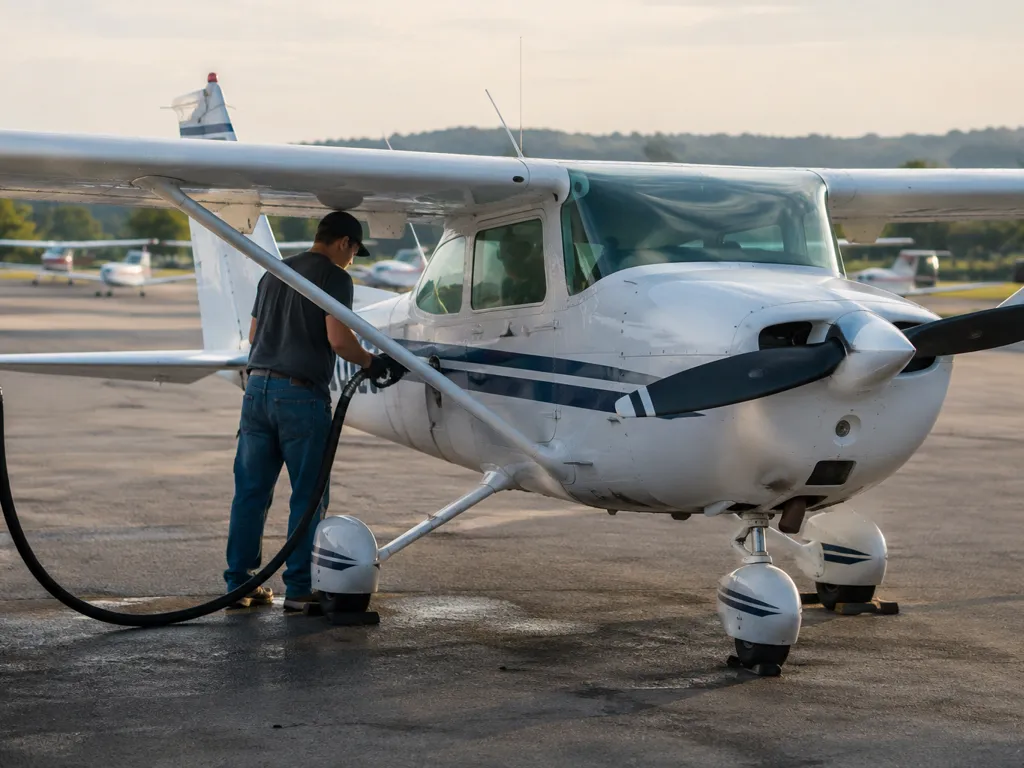


Co-owning an aircraft makes financial sense. You split the hangar fees, the annuals, the unexpected repairs. But once you add a second name to the title, the insurance situation gets more complicated than most people expect.
Every Owner Must Be on the Policy
This one surprises people. If you and a partner co-own an aircraft, both of you need to be listed on the policy. Flying under someone else's coverage as a co-owner is not a gray area. It is a gap that can leave you personally exposed after an incident.
The Lower-Hours Pilot Sets the Premium Floor
Underwriters look at the least experienced pilot on the policy. So if you have 2,000 hours and your co-owner has 150, expect the premium to reflect that. This applies whether you are covering a basic trainer, a Piper aircraft, or something more complex like a multi-engine aircraft.
Named Pilot vs. Open Pilot Warranty
A named pilot warranty limits coverage to specific listed pilots. An open pilot warranty allows any qualified pilot to fly within defined hour minimums. Co-ownership usually means going named. It costs more, but it protects both owners clearly.
What Happens When a Medical Lapses
If a co-owner's medical certificate expires, they are not legally current to fly. Your aircraft insurance policy may not cover flights where a medically lapsed pilot was at the controls. Review your policy language before this becomes a real problem.
LLC vs. Individual Ownership
Some co-owners form an LLC to hold the aircraft. This can simplify liability exposure, but the insurance policy still needs to reflect all operators. An LLC does not automatically shield individual members from a coverage gap.
Practical Tips for Co-Owners
- Get all pilots listed on the policy before the first shared flight.
- Build a written co-ownership agreement that addresses insurance responsibilities.
- Review the policy together at renewal, not just when something goes wrong.
- Notify your insurer immediately if any co-owner's medical or currency status changes.
Frequently Asked Questions
Can two pilots share one aircraft insurance policy?
Yes. In a co-ownership arrangement, all pilots who own and operate the aircraft should be listed on a single policy. Each owner's flight experience and credentials will be factored into the underwriting.
Will a co-owner with fewer hours raise my insurance premium?
Almost certainly. Insurers assess risk based on every pilot on the policy. A lower-hours co-owner increases the overall risk profile, which typically raises the premium for the entire policy.
What is a named pilot warranty and should I use one in a co-ownership?
A named pilot warranty restricts coverage to the specific pilots listed on the policy. For most co-ownership setups, this is the preferred structure because it clearly defines who is insured and keeps the terms predictable.
Does holding the aircraft in an LLC affect insurance coverage?
Yes. The LLC must be listed as the named insured. Individual members are not automatically covered just because they own the LLC. Make sure your policy is structured to cover both the entity and the people flying the airplane.
What happens to the policy if one co-owner stops flying or sells their share?
The policy needs to be updated. A co-owner who no longer has an ownership stake should be removed, and any new co-owner needs to be added and underwritten before they fly the aircraft. Failing to update the policy after an ownership change can create serious coverage gaps.