Hull coverage is one of those decisions that gets pushed back until someone regrets it. You have the plane, liability is sorted, and the annual hull premium feels steep for something you might never use. Running the math properly before you commit is worth the time.
What hull coverage actually pays for
Hull coverage pays to repair or replace your aircraft if it is damaged or destroyed, regardless of fault. That includes gear-up landings, ground handling accidents, hangar rash, weather events, and total losses. Liability coverage, part of any standard aircraft insurance policy, only protects against claims from other people. It does nothing for your own aircraft.
The number most owners use to decide
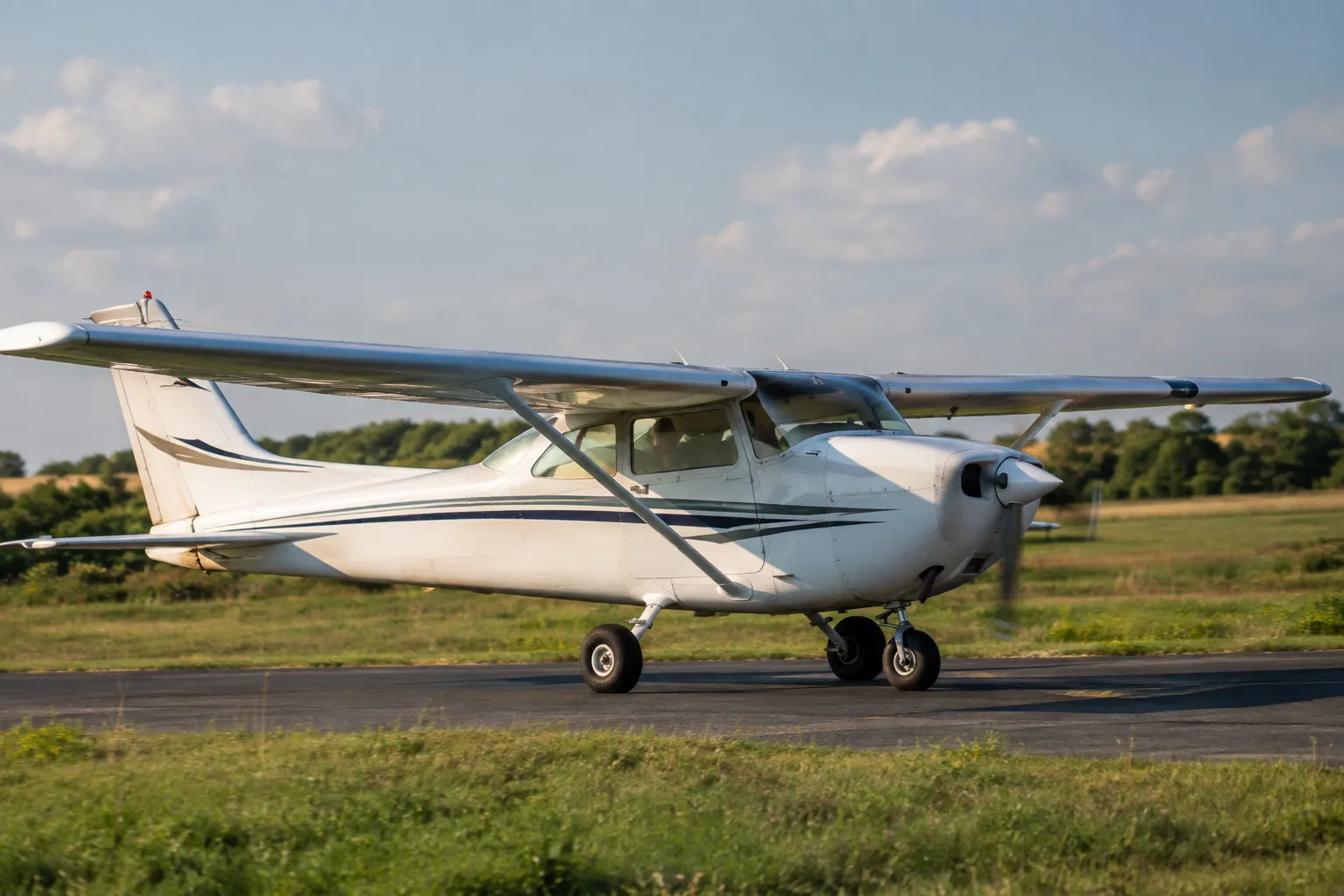
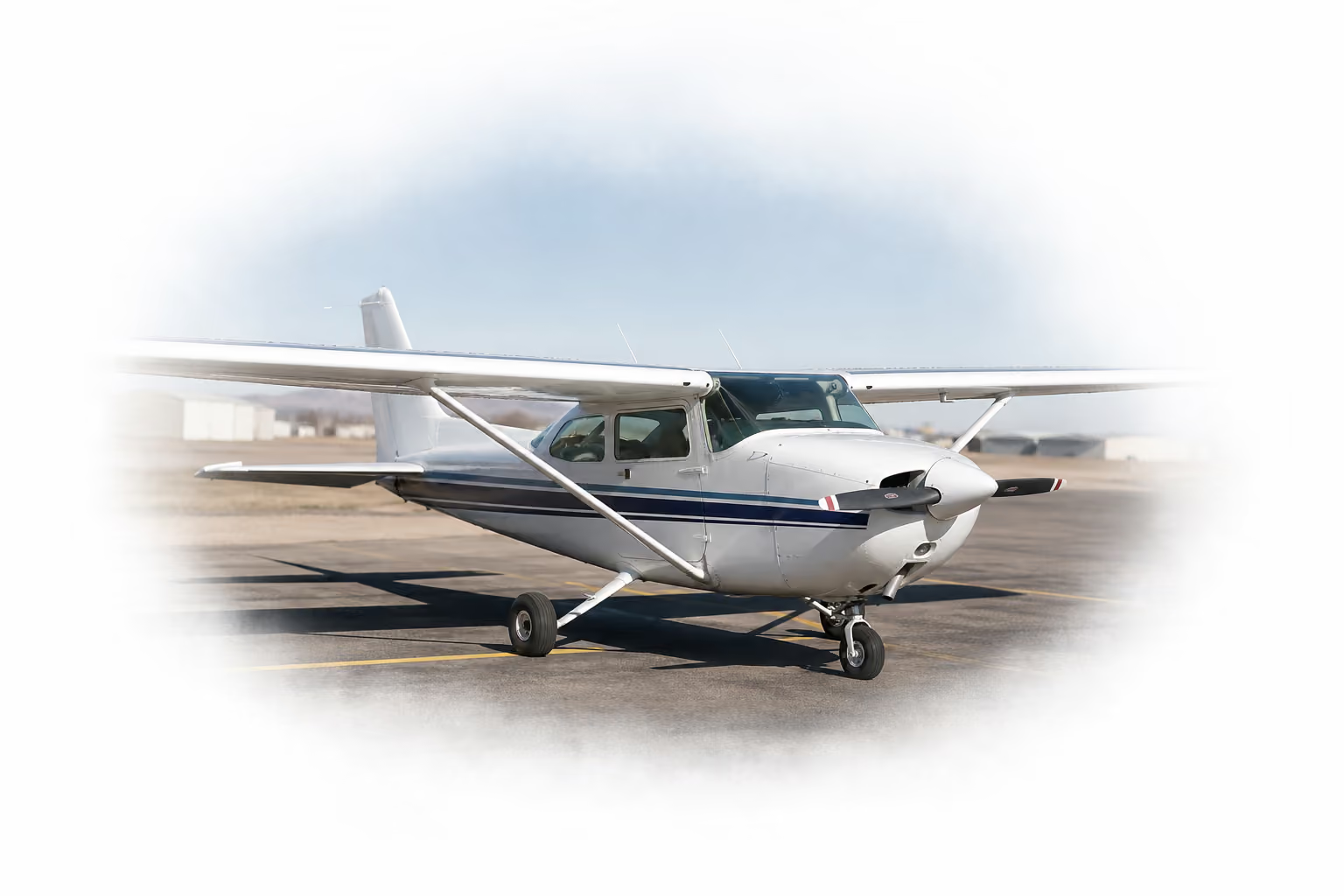
The common benchmark is roughly 1% to 2% of hull value as your annual premium. If your Cessna 172 is worth $85,000 and the premium comes in at $1,200, that is about 1.4% — a number that usually makes sense to carry. Tailwheel aircraft or high-loss models can push premiums toward 3% or more, and that is when the math shifts.
Some owners with low-value aircraft skip hull coverage and self-insure. If your plane is worth $25,000 and you can absorb a loss without serious financial damage, liability-only has a case. You can compare both options when getting a quote from SkyWatch. That said, even a repairable landing gear collapse can run $15,000 to $30,000 before prop and engine inspections. The threshold for self-insuring comfortably is higher than most people expect.
How your flight hours affect the premium
Underwriters care most about total flight time and time in type. A pilot with 200 total hours and 20 in a complex aircraft pays significantly more than someone with 1,000 hours and 200 in type. If you are early in ownership, the premium may drop considerably in year two or three as you build time in your aircraft.
Agreed value versus actual cash value
Agreed value pays the stated amount on a total loss with no depreciation applied. Actual cash value pays market value at the time of the loss, which may be less than what you insured for. For most single-engine aircraft owners, agreed value is worth the modest premium difference. Know which type is in your policy before you need it.
Check your hull value annually
Compare your insured hull value against current market prices for your make and model. Aircraft values have moved considerably in recent years. If you set the hull value at purchase and have not revisited it, you may be underinsured. Adjust it at every renewal.
Frequently Asked Questions
Is hull coverage required for aircraft owners?
No. Liability is what lenders and airports typically require. Hull is optional unless your lender specifically requires it as a loan condition.
How is hull value set on my policy?
You and your insurer agree on the value at binding. On an agreed value policy, that number is what gets paid in a total loss. Review it annually against the market.
Does hull coverage pay for engine repairs after a forced landing?
If the engine was damaged during a covered event, yes. Routine overhauls due to time or wear are excluded.
Will my premium go down as I build more hours?
Generally, yes. Time in type is one of the biggest rating factors and most insurers re-rate at renewal.
Can I add other pilots to my hull coverage?
Yes, though each pilot is evaluated on their own hours and ratings. Some policies include an open pilot warranty rather than requiring every pilot to be listed by name.