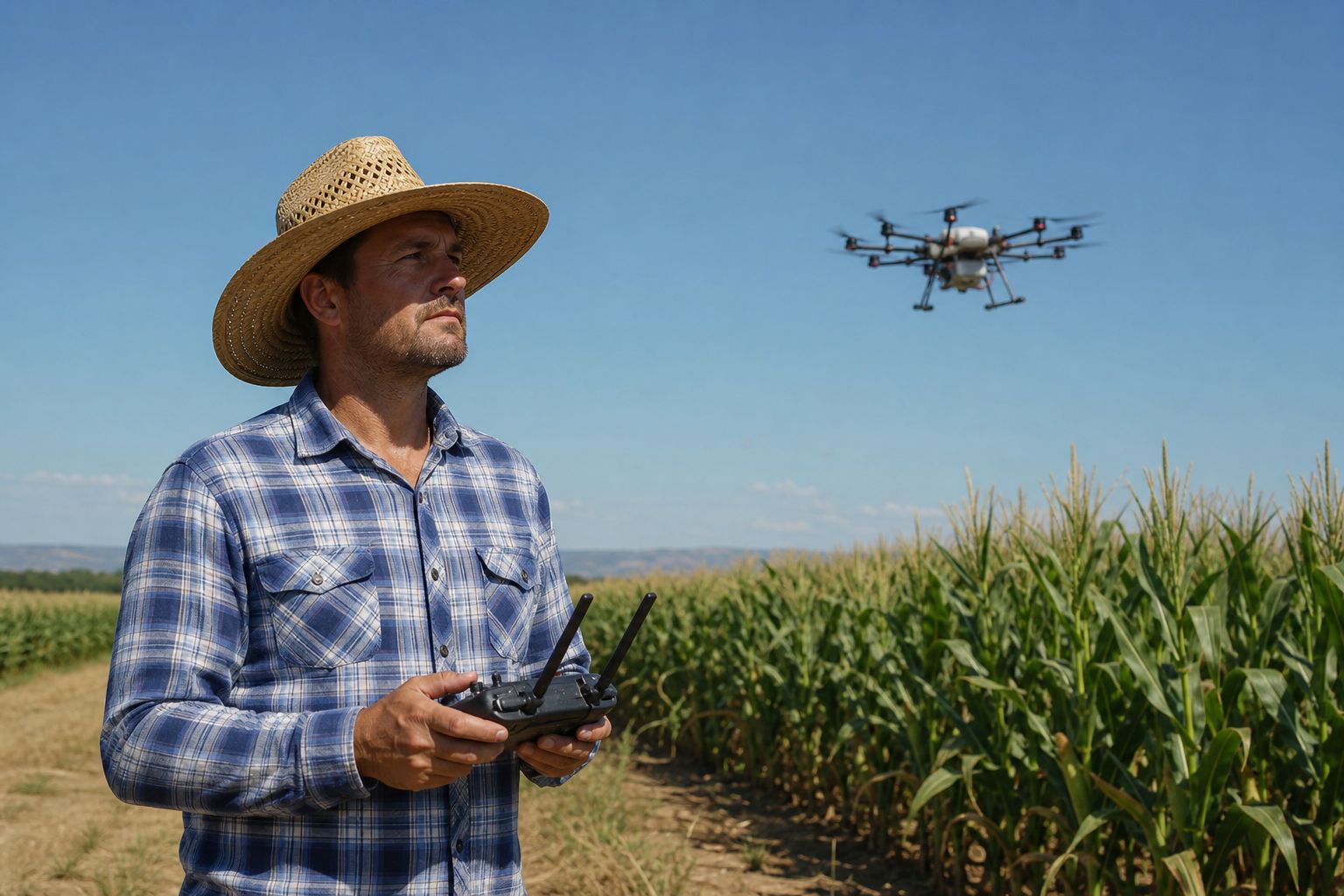
Picking the right coverage limits for your ag drone operation is not a one-size-fits-all decision. The risks you face spraying a 2,000-acre corn field are genuinely different from those of a photographer flying over a wedding. Yet a surprising number of commercial ag drone operators either over-insure in the wrong areas or, more dangerously, walk away with limits that leave them exposed when something actually goes wrong.
This guide breaks down how to think through agriculture drone insurance coverage limits so you end up with a policy that actually fits your work.
Matching Your Coverage to the Real Risks of Ag Drone Work
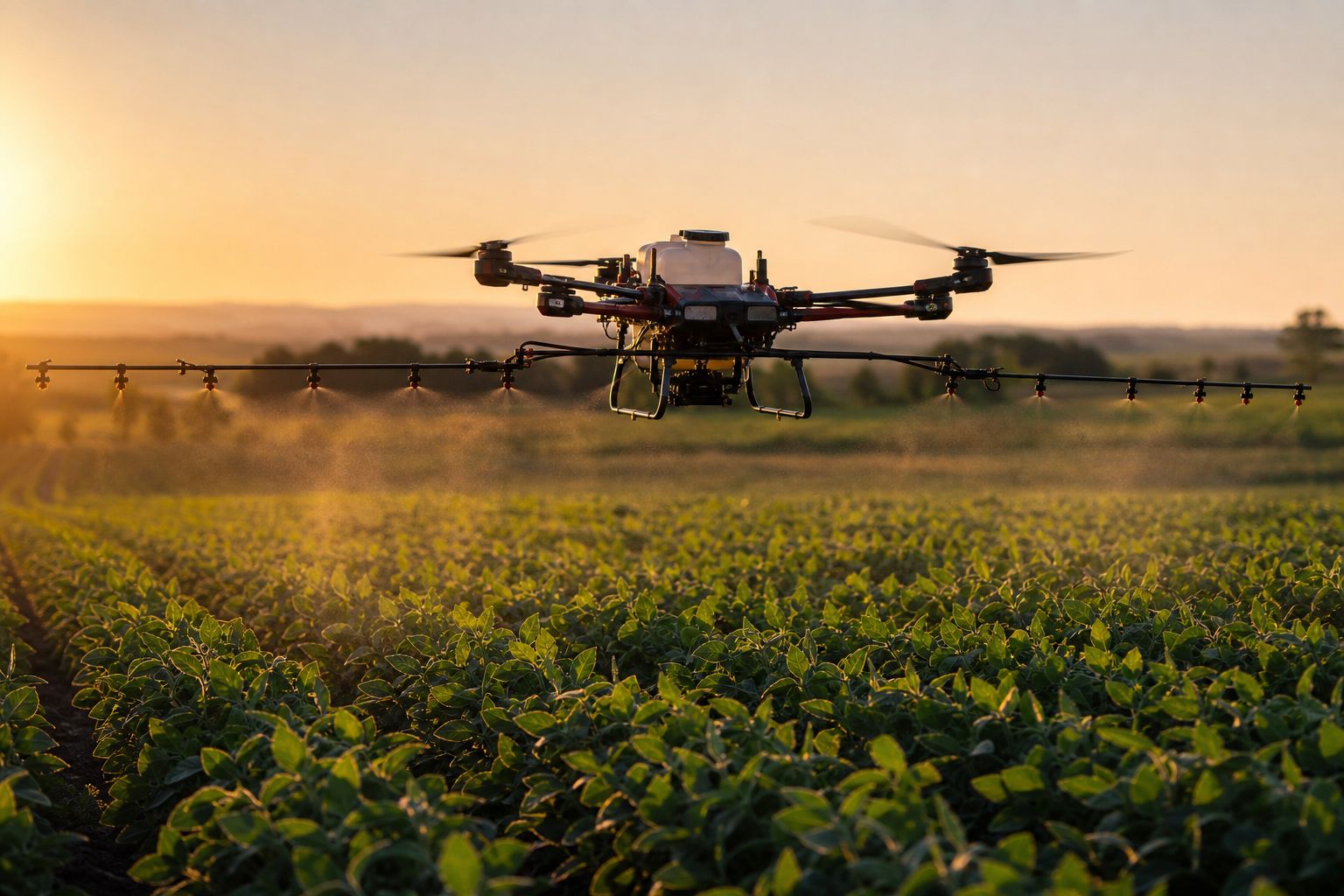
Agricultural drone work carries risks that most standard commercial drone policies were not built to handle. Chemical drift from crop spraying can damage a neighbor's fields or contaminate a water source. A flyaway over livestock can cause a stampede. Equipment failures mid-flight can drop a 50-pound spray drone directly onto property or people. These are not hypotheticals. They happen, and when they do, the claims can be large.
So when you ask how much drone insurance do I need for farming, the honest answer starts with your specific operation, not a number pulled from a brochure.
Start with liability. For most commercial ag drone operators, a minimum of $1 million in general liability is the floor, not the ceiling. If you are working near populated areas, operating under contract for large agricultural clients, or running commercial drone insurance for crop spraying on high-value specialty crops, many operators carry $2 million or more. Some grower contracts and land access agreements require it. Check your client contracts before you set your limits, because those agreements will often tell you exactly what you need to carry.
Hull coverage is the other half of the equation. This covers physical damage to the drone itself. A professional-grade spray drone can cost $15,000 to $30,000 or more. If you are financing your equipment or relying on it as your primary income tool, flying without hull coverage is a significant financial risk. Set your hull coverage to the actual replacement value of your aircraft, not a rounded-down estimate. Underinsuring your equipment to save a few dollars on premium tends to be a decision people regret at the worst possible moment.
Payload coverage is where ag drone operators often get caught off guard. The chemicals in your spray tank are not automatically covered under a standard hull policy. If your setup includes expensive application equipment or specialty nozzle systems, ask specifically about payload coverage. We work with underwriters who specialize in ag drone operations, and this is one of the most common coverage gaps they flag during policy reviews.
Ag drone liability coverage for chemical application deserves its own conversation with your insurer. Some policies include broad liability that covers chemical drift or misapplication, and others exclude it entirely. Read the exclusions. If your operation involves any kind of pesticide, herbicide, or fertilizer application, confirm in writing that your policy covers third-party property damage resulting from chemical drift. This is not a minor distinction.
Geography and operating environment also affect the right limits. Flying over open farmland with no structures nearby is a different risk profile than flying adjacent to highways, rural communities, or livestock operations. Higher-risk environments generally call for higher liability limits. It is worth discussing your specific flying zones with your insurer rather than defaulting to the minimum.
One thing that makes this easier is working with an insurer that has real experience in this space. We have issued more than 300,000 commercial drone insurance policies, and the patterns in ag drone claims are something our team knows well. Operators who take the time to accurately describe their work, their equipment, and their flying environment tend to end up with agriculture drone insurance coverage limits that actually reflect their exposure, rather than limits that look fine on paper and fall short when it counts.
If you are comparing options, look beyond the premium. Two policies priced similarly can have very different exclusions. A cheaper policy that excludes chemical application liability is not a bargain for a spray drone operator. Read the fine print, ask direct questions, and do not assume coverage exists just because the category is not explicitly excluded.
For operators still building their client base, ag drone insurance is available with flexible structures that let you scale coverage as your operation grows. If you are already running multiple aircraft or multiple operators, make sure your policy accounts for all of them. A policy written for one pilot and one drone does not automatically extend to your second aircraft or a subcontracted operator.
The right agriculture drone insurance coverage limits are the ones that match your actual operation today, with room to adjust as your work changes. Getting that right is worth more than any savings you might find by defaulting to minimum coverage.
Frequently Asked Questions
How much liability coverage do I need for agricultural drone spraying?
Most ag drone operators carrying out commercial crop spraying should carry at least $1 million in liability coverage, with many professionals opting for $2 million or more. Client contracts, land access agreements, and proximity to populated areas often dictate the minimum required. Check your contracts before setting limits.
Does standard commercial drone insurance cover chemical drift damage?
Not always. Some commercial drone insurance policies exclude damage caused by chemical application or drift. If you operate a spray drone, you need to confirm explicitly that your policy covers third-party property damage from pesticide or herbicide drift. Get that confirmation in writing before you fly.
What are the most common coverage gaps in ag drone insurance policies?
The three most common gaps are: no payload coverage for spray equipment, exclusions for chemical application liability, and policies written for a single aircraft that do not cover additional drones or subcontracted pilots. Reviewing your policy exclusions line by line with your insurer before purchasing is the best way to avoid these gaps.
How do agriculture drone insurance coverage limits compare to standard commercial drone policies?
Agriculture drone insurance coverage limits are typically set higher than standard commercial drone policies because the risks involved, including chemical drift, equipment weight, and operation over working farmland, create larger potential claims. Specialty agricultural drone insurance policies are designed to account for these specific exposures, whereas general commercial policies may not include them.
Ready to get the right coverage for your operation? Get a quote at skywatch.ai. Our nearly perfect 5-star customer support team is available to walk through your specific operation and help you set limits that actually make sense for the work you do.