Agriculture drone operators deal with a lot of variables. Weather, crop schedules, equipment changes, expanding service areas. What often gets overlooked in the middle of all that is whether their insurance policy still reflects what they're actually doing out in the field. Knowing when to update your agriculture drone insurance policy isn't just good practice. It's how you avoid finding out you're underinsured right when you need coverage most.
Life Events and Business Changes That Require a Policy Review
Most operators set up their policy at the start of the season and don't think about it again until renewal. That approach works fine if nothing changes. But in ag drone work, something almost always changes. The question is whether you're paying attention when it does.
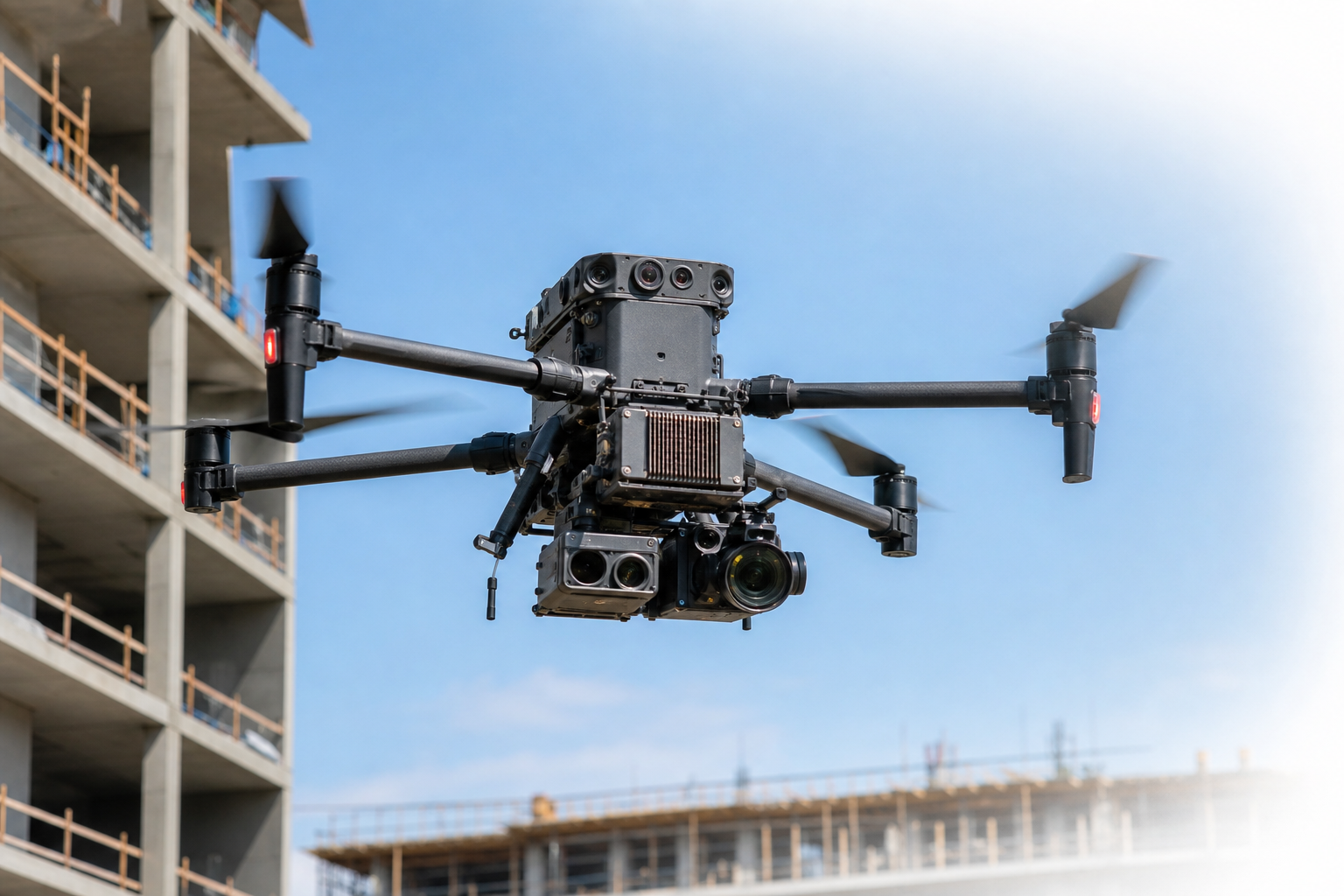
The most common trigger is equipment. Adding a new drone to an insurance policy is one of the clearest signals that an update is needed, and it's also one of the most frequently skipped steps. Whether you're upgrading to a larger spray drone, picking up a second unit for a busy stretch, or replacing a machine that was damaged, each new aircraft needs to be listed on your policy. Flying an unlisted drone and filing a claim on it is a fast way to have that claim denied. We've issued more than 300,000 commercial drone insurance policies, and gaps around unlisted equipment are one of the most common coverage problems operators run into.
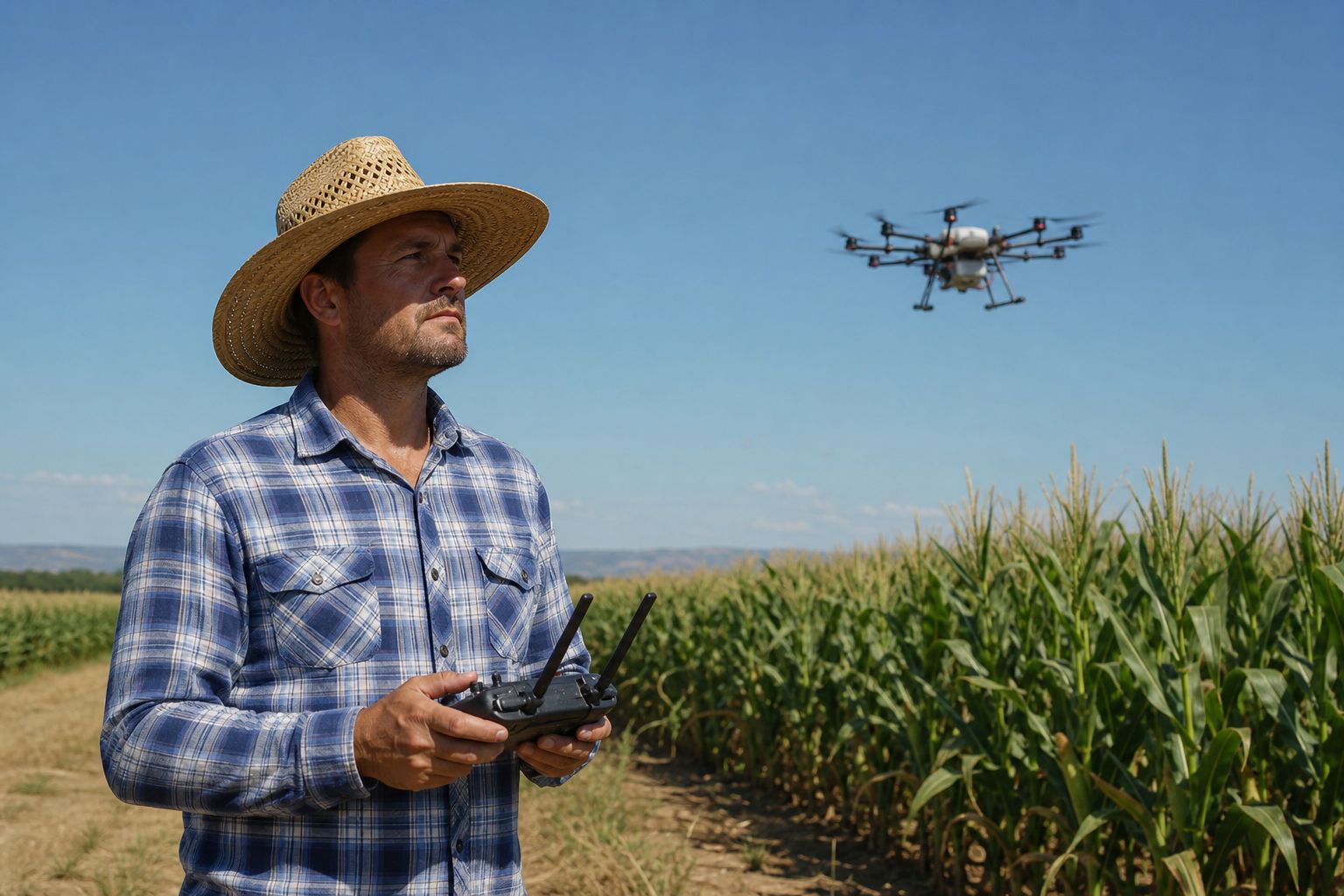
Business growth is another reason to revisit your coverage. If you started as a solo operator and you've brought on a second pilot, your policy needs to reflect that. The same goes for adding employees, contractors, or anyone else who might be at the controls. Most policies cover named pilots or require operators to list who is flying. A pilot flying under a policy that doesn't include them isn't covered, and neither are you if something goes wrong while they're in the air.
Expanding your service territory matters too. If you started in one county and you're now covering three, or if you've taken on contracts in a new state, your policy language may not extend that far. Ag drone fleet insurance changes like these are worth a conversation with your provider before you show up to a job in a new region and assume you're protected.
Contract requirements also shift the picture. Larger agricultural operations and co-ops often require vendors to carry specific liability limits or additional insured endorsements. If a new client hands you a contract with coverage requirements that exceed what you currently carry, that's a clear sign it's time to update. Waiting until the job starts to sort this out creates unnecessary delays and can cost you the contract.
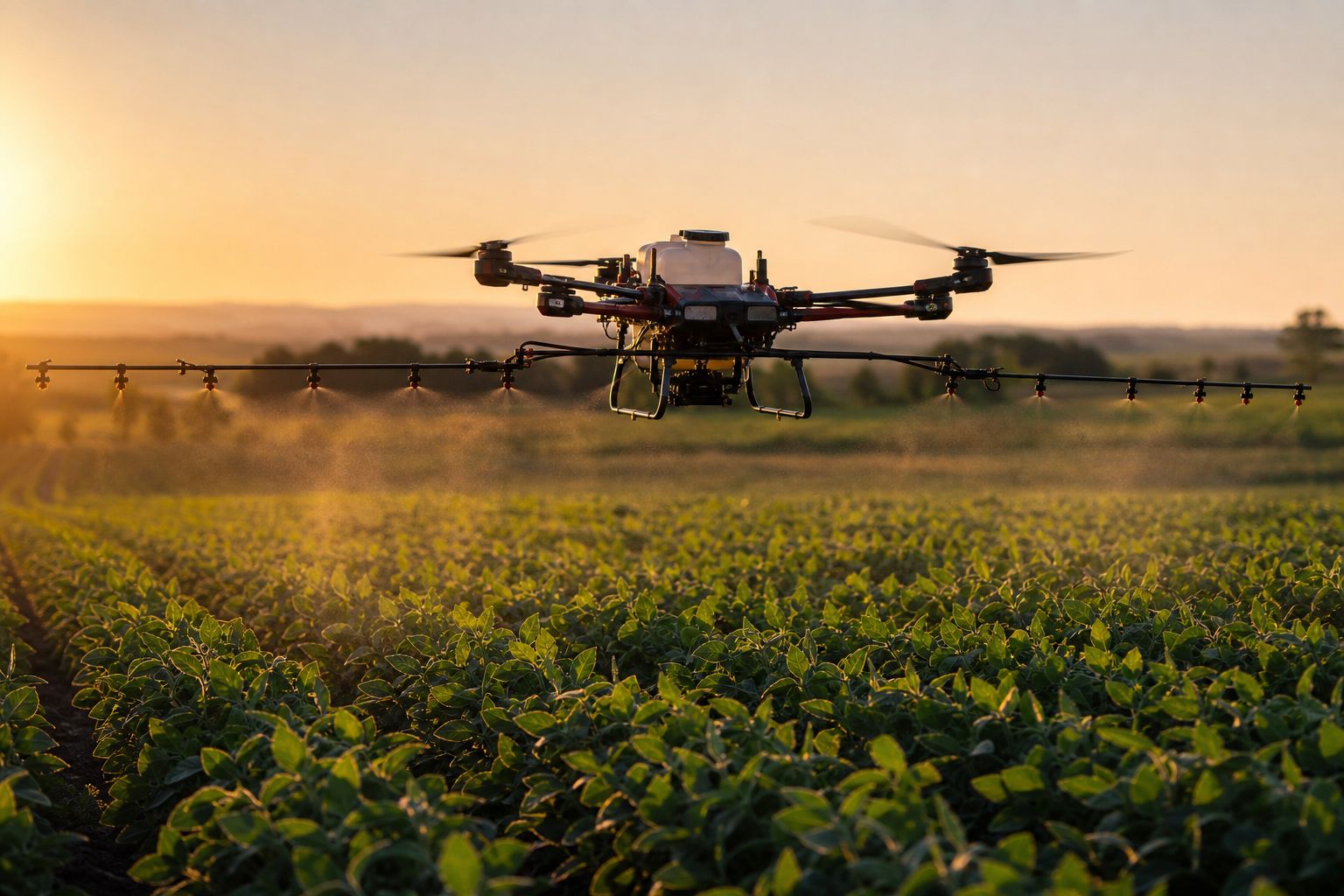
Mid-season updates are more common than people expect. A drone insurance mid-season update might be triggered by a rate change, a new aircraft purchase, a shift in the type of work you're doing, or a client requirement that comes up outside of your normal renewal window. The good news is that updating a policy doesn't have to be a production. Working with a provider that specializes in ag operations makes the process straightforward. We work with underwriters who specialize in ag drone operations, which means the people reviewing your policy understand the difference between a mapping flight and a chemical application, and they price and structure coverage accordingly.
It's also worth checking in after any incident, even minor ones. If you've had a close call, a minor equipment failure, or any situation that required a conversation with a landowner or client, review your coverage before the next job. Incidents have a way of revealing gaps that weren't obvious before.
Finally, seasonal transitions are a natural checkpoint. Before you spin up operations for spring applications or shift from one crop cycle to the next, take ten minutes to confirm your policy still fits what you're doing. Equipment, pilots, territory, payload types, liability limits. Make sure everything lines up. With agriculture drone insurance, the details matter because the risks are specific and the stakes, when something goes wrong over a field with a valuable crop, are real.
The operators who stay out of trouble aren't necessarily the most cautious fliers. They're the ones who treat their drone insurance like a living document, not a form they filled out once and filed away. Knowing when to update your agriculture drone insurance policy is part of running a professional operation, and it's a habit worth building into your workflow from the start.
Frequently Asked Questions
How much does it cost to add a new drone to an existing agriculture drone insurance policy?
The cost depends on the drone's value, its use case, and your current coverage structure. Adding a spray drone typically costs more than adding a smaller mapping aircraft because the liability exposure and equipment value are higher. Most updates can be processed quickly through your provider without requiring a full policy rewrite.
Does ag drone insurance cover chemical application flights specifically?
Standard commercial drone policies often exclude chemical or pesticide application unless that use is explicitly listed. Operators doing spray work need to confirm their ag drone insurance covers that specific application type. Policies built for agricultural drone operations typically include this, but it needs to be verified before you fly.
Can I update my drone insurance policy mid-season, or do I have to wait for renewal?
You can update your policy at any point during the coverage period, not just at renewal. A drone insurance mid-season update is standard practice when you add equipment, bring on a new pilot, or take on a client with different coverage requirements. Most providers can process changes within a short turnaround.
What happens if I fly a drone that isn't listed on my insurance policy?
Flying an unlisted aircraft is one of the most common reasons claims get denied. If the drone involved in an incident isn't on your policy, your insurer has grounds to reject the claim entirely. Ag drone fleet insurance changes, including adding new aircraft, should happen before that drone leaves the ground on a job.
Ready to make sure your coverage matches what you're actually doing in the field? Get a quote at skywatch.ai.