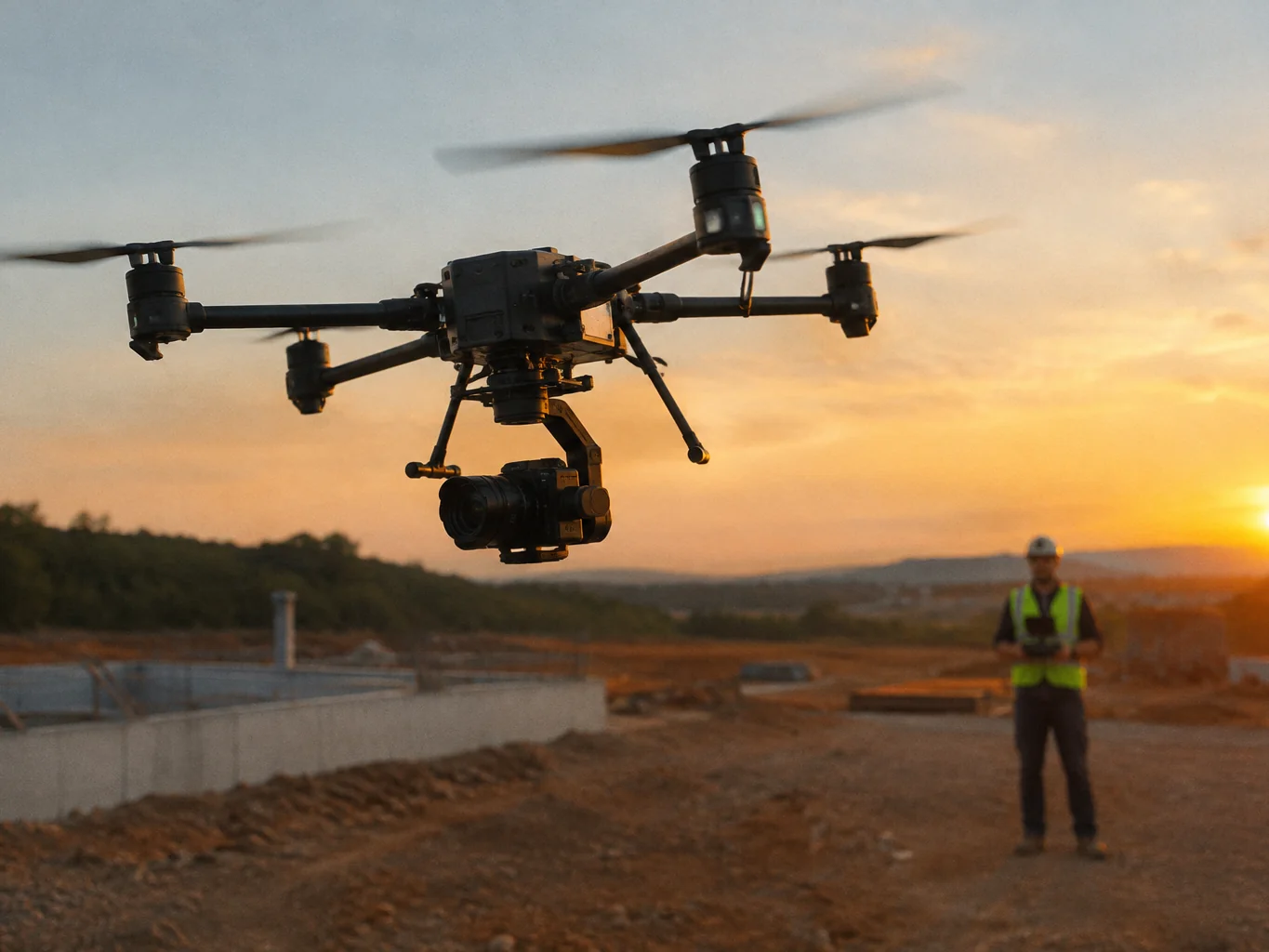
Event drone work is some of the most exciting commercial flying out there. Weddings, festivals, corporate gatherings, real estate showcases, you name it. But it also puts your liability exposure at its highest. And a lot of operators find out too late that their standard policy has more gaps than they realized.
We talk to drone operators every week who get hired for an event, buy coverage on the spot, and assume they're good to go. Sometimes they are. Sometimes there's a coverage exclusion buried in the fine print that would have changed how they approached the whole job.
Here's what you actually need to know before your next event flight.
How much liability coverage is enough?
The question operators ask most often is how much liability to carry for an event. The honest answer: it depends on who hired you and where you're flying.
For a small private gathering with under 100 people, $1 million in liability is usually the floor. Most event organizers, venues, and production companies now ask for $2 million as their minimum. If you're flying at a large public event, a municipality, a stadium, or near critical infrastructure, requirements can jump to $5 million or more. Telecom tower inspections, for example, routinely require $10 million in coverage.
The safest approach before any event job is to ask your client directly: what does your venue or contract require? Get that number before you buy coverage, not after.
The additional insured question
Most clients will ask you to name them as an additional insured on your policy. This is standard practice and it protects both sides. When you add a client as an additional insured, your policy extends to cover claims that involve them if something goes wrong during your operation.
Not every policy makes this easy. Some annual plans include it automatically or for a small fee. With on-demand drone insurance, you can typically add additional insureds when you set up coverage for that specific job. Make sure you know how your policy handles this before you're on-site and the client is asking for paperwork.
Flying over people: the exclusion operators miss
This one catches operators off guard more than almost anything else. Many standard drone insurance policies exclude claims that arise from operations conducted outside FAA rules. Flying over people without proper Part 107 waivers or the right drone certification falls into that category.
If you're flying at an event with crowds and your drone comes down, your insurer may deny the claim on the grounds that you weren't operating legally at the time. The FAA has specific rules about flight over people, and they're stricter for events than for most other commercial operations.
Before you take an event job that involves flying over or near a crowd, confirm two things. First, that you're operating within Part 107 rules or have the right waiver. Second, that your policy doesn't carve out coverage for operations that violate FAA regulations. These are different questions, and both matter.
On-demand coverage for event work
Annual policies are built around regular, predictable flying. If you take event jobs occasionally rather than as your primary work, an annual policy may leave you paying for coverage you don't need most of the year.
On-demand drone insurance lets you buy coverage for the specific hours you need it, tied to a specific job. For event work, this often makes more financial sense. You set your coverage limits for that flight window, add your additional insureds, and you're covered for that job without carrying an annual commitment.
The tradeoff is remembering to buy it each time. Missing coverage on a job where something goes wrong creates a problem that no retroactive purchase can fix.
What the certificate of insurance covers
When a client asks for your COI before an event, they're asking for proof that your coverage is real and current. The certificate will show your policy limits, effective dates, and who's listed as additional insured.
One thing to check: make sure the coverage dates on your COI actually match your event date. This sounds obvious, but operators who buy on-demand coverage sometimes generate a certificate that covers different hours than what they fly. Pull the document, read the dates, and confirm it lines up before you show up on site.
Frequently asked questions
Do I need separate insurance for every event I fly?
Not necessarily. If you have an annual policy with the right coverage limits, it may cover event work throughout the year. The main consideration is whether your policy allows you to add additional insureds per job and whether it covers the operation type you're performing at the event.
Can I add a venue as an additional insured on the day of the event?
With most on-demand policies, yes. With some annual policies, you may need to contact your insurer in advance. Don't wait until you're in the parking lot to figure this out. Handle it at least 24 hours before the job.
Does my drone insurance cover injury to people at the event if something goes wrong?
Liability coverage typically includes bodily injury to third parties. But if the claim arises from an operation that violated FAA rules, such as unauthorized flight over people, your insurer may deny it. Your legal compliance and your coverage go hand in hand.
What liability limit do event organizers typically require?
Most professional event clients require at least $1 million, with $2 million becoming increasingly common. Larger venues, municipalities, and corporate clients often require $2 to $5 million. Always ask what the contract specifies before purchasing coverage.
What happens if I forget to buy on-demand insurance before an event job?
You fly uninsured, which means any claim that comes from that job is entirely on you. There's no way to purchase coverage retroactively after a loss. If you take event work regularly, consider whether an annual policy with the right limits makes more sense than relying on remembering to buy per-job coverage each time.