You just landed a commercial drone job. The client asks for a certificate of insurance before the shoot. You have three days.
This scenario plays out constantly for freelance drone operators. You passed your Part 107, you have the gear, and the work is there. But without active drone insurance, you cannot legally fulfill the contract. And if you try to rush through a policy you do not understand, you might end up with coverage that does not actually protect you.
Here is what you actually need to know before your next client job.
Why clients ask for a certificate of insurance
A certificate of insurance (COI) is proof that you carry active liability coverage. Most commercial clients, property managers, event organizers, and production companies require one before a drone operator sets foot on site. Some specify minimum limits, like $1 million or $2 million in general liability. Others ask to be listed as an additional insured on your policy.
This is not bureaucratic noise. It is how clients protect themselves from liability if something goes wrong during your flight. A camera falls. A drone clips a structure. Someone files an injury claim. Without that COI, the client is exposed, and so are you.
What commercial drone liability insurance actually covers
A standard commercial drone insurance policy includes two core protections:
Third-party liability: If your drone damages property or injures someone, this covers the legal and financial costs. Most client contracts require at least $1 million in liability coverage.
Hull coverage: This protects your drone itself against physical damage during a flight. It is separate from liability and worth having if your equipment is your livelihood.
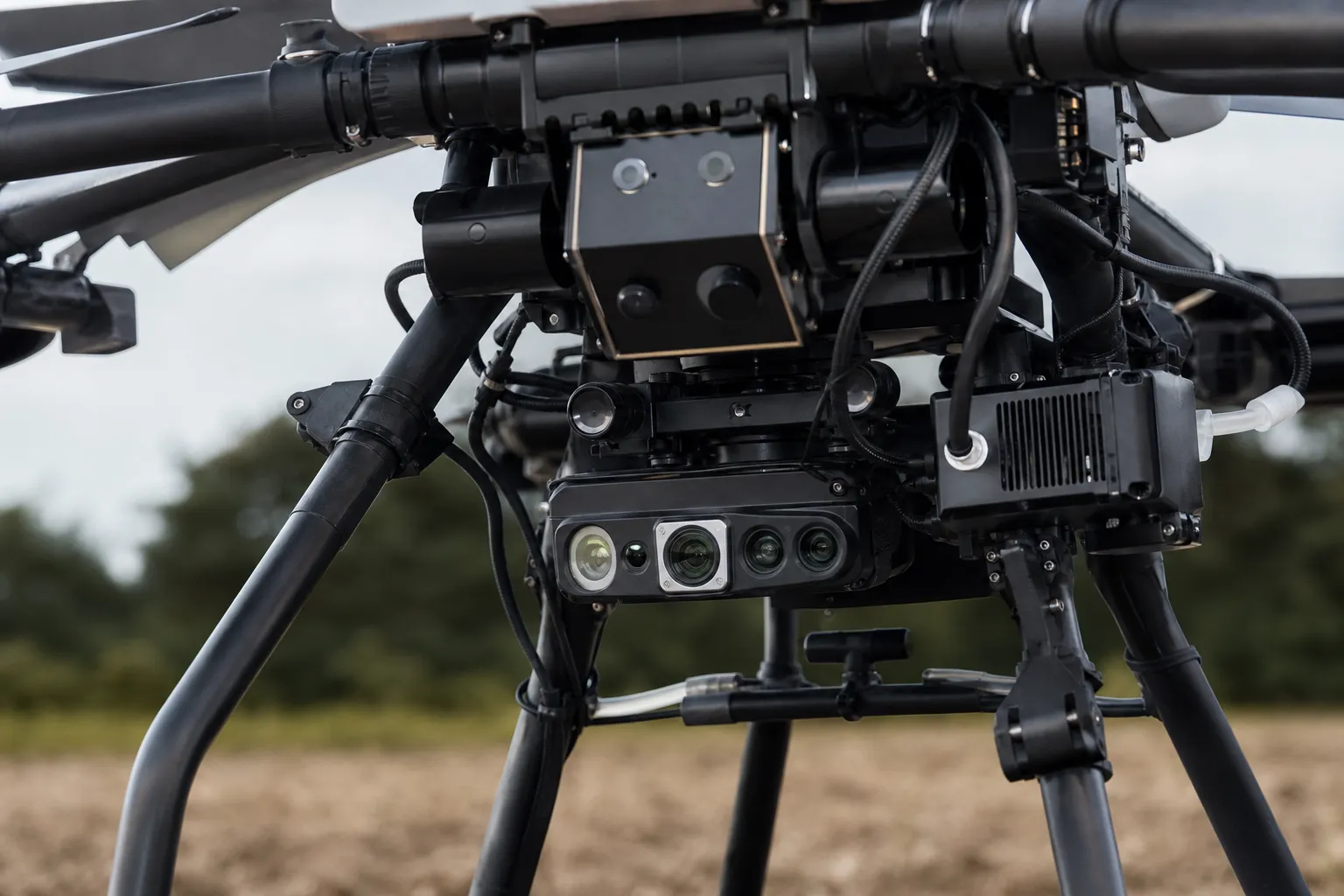
Some policies also include payload coverage, personal injury protection, and coverage for subcontracted work. If you are flying under someone else's contract, check whether you need to be named separately or whether their policy covers you as an operator.
On-demand insurance is built for freelance work
Annual aviation insurance policies made sense when drone work was predictable and year-round. For freelancers who fly a few jobs a month, paying for 365 days of coverage when you fly 30 is a hard sell.
On-demand drone insurance lets you activate coverage by the hour, day, or month. With SkyWatch, you can get active coverage and a downloadable certificate in under five minutes from your phone. No annual commitment, no underwriting delay, no office hours required.
If a client sends a contract on Tuesday for a Friday shoot, you are not scrambling. You get covered when you need it and pay only for what you use.
What to check before accepting a commercial job
Before you say yes to any paid drone job, run through this quickly:
Check the liability minimum in the contract. If the client requires $1 million in coverage, make sure your policy matches or exceeds that limit. Check whether the client wants to be listed as an additional insured. This is a specific endorsement, not just a COI. Confirm your operational area is covered. Flying over a public event or near an airport may require additional authorization or a specific policy type. Verify your equipment is covered for the job. If you are using a specialized payload, check that it is included.
You do not need to wait
Getting covered as a freelance drone operator no longer requires paperwork, waiting periods, or annual minimums. With SkyWatch, you activate the coverage you need, generate your certificate, and get to work.
If a client is asking you for proof of insurance right now, you can have it today.