Does Your Drone Hull Insurance Actually Cover What You Think It Does?
You bought liability coverage. You passed your Part 107. You have a certificate of insurance ready to send to clients. But if your $15,000 mapping drone falls out of the sky tomorrow, does your policy pay to replace it?
For a lot of commercial operators, the answer is no. And most of them find out the hard way.
Liability vs. hull: what each one actually does
Liability coverage is what pays when your drone damages someone else's property or injures a person. Clients require it. FAA compliance may depend on it. Most commercial drone insurance policies lead with it.
Hull coverage is different. It pays for physical damage to your drone: crashes, hard landings, flyaways, and in some cases theft. Without it, you absorb the full cost of repairing or replacing the aircraft yourself.
The two are separate. Having one does not mean you have the other.
What hull insurance actually covers (and what it does not)
A standard hull policy covers physical damage caused by accident: a hard crash during a roof inspection, a motor failure on a wind turbine survey, a flyaway you could not prevent. Most policies cover this on an agreed-value or actual cash value basis.
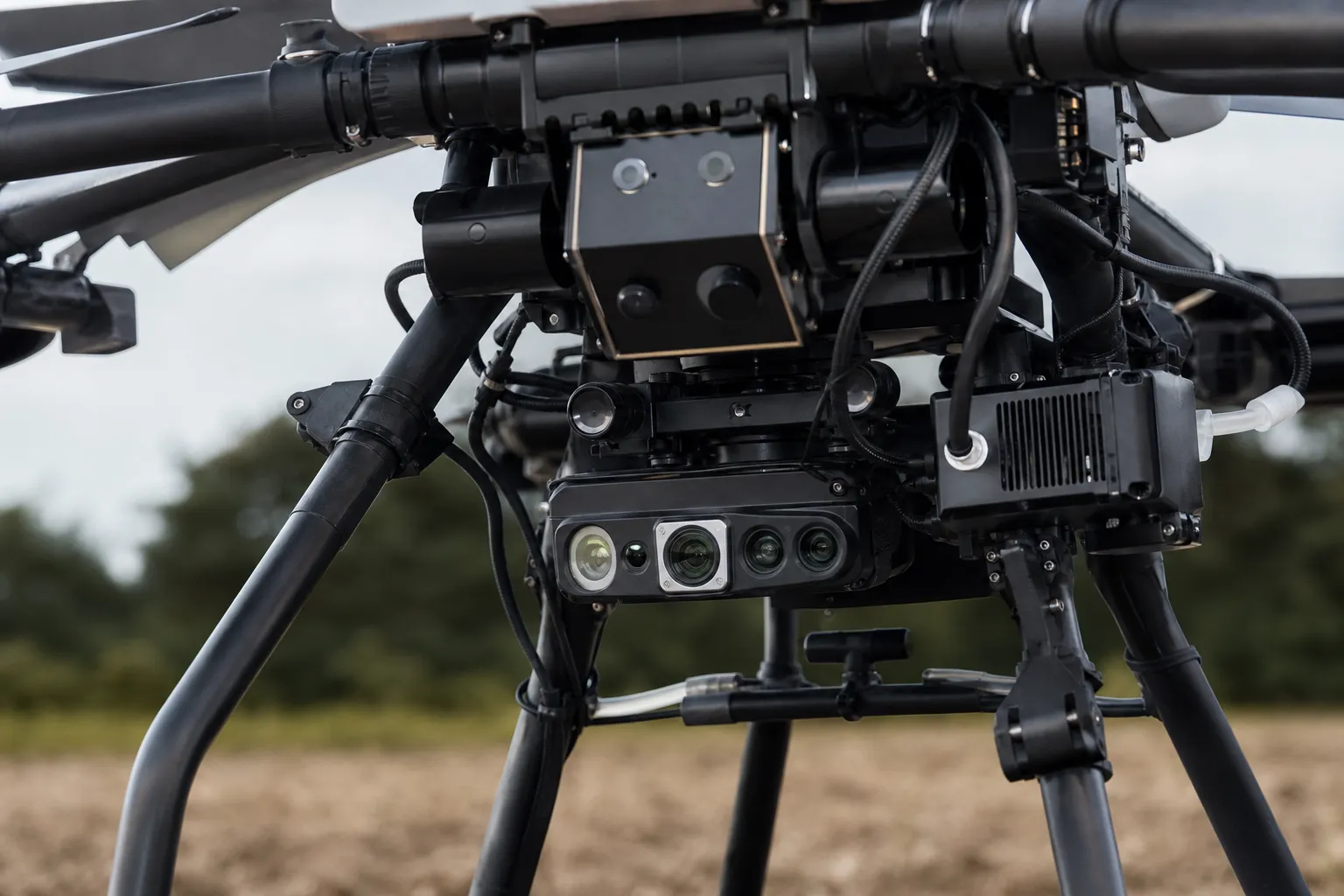
What is typically excluded: intentional damage, wear and tear, pre-existing conditions, and sometimes theft, depending on the policy terms. Payloads like LiDAR sensors and thermal cameras are usually not included in the hull value unless you declare them separately. If you fly with $8,000 worth of sensors attached to a $12,000 airframe, your hull limit needs to reflect both.
When hull coverage is worth it
If you fly a consumer-grade drone under $1,500, the math on hull insurance is harder to justify. Premiums can run 10 to 15 percent of the insured value annually, and you might spend more on coverage than the drone costs to replace.
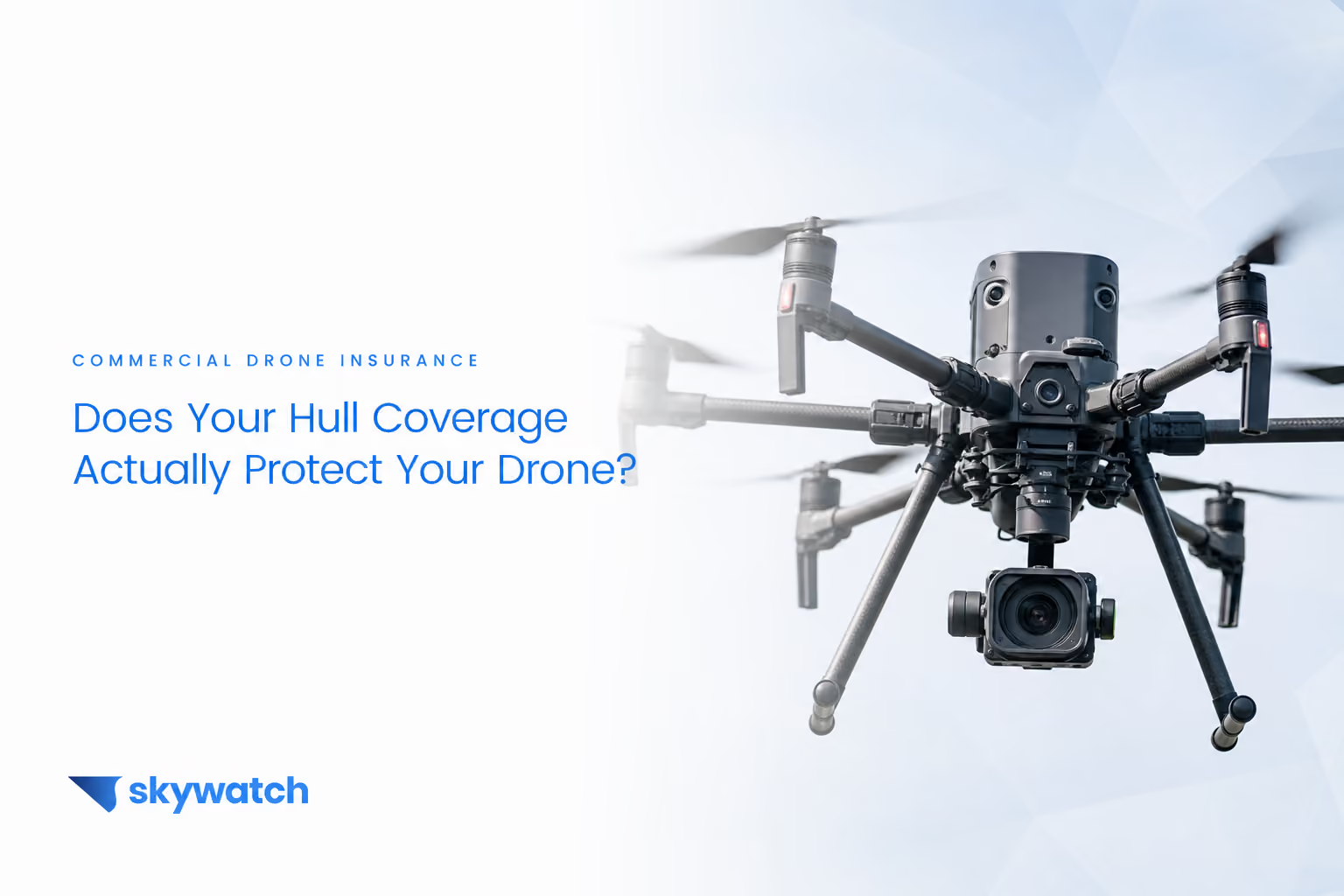
For commercial operators flying high-value platforms such as a DJI M300, Matrice 350, or purpose-built mapping and inspection drones in the $10,000 to $30,000 range, the calculus shifts. One flyaway or one hard crash can wipe out months of project revenue. Hull coverage converts that into a manageable deductible and a claim.
Theft is another factor operators underestimate. If your drone is stolen from a job site or a vehicle, liability-only coverage does nothing. Hull coverage with theft protection means you are not starting from zero.
How SkyWatch handles hull coverage
SkyWatch commercial drone insurance lets you add hull coverage directly to your policy, monthly or on-demand, without committing to a year-long contract if your flight schedule does not call for it. You set the insured value to match your actual equipment, including payload if applicable. The process takes minutes through the app.
For operators who fly intermittently, the on-demand option means you can activate hull coverage for a specific job and let it lapse when you are not flying. For those with steady commercial work, a monthly policy keeps you covered without per-flight overhead.
If your current policy only includes liability, it is worth taking ten minutes to review what replacing your aircraft would actually cost. That number, compared to what hull coverage runs per month, usually makes the decision straightforward.
You can get an instant quote at SkyWatch and add hull coverage in the same flow. No broker call required.