If you've ever tried to figure out what non-owned aircraft insurance costs, you've probably come away more confused than when you started. Some pilots pay $200 a year. Others pay $800. And some skip it entirely because the flight school "has insurance." The reality depends on a few factors worth understanding before you buy.
What you're actually buying
Non-owned aircraft insurance covers two things: liability and physical damage to the aircraft. Liability protects you if someone gets hurt or property gets damaged. Physical damage (hull) covers repairs to the aircraft you rented.
A liability-only policy typically runs $150 to $250 per year. Add hull coverage at $50,000 or more and you're looking at $400 to $800 annually, depending on your experience and the aircraft.
What drives the price
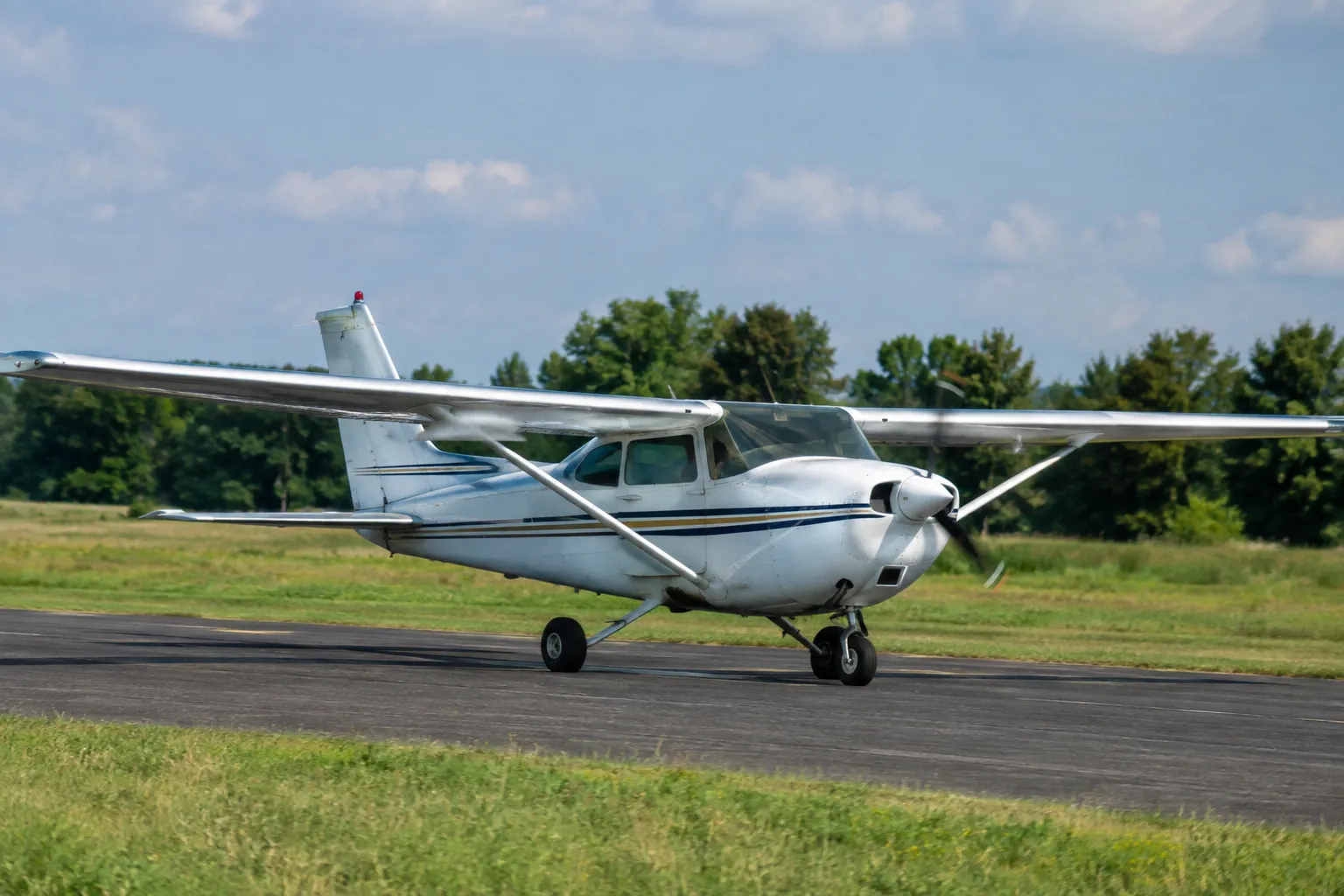
Total flight hours matter most. A student pilot with 40 hours pays more than a private pilot with 300 hours for identical limits. Aircraft type factors in too. A Cessna 172 carries a different risk profile than a newer Cirrus, and your hull limits need to reflect actual aircraft value.
The coverage period changes what you pay as well. Annual policies are most cost-effective for regular flyers. Monthly coverage works during an intensive training block. Daily coverage suits pilots who fly a few times a year. SkyWatch lets you pick the period that fits your actual schedule.
How much to carry
At minimum, carry enough hull coverage to cover the flight school's deductible. Many schools now require $50,000 or more for newer aircraft. For liability, $1 million per occurrence with $100,000 per passenger is standard and worth carrying regardless of whether your school requires it.
One thing that trips pilots up: the flight school's insurance does not cover you personally. Their policy protects them. If you're found liable for damage or injury, you're exposed without your own aircraft renters insurance. Their insurer can also pursue you through subrogation to recover what they paid out.
Students and CFIs
Student pilots often assume their coverage needs are minimal. That's not accurate. You're operating aircraft you don't own and you're still liable for your actions. The cost of student pilot insurance is low, and there's no good reason to go without it.
CFIs face a different problem. If you're instructing in an aircraft owned by a student or third party, the owner's policy likely doesn't protect you. CFI insurance covers you specifically as an instructor flying non-owned aircraft, with daily, weekly, monthly, or annual options.
Frequently asked questions
How much does non-owned aircraft insurance cost per year?
Liability-only runs $150 to $250 annually. Add hull coverage and expect $400 to $800 depending on your experience and aircraft type. Daily and monthly options are available if an annual policy doesn't fit your schedule.
Do I need my own insurance if my flight school has coverage?
Yes. The school's policy protects the school, not you. If you cause damage or injury, you're personally liable without your own policy. Their insurer can also come after you through subrogation to recover what they paid.
Does non-owned aircraft insurance cover student pilots?
Yes. Coverage is available for anyone flying aircraft they don't own, including students in training. Daily, monthly, or annual options are available depending on your flight schedule and school requirements.
What's the difference between liability and hull coverage?
Liability pays for damage or injury to third parties. Hull pays for damage to the rented aircraft. Schools typically require hull coverage up to their deductible so they're not left covering the loss.
Can CFIs get non-owned aircraft insurance through SkyWatch?
Yes. SkyWatch offers coverage for CFIs flying aircraft they don't own, with options by the day, week, month, or year. CFI policies are priced separately from standard renter policies.