Passing your Part 107 exam is a real accomplishment. You studied, you showed up, and you cleared a genuinely challenging test. The certificate feels good to hold. But if your goal is to actually get paid for drone work, there is one step most new pilots skip that can cost them their first client before the flight even happens.
You need commercial drone insurance in place before you accept any payment for a job.
This is not about legal technicality. It is about how commercial clients actually operate, and what happens when something goes wrong on your first real gig.
Why Your Part 107 Is Not Enough on Its Own
The FAA Part 107 certification means you are legally authorized to fly drones commercially in the US. It does not mean you are covered if something goes wrong. Those are two completely separate things.
When you fly for a paying client, whether that is a real estate agency, a construction company, or a roofing contractor, you are taking on financial liability. If your drone damages property, injures someone, or causes a car accident by distracting a driver, you are responsible as the operator. Without insurance, that responsibility comes directly out of your pocket.
The FAA does not require commercial drone operators to carry insurance. But your clients almost certainly will.
What Clients Actually Ask For
Most professional clients, especially in construction, real estate, and infrastructure inspection, require proof of insurance before they will let you on site. That proof comes in the form of a Certificate of Insurance, or COI.
A COI is a one-page document generated by your insurance provider that lists your coverage type, limits, and policy dates. Clients may also ask to be named as an additional insured, which is standard practice in commercial work.
If you cannot produce a COI quickly, you will lose jobs to pilots who can. This is not a rare edge case. It is how most commercial drone engagements work once you move past hobbyist gigs into professional territory.
The Coverage You Actually Need
There are three core types of coverage worth understanding when you are starting out:
Liability insurance covers third-party bodily injury and property damage. This is the foundational coverage most clients require. Limits typically start at $1 million per occurrence. Some clients, particularly in construction or events, may ask for $2 million or more.
Hull coverage covers physical damage to your drone itself. If your aircraft is lost, stolen, or damaged during a flight, hull coverage protects the asset. For professional-grade equipment in the $2,000 to $15,000 range, this matters.
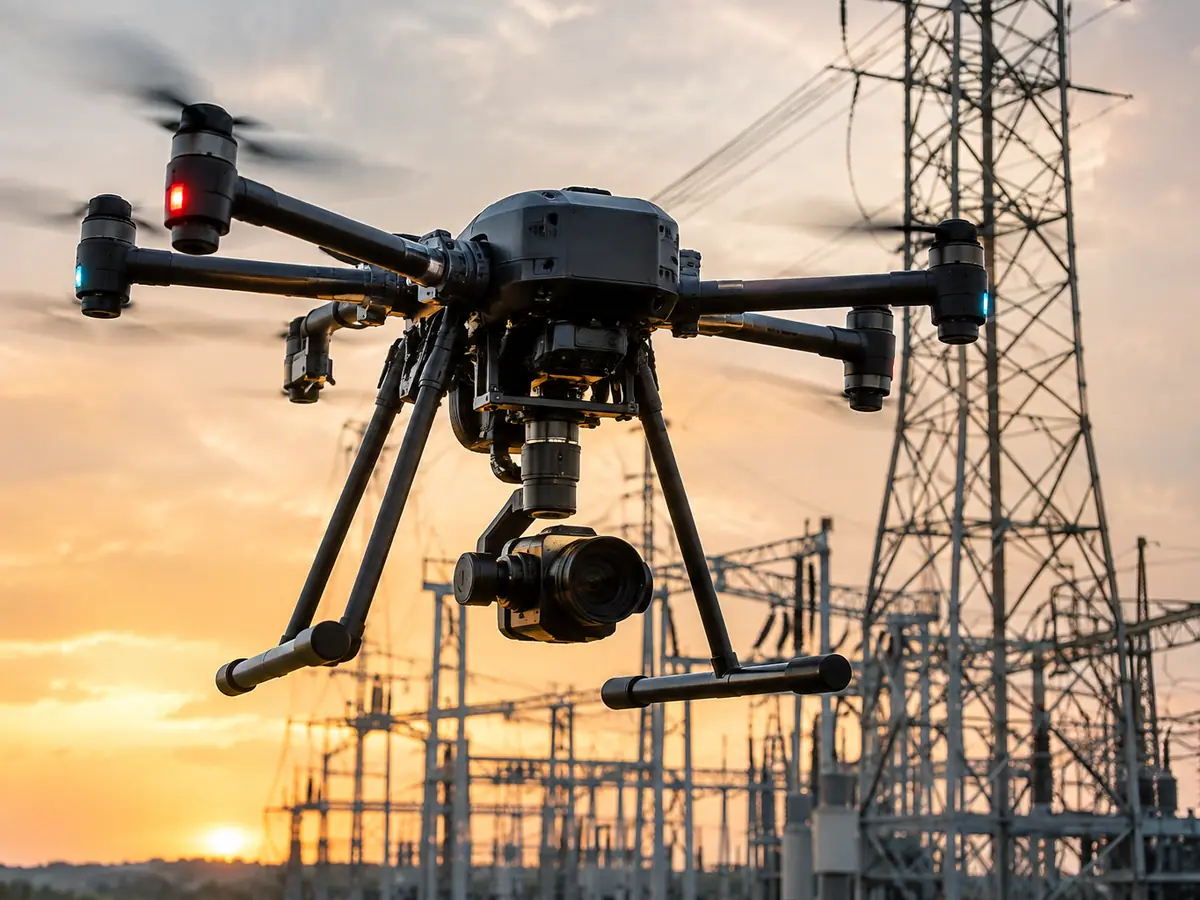
Payload coverage applies to the camera or sensor attached to your drone. Many standard policies do not automatically include payload. If you are flying with a thermal camera, a LiDAR unit, or a cinema-grade camera, you want to confirm that payload is covered separately or verify it is included in your policy.
What SkyWatch Makes Easier
One of the most common frustrations we hear from newly certified pilots is the gap between when they land a job and when they can actually fly it. Traditional insurance processes involve phone calls, underwriting delays, and waiting days or weeks for policy documents.
SkyWatch is built differently. You can get a commercial drone insurance policy in minutes, generate your COI on demand, and add clients as additional insureds without a phone call. That flexibility matters when a client asks for proof of insurance on a Tuesday afternoon for a shoot on Wednesday morning.
SkyWatch is also 100% MOSAIC-ready, meaning our policies are built for the way drone regulations are evolving in 2026, not how they worked five years ago.
A Simple Checklist Before Your First Job
Before you accept payment for any commercial drone flight, run through these four items:
- Active liability insurance policy with at least $1 million in coverage
- Ability to generate a COI quickly, ideally same day
- Hull coverage for your aircraft if it is worth more than you can afford to replace out of pocket
- Payload coverage confirmed if you are flying with specialized equipment
Getting insured is not the end of your setup process. But skipping it can end an opportunity before it starts. The pilots who build reliable commercial drone businesses treat insurance as a basic operational requirement, not an afterthought.
If you are ready to get covered, SkyWatch makes it straightforward. Get your policy today at skywatch.ai.