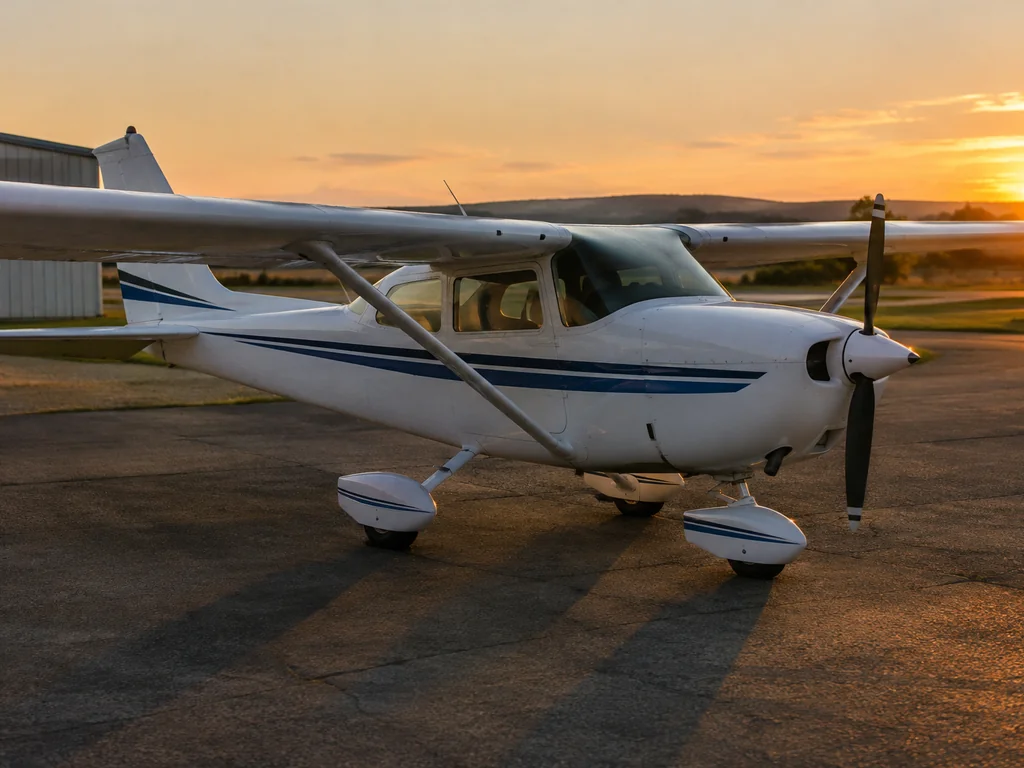
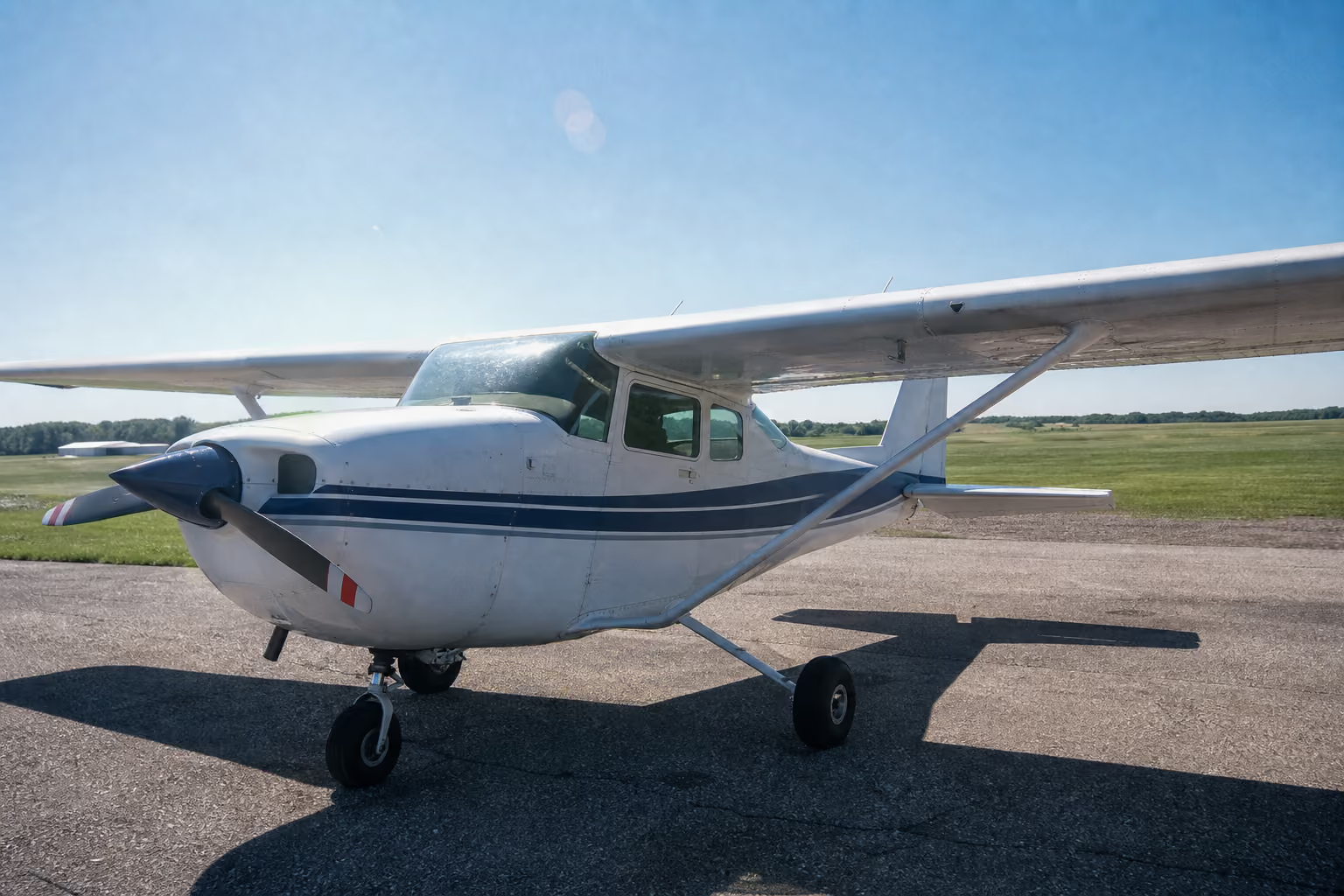
The Cessna 172 is the most widely flown aircraft in history. If you own one, you already know there's no shortage of costs to manage. Insurance is the one line item that most pilots either rush through or get wrong the first time. This guide covers what you actually need to know before you buy a policy.
Why insurance matters for Cessna 172 owners
The 172 is approachable, forgiving, and flown by everyone from students to seasoned private pilots. But approachable doesn't mean risk-free. A gear-up landing, a bird strike, or a runway incursion can total a $100,000 aircraft in seconds. And if someone is injured or third-party property is damaged, you're personally liable without coverage.
Beyond the legal exposure, most lenders require hull insurance if the aircraft is financed. Many airports and flight schools require minimum liability limits before they'll let you operate from their facilities. Even if neither applies to you, the cost of going uninsured is simply not worth it against what you'd pay in annual premiums.
For Cessna 172 owners specifically, single-engine aircraft insurance is available at competitive rates because the 172 has a strong safety record and is well understood by underwriters.
Types of coverage available
Aviation insurance isn't one-size-fits-all. There are two main components to any aircraft owner policy, plus a few options worth knowing about.
Liability coverage pays when you're responsible for injuring someone or damaging their property. It's usually structured as a per-occurrence limit with a sub-limit per passenger. A standard baseline for a 172 owner is $1 million per occurrence with $100,000 per passenger. Higher limits are available and may be required depending on where you fly and what you do with the aircraft.
Hull coverage (also called physical damage) pays to repair or replace your aircraft if it's damaged or destroyed. This includes crashes, hard landings, hangar rash, ground damage, theft, and in some cases weather events. Hull coverage is based on the agreed or stated value of the aircraft, not market value at the time of loss.
In-motion vs. not-in-motion hull: Some policies split hull coverage into in-motion (aircraft operating or taxiing) and not-in-motion (tied down, in the hangar). If cost is a constraint, not-in-motion-only policies are available at lower premiums, but they won't cover damage from an accident in the air or during taxi.
Medical payments coverage pays for medical expenses for passengers injured in an accident, regardless of fault. Limits are typically modest ($1,000 to $10,000 per person) and it's designed to cover immediate medical costs without waiting for liability to be established.
If you ever rent your 172 out to other pilots or let a CFI use it for instruction, make sure your policy explicitly covers those uses. Many standard owner policies exclude commercial operations or instruction without a specific endorsement.
What affects your premium
Underwriters price Cessna 172 policies based on a fairly consistent set of factors. Understanding them helps you anticipate what you'll pay and where there's room to bring costs down.
Flight hours is the biggest factor. A pilot with 200 total hours pays more than one with 1,000. Time in type matters too. Insurers want to see hours specifically in the 172 or similar single-engine aircraft, not just total logged time. A general rule from the pilot community: 25 hours in type tends to be the threshold where coverage becomes more accessible.
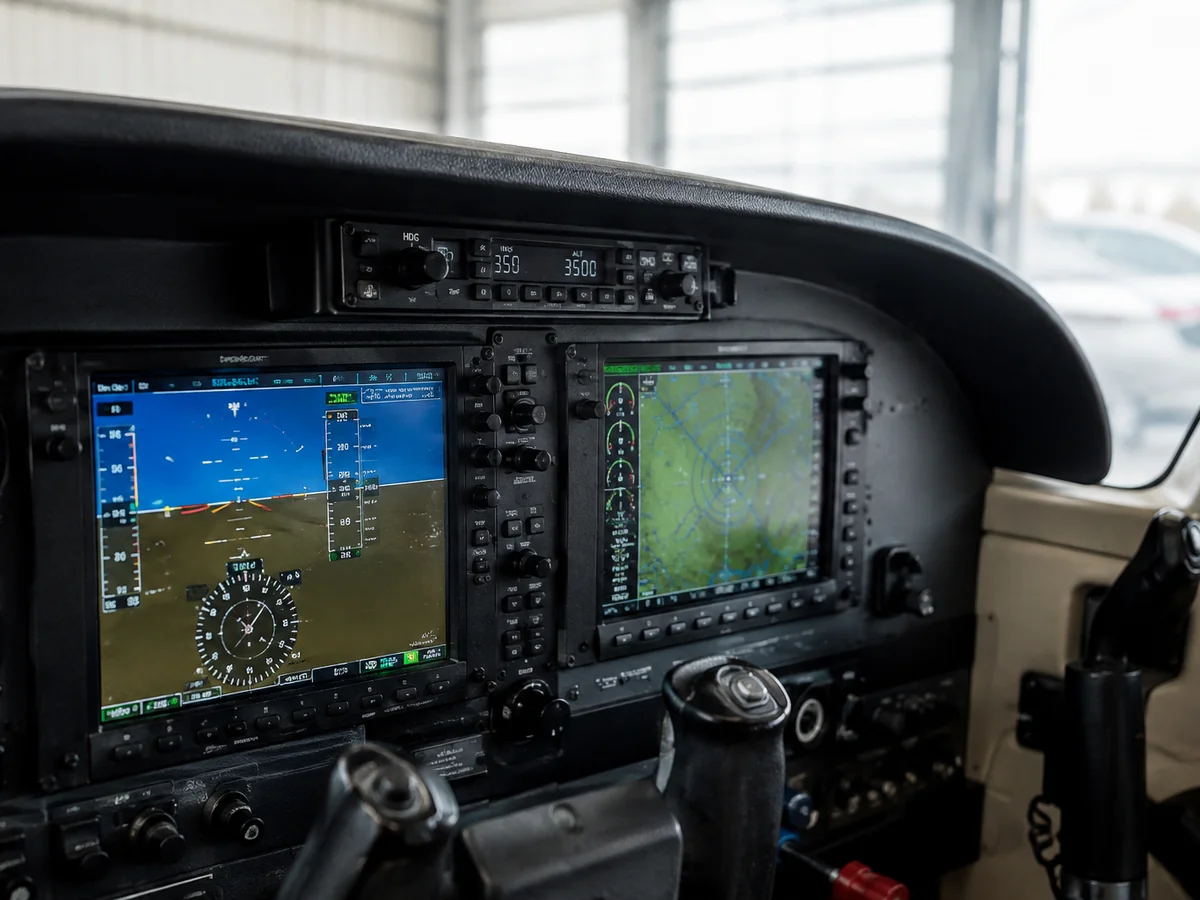
Ratings and certificates reduce premiums. An instrument rating typically lowers your rate, even if you fly VFR most of the time. It signals to insurers that you've invested in additional training. A commercial certificate has a similar effect.
Aircraft value directly affects hull premiums. A 172 priced at $40,000 costs less to insure than one valued at $140,000. Make sure your stated value is accurate and current. Underinsuring means you won't recover the full replacement cost after a loss.
Use of the aircraft changes your risk classification. Personal pleasure flying sits in the lowest risk category. Adding flight instruction or rental operations raises the premium, sometimes significantly. One example from the pilot community: the jump from personal-use to instruction coverage on a $140,000 hull added roughly $4,000 per year.
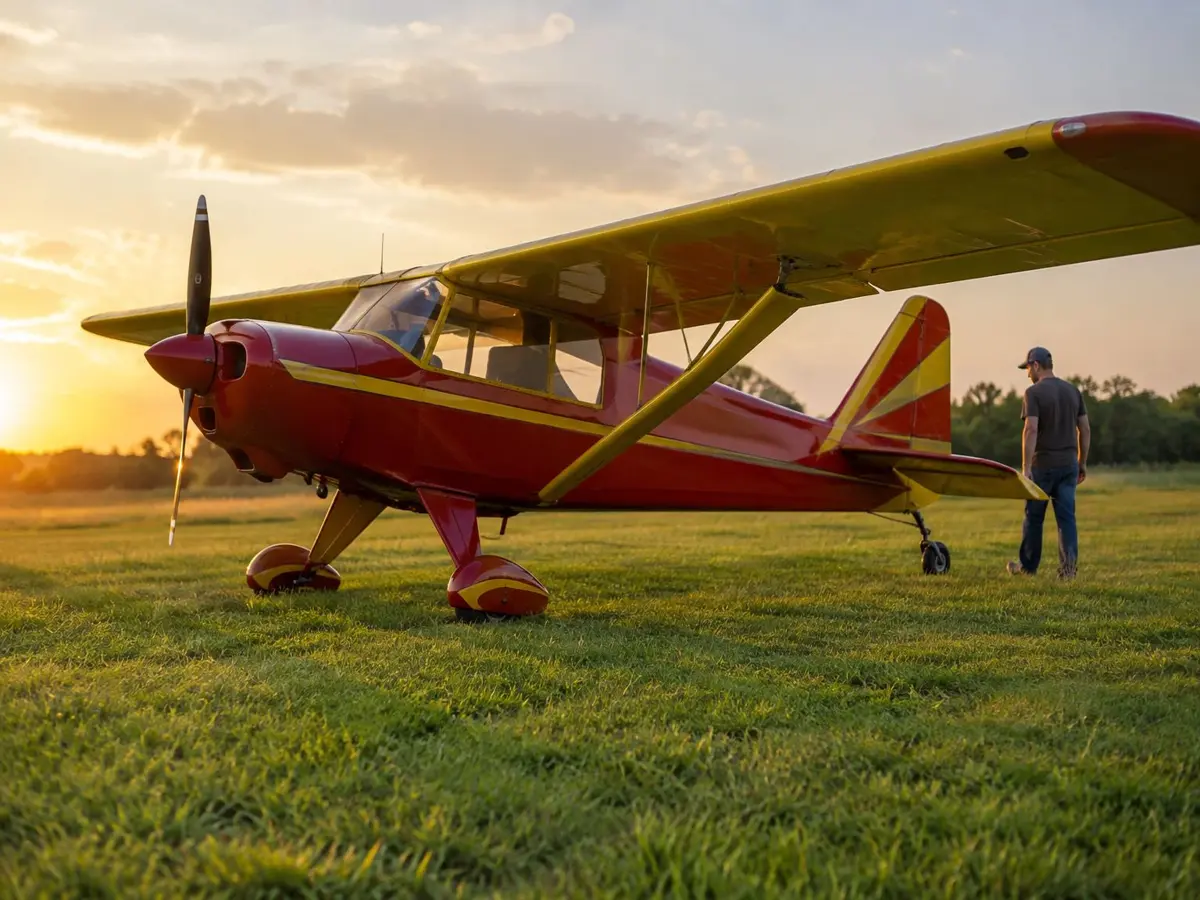
Hangar vs. tie-down can make a modest difference. Hangared aircraft are less exposed to weather and vandalism, which some insurers price accordingly.
Location matters in ways pilots sometimes miss. Flying in high-traffic Class B airspace, mountainous terrain, or areas with frequent severe weather affects how underwriters view your risk.
What Cessna 172 insurance typically costs
Real numbers from the pilot community give a clearer picture than any generic estimate.
For a newer pilot with 200 hours in a 172 valued around $30,000 to $40,000, expect liability-plus-hull to run $800 to $1,200 per year. Pilots with 400 or more hours on the same aircraft commonly report premiums in the $500 to $700 range for the same coverage structure.
If your 172 is newer or more expensive, say $100,000 to $150,000, hull premiums rise proportionally. Budget $1,500 to $2,500 or more annually depending on your experience level and how the aircraft is used.
Liability-only policies without hull coverage can run as low as $300 to $500 per year for experienced pilots, but they leave you fully exposed on the hull side.
Getting an accurate quote requires actual underwriting, not ballpark math. You can get a fast online quote for aircraft insurance without going through a broker, which is the faster route for most 172 owners.
Common questions from pilots
Does the flight school's insurance cover me when I rent their 172?
No. The school's policy protects the school. If you're found liable for damage or injury while renting, you're exposed without your own coverage. The school's insurer can also pursue you through subrogation. Aircraft renters insurance is inexpensive and covers this gap.
How many hours do I need before I can get insurance?
There's no hard minimum, but 25 hours time-in-type is a common threshold where policies become available at reasonable rates. The more instrument and type-specific hours you have, the better your options.
Will I need a checkout or training requirement?
Often yes, especially if you're low-time or transitioning from a different aircraft type. Many insurers require a CFI checkout in the specific aircraft as a condition of coverage. This is standard practice, not a red flag.
Can I insure a 172 I use to build time for a commercial certificate?
Yes, but your declared use matters. Personal time-building is covered under a standard owner policy. If you intend to carry passengers for compensation or operate commercially, tell the underwriter upfront. Misrepresenting use can void coverage at claim time.
Does a prop strike require an insurance claim?
Not automatically. It depends on the extent of damage, your deductible, and the effect on your premium. If the damage is minor and close to your deductible, many pilots pay out of pocket to avoid the claims history. For significant damage, file the claim.
Do I need additional coverage for IFR flying or complex airspace?
Your standard policy typically covers all legal operations the aircraft is rated for. Flying IFR or into Class B airspace doesn't require a separate policy. Where it gets more complicated is flying internationally, doing aerobatics, or using the aircraft for activities outside its standard use classification.
How to choose the right policy
Read the exclusions carefully. The listed coverage matters less than what's excluded. Look specifically at use limitations, minimum pilot hour requirements for named and unnamed pilots, territorial restrictions, and training requirements. A policy that excludes instrument flying or requires a minimum of 500 hours before an unnamed pilot can fly the aircraft may be a poor fit for how you actually operate.
Agreed value vs. actual cash value. Agreed value policies pay the stated value at the time of loss, no depreciation. Actual cash value policies deduct depreciation, which means you may get significantly less than what you paid after a loss. For most 172 owners, agreed value is worth the slightly higher premium.
Check pilot warranties. If anyone other than you will fly the aircraft, their hours and ratings need to meet the policy's requirements. A friend who doesn't meet the unnamed pilot requirements could void coverage if they're flying when a loss occurs.
Don't skip the quote process. Rates vary between insurers more than most pilots expect. Getting a few quotes takes 20 minutes online and can save hundreds per year. SkyWatch offers an online quoting process that doesn't require a broker, which is faster for most 172 owners who already know what coverage they need.