One of the most common questions we get from commercial drone operators goes something like this: "I need insurance, but how much liability coverage do I actually need?" It sounds simple. It isn't.
The answer depends on who you're flying for, what you're flying over, and what a single bad day could actually cost. Let's break it down in plain terms.
Why $500,000 Probably Isn't Enough
Most drone insurance policies start at $500,000 in liability coverage per occurrence. That sounds like a lot of money, and for a hobby flyer, it might be. But for a commercial operator flying near infrastructure, over populated areas, or for paying clients, half a million dollars can disappear fast.
Think about it this way: if your drone malfunctions during a real estate shoot and the footage results in a data dispute, or if it loses signal during a construction inspection and damages equipment on the ground, you're not just dealing with the cost of replacing property. You're dealing with legal fees, lost business income for the affected party, and potentially years of litigation.
For most commercial work, $1 million per occurrence is the realistic floor. Many clients won't sign a contract with you unless you can show that level of drone liability coverage.
What clients actually require
This is where operators often get caught off guard. They buy a policy, line up a job, and then the client sends over a contract that requires $2 million in general liability, plus an additional insured endorsement.
We see this constantly with:
- Real estate developers and construction companies
- Event venues
- Film and production studios
- Municipalities and government contracts
- Utility and telecom companies
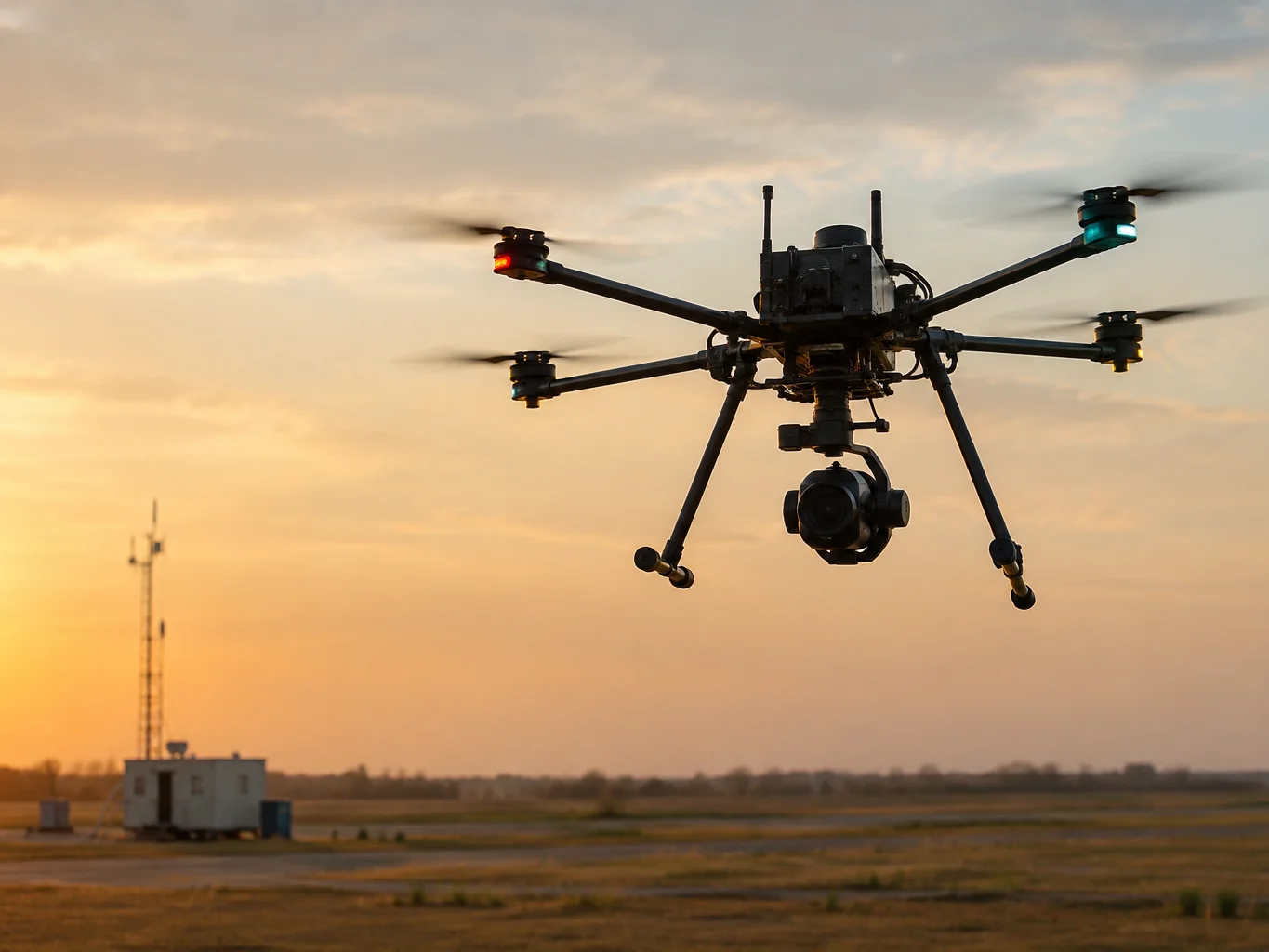
Telecom tower inspections are a good example. Some carriers require $10 million in liability coverage per flight. That's not a typo. When you're flying near cell towers that serve thousands of customers, the potential cost of an outage or structural damage is enormous. The coverage requirement reflects that reality.
Before you accept any commercial job, get the client's insurance requirements in writing. Don't assume your standard policy covers what they need.
Annual vs. on-demand coverage and your limits
Here's something worth understanding about how coverage limits work differently depending on your policy type.
With an annual policy, you buy a set limit (say, $1 million per occurrence, $2 million aggregate) and that's what you have for every job, every day, all year. The aggregate is the total your insurer will pay across all claims in a 12-month period.
With on-demand commercial drone insurance, you can often select your coverage limit per flight. If you're shooting a standard real estate listing, $1 million might be plenty. If you've landed a job with a telecom carrier, you can bump that limit for that specific flight without paying for higher coverage year-round.
That flexibility matters when your job types vary widely. Not every flight carries the same risk, and your insurance doesn't need to treat them identically.
Hull coverage is a separate conversation
Liability coverage protects other people. Hull coverage protects your equipment. Many operators treat hull insurance as optional, especially when they're just starting out. That's understandable, but worth reconsidering.
If your drone goes down during a job because of a signal issue, a bird strike, or a software glitch, you're looking at a repair or replacement that can easily run $3,000 to $15,000 for a professional-grade rig. Add in your payload (cameras, sensors, LiDAR), and the number climbs fast.
When you're quoting commercial jobs, that's not a loss you can easily absorb. Factor hull coverage into your insurance budget from the start.
The practical way to think about limits
Match your coverage to your exposure. If you're doing low-risk shoots in open areas for small businesses, $1 million in liability is a reasonable starting point. If you're bidding on government contracts, working near infrastructure, or operating in densely populated areas, you need to look at higher limits before you ever quote the job.
Check what your clients require. Check your state and local rules. And check whether your policy actually covers the specific type of work you're doing, not just the fact that you're flying a drone.
SkyWatch lets you adjust your coverage based on the job, so you're not overpaying for coverage you don't need on a slow week, and you're not underinsured on a job that demands higher limits. That's the kind of flexibility commercial operators actually need.
Frequently asked questions
What is the minimum liability coverage for commercial drone work?
There's no single federal minimum for commercial drone liability insurance in the U.S. That said, $1 million per occurrence is widely considered the practical floor for professional operators. Some clients, contracts, and local regulations will require more.
Do I need different coverage limits for different types of jobs?
Yes. The type of job, location, and client requirements all affect what coverage limits make sense. A standard real estate shoot carries different risk than a telecom tower inspection. On-demand policies let you adjust your limit per flight to match the specific job.
What does "aggregate" mean in a drone insurance policy?
The aggregate limit is the total amount your insurer will pay across all claims during your policy period. If your policy has a $1 million per-occurrence limit and a $2 million aggregate, the most you can collect from multiple claims in a year is $2 million, even if individual incidents each reach $1 million.
Can I increase my liability limits for a single flight?
With on-demand drone insurance, yes. You can often select a higher coverage limit for a specific flight without changing your standard coverage for other jobs. This is useful when a client requires higher limits for a one-time contract.
Does hull insurance affect my liability limits?
No. Hull coverage and liability coverage are separate. Hull protects your equipment if it's damaged or destroyed. Liability covers damage or injury you cause to others. You can carry one without the other, though most commercial operators benefit from having both.