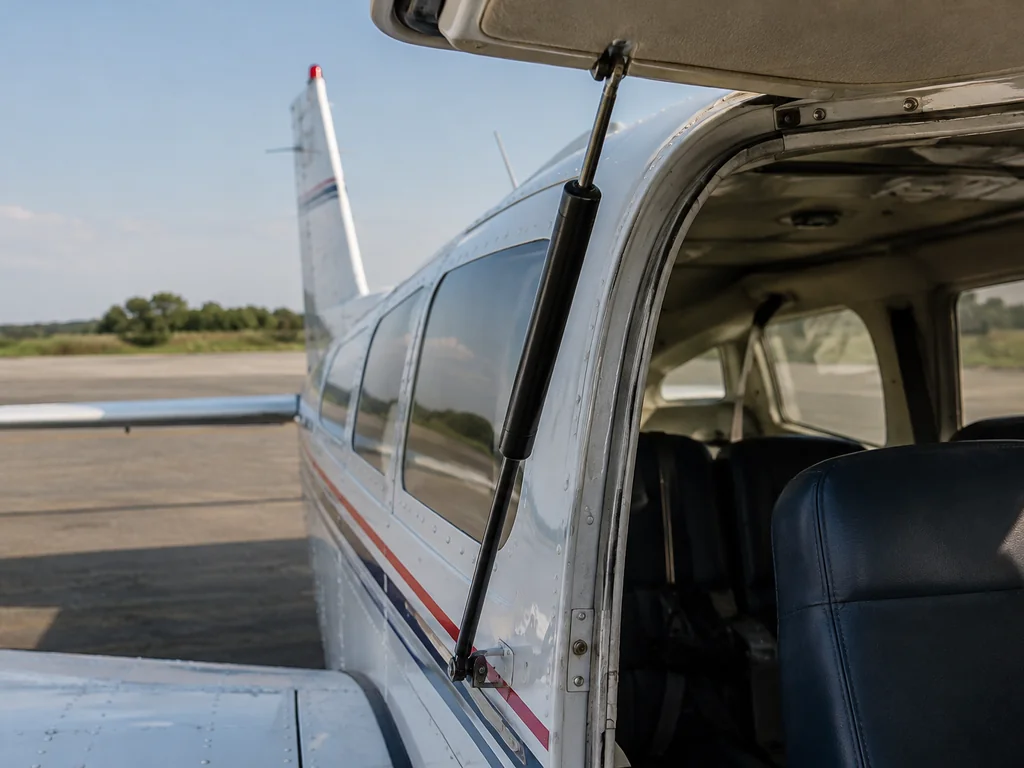
Every renter pilot hears this story sooner or later. You bring the airplane back, the line desk looks it over, and there is a bill for a part that is bent or broken. A door gas spring. A cowl latch. A headset jack. After parts and labor it might be a few hundred dollars, but the question behind it is bigger: is this actually on you?
Wear, old damage, or something you did
Most of these disputes come down to three possibilities. The part wore out from normal use. A previous renter damaged it and nobody wrote it down. Or it broke during your flight. Your rental agreement usually decides who pays, so read it before you fly, not after the invoice arrives. Look for language about normal wear, damage caused by the renter, and how squawks should be reported.
Where aircraft renters insurance fits
Aircraft renters insurance, also called non-owned aircraft insurance, is built for the risks of flying an aircraft you do not own, such as liability and damage to the rented aircraft. What is covered and up to what limit depends on your policy terms. A part that simply wore out is a different thing from sudden damage, so do not assume every bill is covered. Read the hull section and the exclusions, and compare them with the rental agreement. Our guide on what happens if you damage a rented aircraft walks through the hull side in more detail.
Protect yourself before the engine starts
Slow down on the walkaround. Check doors, latches, cowling, tires, windows and the interior, not just the usual checklist items. If anything looks off, take a dated photo or a short video and tell the desk before you leave the ramp. Our preflight checks for renter pilots are a good starting point. And if you spot a problem during or after a flight, report it right away. A school where nobody feels safe reporting squawks is not a safe school.
If a bill lands on your desk
Ask for an itemized invoice with parts and labor listed separately. Ask whether the aircraft was inspected before your flight and whether the item shows up in the squawk log. Compare what you hear with your rental agreement. Keep the tone friendly, because most schools would rather talk it through than lose a regular customer. If you are unsure how your policy treats the item, read your policy wording or ask your insurance provider before agreeing to anything. If you rent often and want coverage that matches how you fly, take a look at SkyWatch aircraft renters insurance.
FAQ
Is normal wear and tear covered by aircraft renters insurance?
Insurance is generally written for sudden, accidental loss rather than parts that wear out over time. Check the exclusions in your own policy to be sure.
Do I have to pay if the part was already damaged when I took the plane?
That depends on your rental agreement and the records. A dated photo and a note to the desk before you fly make it much easier to show the condition you found.
Should I take photos before every rental flight?
It is a good habit, especially for doors, latches, cowling and the interior. It takes a couple of minutes and gives you something concrete if a question comes up.
Does the school's insurance cover small damage?
The school's policy is written for the school and the owner. Ask which policy applies and what your rental agreement says about renter responsibility.
How do I know what my renters policy covers?
Read the policy documents, especially the hull coverage, limits and exclusions. If something is unclear, ask your insurance provider before you fly.