Spray season moves fast. Fields need to be treated within tight weather windows, equipment gets pushed hard, and operators are flying more hours in a few weeks than they might log the rest of the year. If your insurance isn't set up before that crunch hits, you're exposed at exactly the wrong time. Seasonal agriculture drone insurance isn't a luxury for commercial ag operators. It's a basic part of running a professional operation.
This post walks through what you need to know before the spraying season starts, including how coverage works, what gaps catch operators off guard, and how to get your policy in place without the last-minute scramble.
Why Standard Drone Policies Often Fall Short During Spray Season
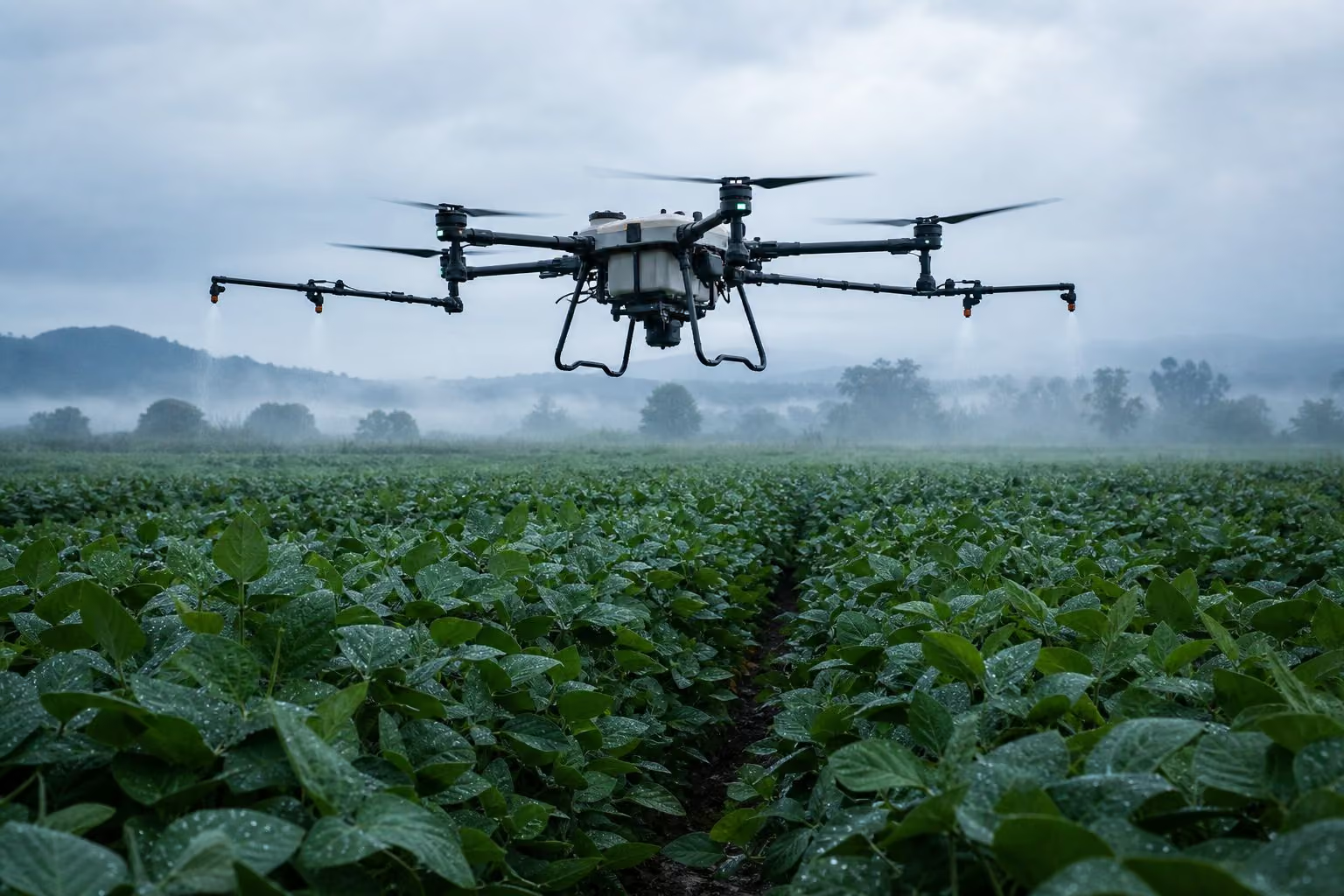
Not all drone insurance is built the same. A general commercial drone policy might cover your flight operations, but ag drone spraying insurance has a different risk profile than mapping or inspection work. You're carrying a chemical payload. You're flying low and slow over crops, often near property lines, irrigation equipment, and farm structures. Drift events, equipment malfunctions mid-application, and third-party property damage are all real exposures that a generic policy may not address cleanly.
We work with underwriters who specialize in ag drone operations, so we see where the coverage gaps actually show up. The biggest one is assuming that a standard liability policy covers chemical-related damage. It often doesn't without a specific endorsement. If a drift event damages a neighbor's crop or contaminates a water source, you need to know your policy responds to that. Not after the fact.
Drone insurance for crop spraying season needs to account for the operational intensity of the work. You might be flying five to eight hours a day across multiple farms, switching between different chemicals, and working with a ground crew. Each of those variables matters when underwriters assess your risk profile and determine what coverage terms apply.
How to Adjust or Activate Your Policy Before Peak Spraying Months
If you already have a seasonal agriculture drone insurance policy through SkyWatch, reviewing and updating it before peak season is straightforward. Log in, check your coverage limits, confirm your equipment is accurately listed, and verify that your liability coverage reflects your current operational scale. If you added a new spray drone since your last policy period, it needs to be on there before it leaves the ground commercially.
For operators who are new to agriculture drone insurance or switching from a different provider, start earlier than you think you need to. Processing times vary, and some coverage types require underwriter review. You don't want to be waiting on paperwork while your customers' planting schedules are bearing down on you.
We've issued more than 300,000 commercial drone insurance policies, and the pattern we see every year is the same. Operators who wait until the week before they need to fly are the ones who run into delays or end up with coverage that doesn't fully fit their operation. Get in front of it by four to six weeks, especially if you're requesting custom terms or carrying a higher-value fleet.
Temporary drone insurance agriculture operators use is also worth considering if your spray work is concentrated into a short seasonal window. Rather than paying for a full annual policy when you only fly commercially for eight to ten weeks a year, a flexible or pay-per-use structure can make more financial sense. It also means you can scale coverage up during your busiest period without locking in rates based on that intensity year-round.
One more thing to check: your hull coverage. Liability is the floor, but if you're operating a $15,000 to $25,000 spray drone, physical damage coverage matters. Repairs during season can sideline you for days. Replacement costs without coverage can sideline you permanently.
If you want ag drone spraying insurance that actually fits the work, it helps to work with a platform that understands the operational differences between ag and other commercial drone categories. Commercial drone insurance isn't one-size-fits-all, and the seasonal nature of spraying work means your policy structure should reflect how and when you actually fly.
Our team carries nearly perfect 5-star customer support ratings, and a lot of that feedback comes from ag operators who needed answers quickly during a busy season. When you're between fields and something comes up, you need a straightforward way to get help. That's something we take seriously.
Seasonal agriculture drone insurance is most valuable when it's in place before you need it. Review your coverage now, confirm it covers your actual exposure, and make sure your policy reflects the fleet you're flying this season.
Frequently Asked Questions
How much does seasonal agriculture drone insurance cost for spray operators?
Cost depends on your fleet value, coverage limits, and how many flight hours you log during the season. Most commercial ag drone operators see annual liability premiums starting around $500 to $1,200 for basic coverage, with costs increasing for higher liability limits or hull coverage on expensive spray systems. Pay-per-use structures can cost less for operators who only spray commercially for a short window each year.
Does standard drone liability insurance cover chemical drift damage to neighboring crops?
Not automatically. Standard liability policies often exclude chemical-related damage unless a specific endorsement is added. If you're applying pesticides or herbicides commercially, you need to confirm that your policy explicitly covers third-party property damage from drift events. This is one of the most common coverage gaps in ag drone spraying insurance.
Do I need separate insurance for each drone in my spray fleet?
Each drone used commercially should be listed on your policy, either individually or under a fleet structure. Flying an unlisted aircraft commercially can void your coverage for incidents involving that drone. If you added equipment since your last policy period, update your policy before that aircraft flies a paid job.
Is temporary drone insurance for agriculture a real option, or do I need an annual policy?
Temporary and flexible-term ag drone insurance is a legitimate option for operators whose commercial spraying work is concentrated in a defined seasonal window. Some platforms, including SkyWatch, offer pay-per-use or short-term structures that let you carry commercial coverage during active spray season without committing to rates based on year-round flying intensity. Annual policies can still make sense if you fly commercially across multiple seasons or use your drone for other paid work throughout the year.
Get a quote at skywatch.ai.