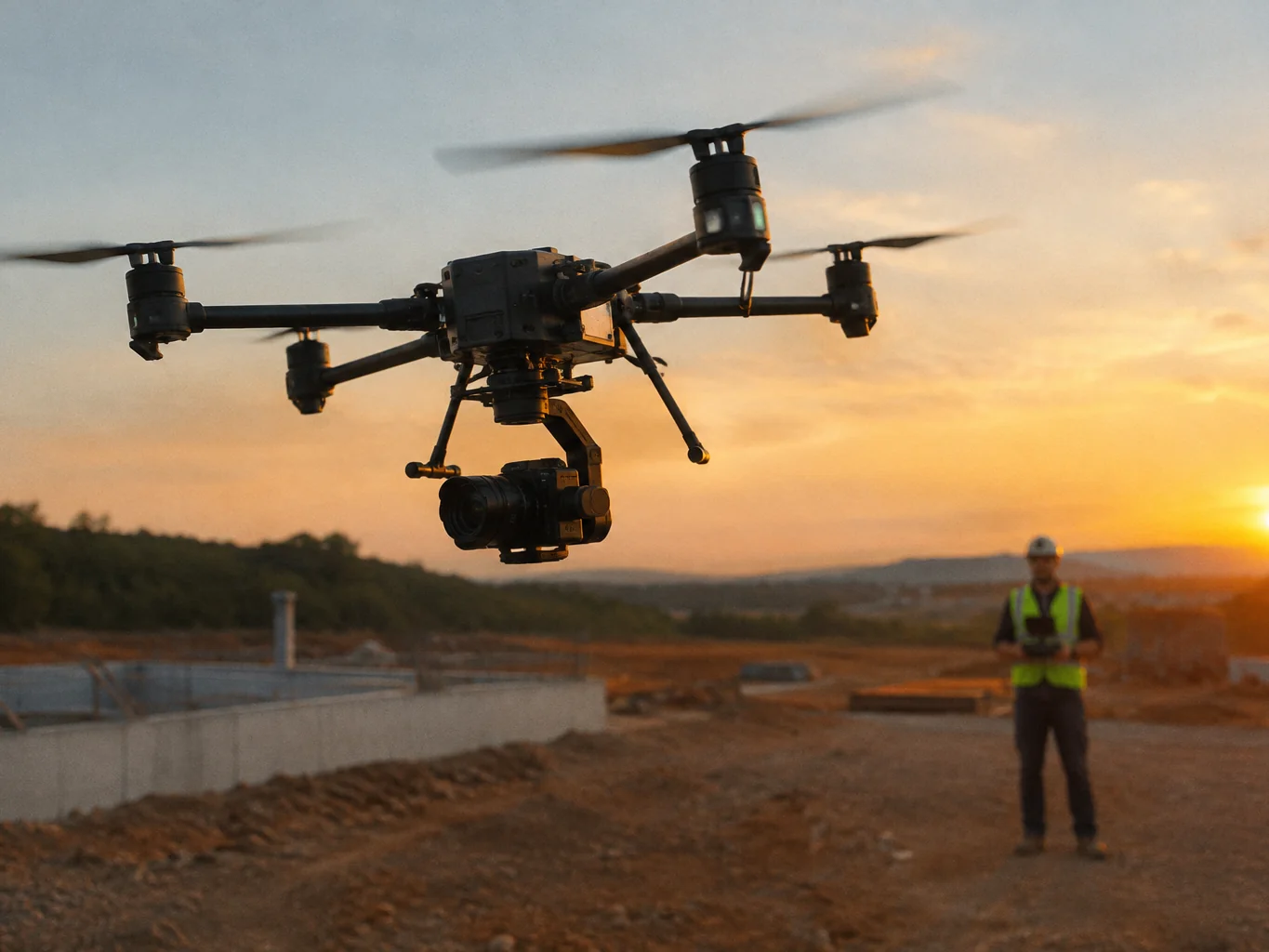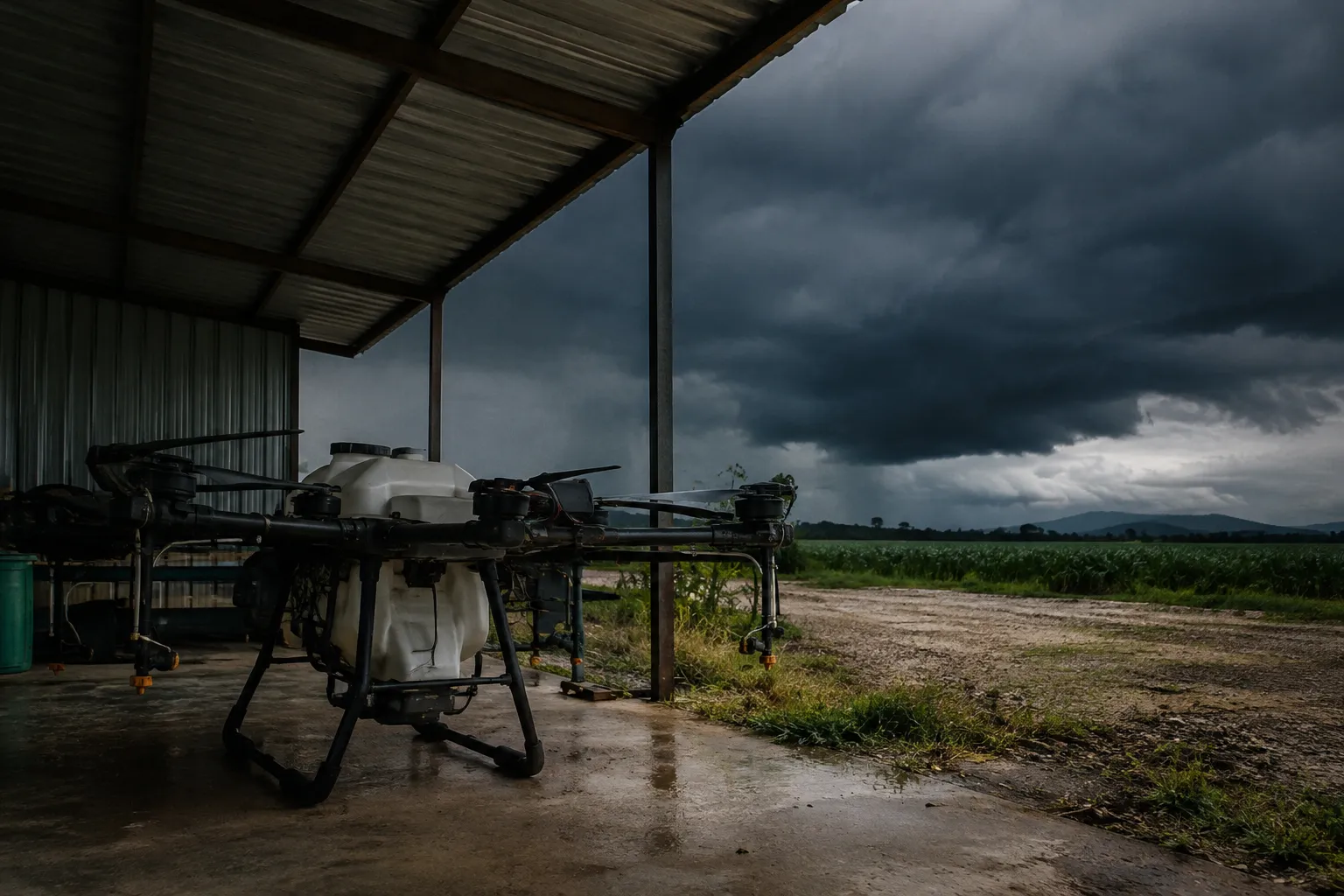
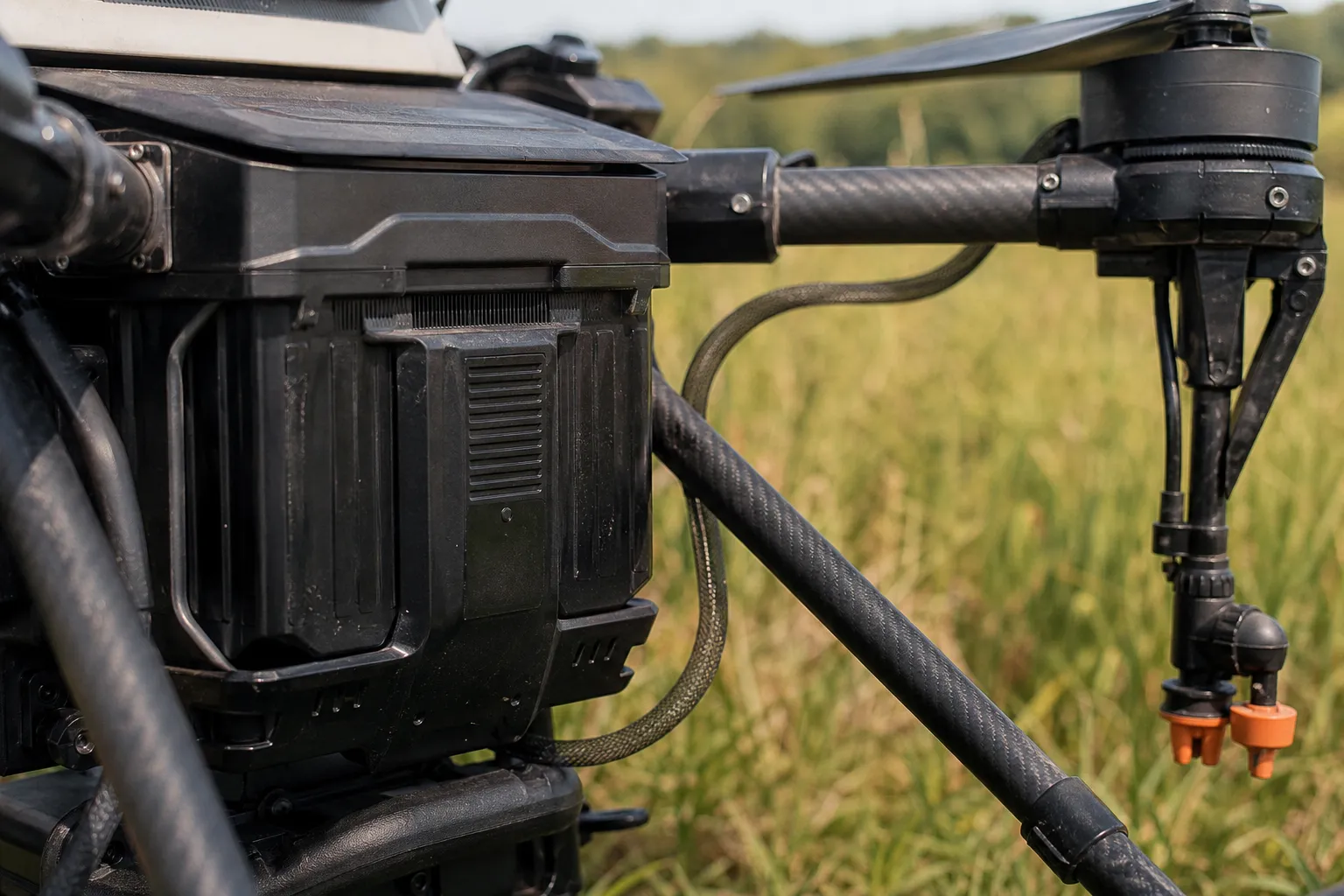
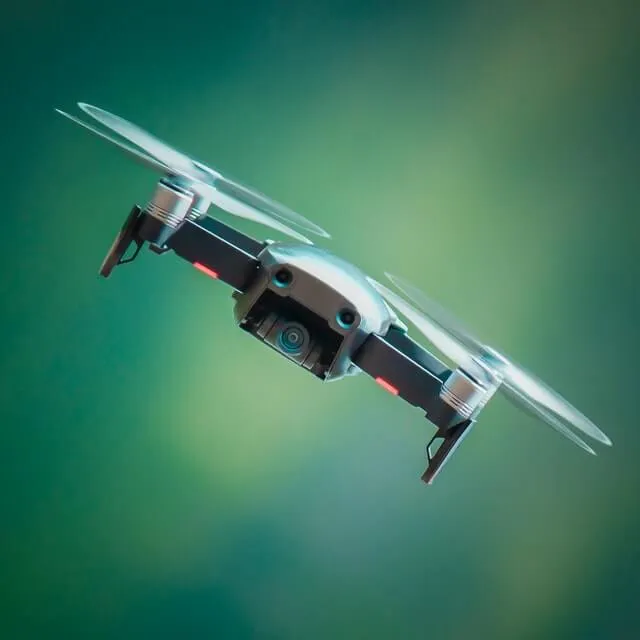
Ag drones are doing serious work now. They're spreading herbicides over thousands of acres, applying fungicides to specialty crops, and operating in conditions that put real stress on both the aircraft and the battery systems powering them. That kind of workload comes with risk. Battery fires happen. Chemical spray drifts onto neighboring property. When either of those things occurs, the financial exposure for the operator can be significant. Understanding ag drone battery fire liability insurance before an incident happens is not optional, it's the difference between recovering and not.
This post breaks down what actually causes these incidents, where coverage applies, and what gaps operators need to watch for.
How Insurance Responds When a Battery Fire or Spray Incident Causes Damage
Let's start with battery fires, because they're more common than most people want to admit. LiPo batteries are the standard power source for most commercial ag drones. They're energy-dense, which makes them useful, and they're also reactive under the wrong conditions. Overcharging, physical damage from a hard landing, extreme heat from field operations in summer, or a manufacturing defect can all trigger thermal runaway. When a battery catches fire on a customer's farm, in a truck bed, or near stored equipment, the liability question gets complicated fast.
General liability coverage under a standard agriculture drone insurance policy typically covers bodily injury and property damage caused by your operations. If a battery fire destroys a barn or ignites a field, that property damage claim would fall under your liability coverage, assuming the policy is written to include ground-based incidents tied to drone operations. Not all policies are. This is where working with someone who actually knows the ag sector matters. We work with underwriters who specialize in ag drone operations, and that specialization shows up in the policy language, not just the marketing.
Chemical spray liability is its own category of exposure. Herbicide drift onto a neighboring organic farm, overspray that damages a cash crop, or contamination of a water source, these are scenarios where chemical spray liability drone coverage becomes the relevant line item. Standard drone liability policies often exclude pesticide or herbicide application entirely, or they treat it as a separate endorsement. Operators who assume their base policy covers spray operations frequently find out otherwise at the worst possible time.
Ag drone battery fire liability insurance and chemical application coverage are not the same product, and bundling them incorrectly, or skipping one entirely, creates gaps that show up in claims. The policy needs to reflect what you actually do. If you're flying spray missions, your policy has to say so explicitly.
Hull coverage is also worth discussing here. If the drone itself is destroyed in a fire, whether from a battery failure mid-flight or on the ground, hull insurance covers the physical aircraft. That's separate from liability. Liability covers damage to other people and their property. Hull covers your equipment. Both matter, and confusing them leads to operators being underinsured on one side or the other. Comprehensive commercial drone insurance should address both.
One thing we see regularly: operators flying expensive ag platforms, sometimes $30,000 to $80,000 units, with liability limits that made sense for a mapping drone but don't come close to covering a spray incident on a high-value crop. If you're working over vineyards, orchards, or specialty produce, the potential damage from a spray error or a fire that spreads to the crop can exceed standard liability limits quickly. Policy limits need to match the actual risk environment, not just meet the minimum requirement for a contract.
We've issued more than 300,000 commercial drone insurance policies, and the ag segment has taught us that operators in this space face a different risk profile than most. The combination of heavy equipment, chemical payloads, fire risk, and proximity to someone else's livelihood makes ag drone battery fire liability insurance a specific need, not a general one. Our nearly perfect 5-star customer support rating reflects the fact that when operators have questions about coverage, they get real answers from people who know the product.
If your current policy doesn't specifically address battery fire liability and chemical spray operations, it's worth reviewing it now. Don't wait until you're filing a claim to find out what's excluded. Good ag drone insurance covers the risks that actually exist in the field, not just the ones that are easy to insure.
Frequently Asked Questions
Does standard drone insurance cover battery fires that cause property damage?
It depends on the policy. Some standard drone liability policies cover property damage caused by battery fires as part of general operations coverage, but others exclude ground-based incidents or require a specific endorsement. Operators should confirm with their insurer that the policy language explicitly covers fire-related property damage tied to drone operations, both in-flight and on the ground.
Is chemical spray drift covered under ag drone liability insurance?
Not automatically. Chemical application, including herbicide and pesticide drift, is frequently excluded from base drone liability policies or treated as a separate endorsement. Ag drone operators who conduct spray missions need a policy that explicitly includes chemical application liability. Confirming this before starting spray operations is essential, since drift onto neighboring crops or organic farms can result in significant claims.
How much does ag drone battery fire liability insurance typically cost?
Premiums vary based on the drone's value, payload type, coverage limits, and frequency of operations. For commercial ag drone operators, annual policies with liability coverage that includes spray operations and fire-related damage typically range from a few hundred to several thousand dollars per year. Operators flying high-value equipment over high-value crops should expect premiums on the higher end of that range due to the increased exposure.
What coverage limits should ag drone operators carry for chemical spray liability?
Most commercial contracts and many state regulations require at least $1 million in liability coverage, but operators working over high-value specialty crops should seriously consider $2 million or more. Herbicide drift onto an organic operation or a premium wine grape vineyard can result in losses that exceed standard limits quickly. The right limit depends on the crop value, acreage, and proximity to neighboring operations.
Get a quote at skywatch.ai.