
Why insurance works best alongside safe procedures, documentation, and client requirement reviews

Commercial drones are now used for mapping, surveying, construction, infrastructure inspection, urban planning, agriculture, and many other professional applications. As these operations become more diverse, managing risk requires more than simply having an insurance policy.
Commercial drone insurance can provide financial protection, but it works best as part of a broader risk-management process. The type of project, equipment, location, operating conditions, client requirements, and third-party exposure can all affect the risks involved.
A comprehensive approach combines appropriate insurance with safe operating procedures, equipment maintenance, site assessments, and accurate documentation. Together, these practices help businesses identify potential problems and prepare for unexpected incidents.
Understanding the Risks of Different Drone Operations
Commercial drone projects can involve very different operating conditions. A mapping survey over an open field presents different challenges from inspecting a bridge, monitoring a construction site, or applying agricultural products.
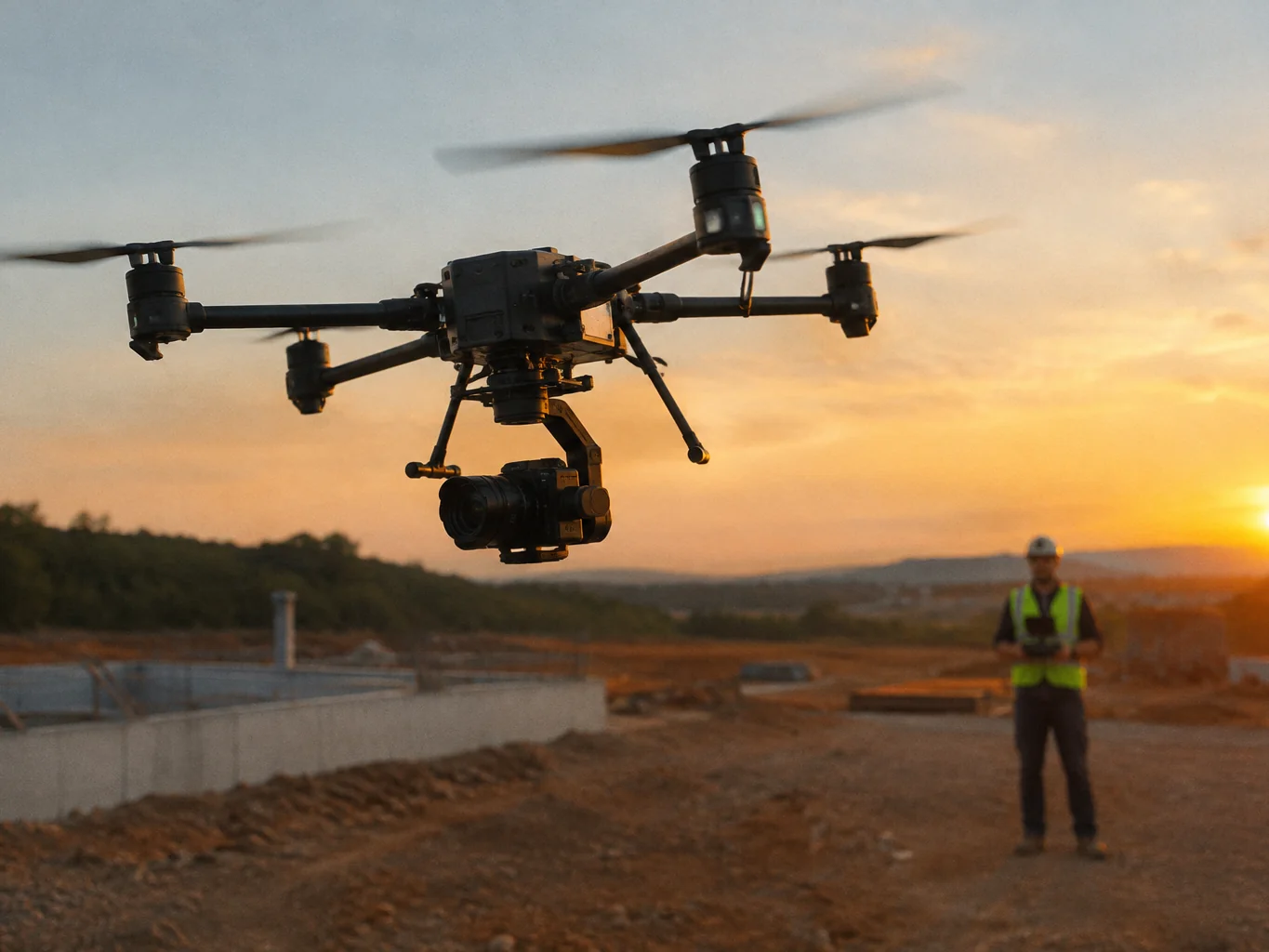
For example, mapping and surveying projects may require expensive cameras, LiDAR sensors, or other specialized payloads. Construction operations involve workers, vehicles, machinery, and changing site conditions. Infrastructure inspections may require flights close to buildings, bridges, towers, and other valuable assets.
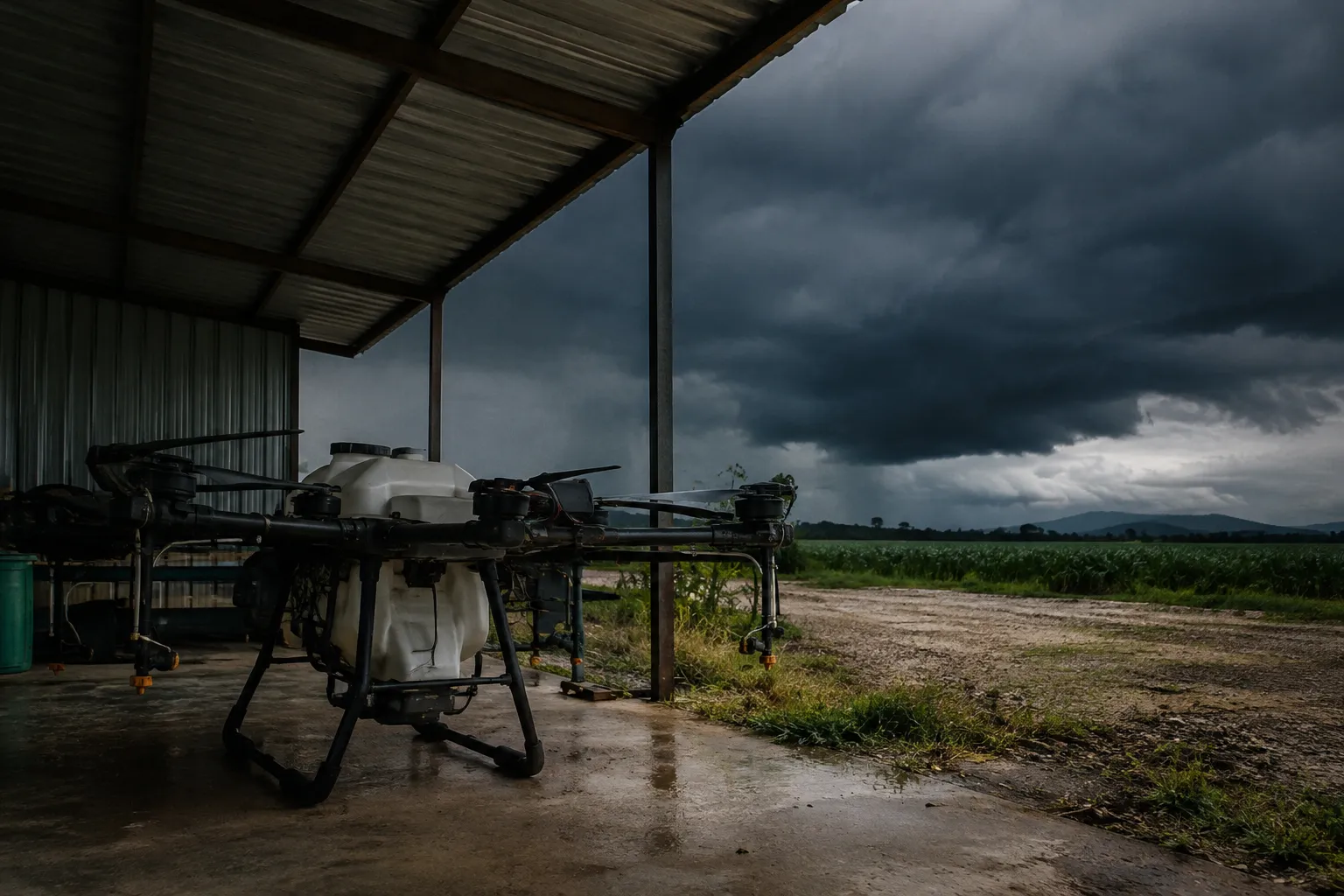
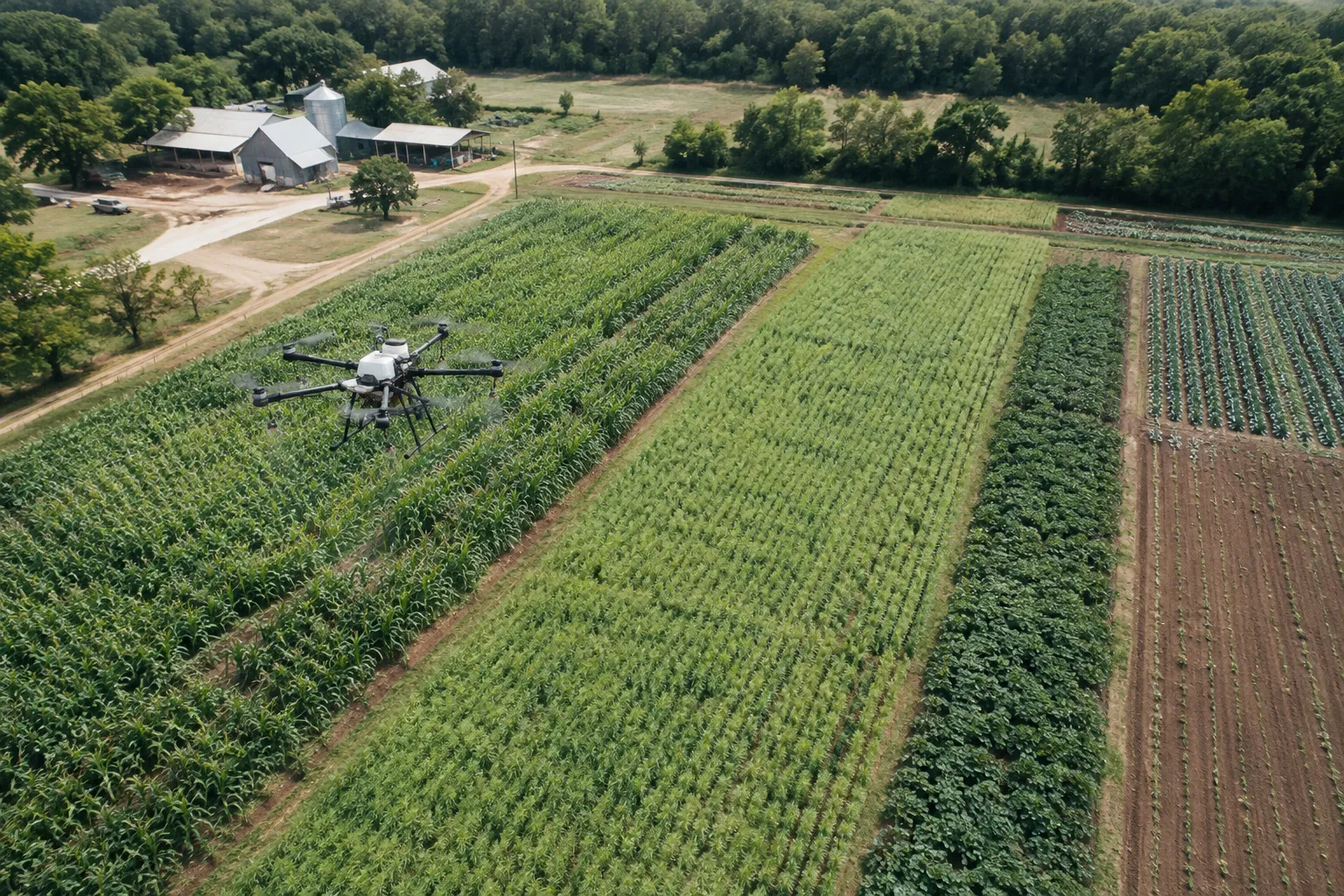
Agricultural operations introduce additional considerations, including crop exposure, specialized spraying equipment, and potential chemical drift. Businesses providing application services should confirm that their insurance specifically addresses their activities and associated liabilities. Standard drone policies may exclude certain chemical application activities or limit coverage for crop damage.
These differences make it important to evaluate each project individually rather than assuming that one risk-management approach will suit every commercial flight. Operators can review agriculture drone insurance considerations for custom applicator businesses to understand why specialized operations may require different coverage.
Matching Insurance Coverage to Business Operations
Commercial drone insurance can include different types of protection, depending on the policy selected and the operator's requirements.
Liability coverage may help address covered third-party bodily injury or property damage claims arising from drone operations. Hull coverage may protect the insured aircraft against specified physical damage or loss. Coverage for cameras, sensors, and other payload equipment may require separate declarations or additional coverage.
However, these protections are not automatic under every policy. Coverage limits, deductibles, exclusions, operating restrictions, and other policy conditions determine whether a particular loss is covered.
For instance, a surveying company using an expensive LiDAR sensor should confirm whether the sensor is included in the insured equipment value. Similarly, a business planning night flights, operations near populated areas, or flights beyond visual line of sight should verify that the intended activity is permitted by applicable regulations and addressed by its insurance policy.
Flyaway incidents also require careful consideration. An operator who loses control of a drone should not assume that the aircraft's loss will automatically be covered. The outcome depends on the applicable policy language, the circumstances of the incident, and any relevant exclusions. Operators can review this guide to commercial drone hull insurance for further information about aircraft damage and potential coverage limitations.
Insurance should therefore be reviewed whenever a business introduces new equipment, accepts a different type of contract, or expands into a new operating environment.
Client Contracts and Insurance Requirements
Commercial drone operators frequently work with construction companies, engineering firms, infrastructure providers, government organizations, and other businesses. These clients may require proof of insurance before allowing work to begin.
Contractual requirements can specify minimum liability limits, additional insured status, or particular documentation. The requirements may vary according to the project, the client's internal policies, and the potential consequences of an incident.
Before accepting a project, operators should review the contract and compare its insurance requirements with their existing policy. If the client requests a particular endorsement or coverage limit, the operator should confirm with the insurer that the requirement can be met.
Completing this review early can help prevent delays, clarify contractual responsibilities, and reduce the risk of discovering a coverage gap after a project has started.
Documentation and Operational Preparedness
Documentation is another important part of commercial drone risk management. Flight plans, site assessments, maintenance records, equipment inventories, pilot qualifications, and client instructions can help businesses maintain consistent operating procedures.
Flight logs may also help establish the circumstances of an incident. For example, if a drone experiences a flyaway, available flight data and maintenance records may help investigators understand what occurred. These records can support an insurance claim review, although they do not guarantee that a claim will be accepted.
Maintaining organized records also helps businesses identify recurring operational issues, monitor equipment condition, and demonstrate that appropriate procedures were followed.
A Practical Checklist Before Each Commercial Flight
Before beginning a new project, operators can use the following checklist to review key risk-management considerations:
- Confirm the project scope: Identify the work being performed, the equipment required, and any special operating conditions.
- Assess the site: Check for nearby people, vehicles, buildings, power lines, machinery, and other potential hazards.
- Inspect the equipment: Check the aircraft, batteries, propellers, sensors, payloads, and other essential components.
- Review flight conditions: Evaluate weather, visibility, environmental conditions, and the planned flight area.
- Verify insurance: Confirm that the intended operation, aircraft, payload, and relevant liabilities are addressed by the policy, subject to its terms and exclusions.
- Check client requirements: Review contractual insurance limits, certificates, endorsements, and other documentation before work begins.
- Maintain records: Keep relevant flight plans, inspection records, maintenance information, and incident reports organized.
This checklist can be adapted to the type of work being performed. A construction inspection, for example, may require additional coordination with site managers, while agricultural spraying may require specific chemical application procedures and appropriate coverage verification.
Integrating Risk Management Across Drone Applications
Mapping, construction, infrastructure inspection, agriculture, and urban planning all benefit from a coordinated approach to operational safety and insurance.
In urban planning, aerial imagery and geospatial data can support infrastructure assessment, land-use analysis, and development planning. Commercial drone applications in urban planning demonstrate how aerial data can contribute to these professional activities.
When operating in urban environments, businesses must consider nearby roads, buildings, utilities, public spaces, and other potential hazards. Site assessments, flight planning, appropriate permissions, and suitable operating procedures can help address these challenges.
Likewise, construction and infrastructure projects require operators to account for changing site conditions and the potential consequences of equipment failure or an uncontrolled flight. Agricultural businesses must consider their specialized equipment and the potential effects of their operations on crops and surrounding properties.
Rather than treating each activity as an isolated task, businesses can incorporate risk assessment, documentation, equipment management, and insurance review into a consistent workflow.
Insurance Is One Part of the Entire Workflow
Commercial drone insurance is an important component of financial risk management, but it does not replace safe operating procedures or eliminate every possible loss.
A more effective approach connects insurance with site assessments, equipment maintenance, flight planning, client requirements, and accurate operational records. These elements help businesses understand their exposure, prepare for potential incidents, and identify areas where additional precautions may be necessary.
As commercial drone operations expand into new services and environments, reviewing these elements together can help maintain a clearer understanding of a changing risk profile.
Ultimately, insurance works best when it is aligned with the actual activities a business performs and supported by practical procedures designed to prevent and manage operational risks. Explore commercial drone insurance from SkyWatch to see how coverage can fit your operations.
About the Author
Tyler Smith is an industrial specialist and technology writer focused on commercial drones, aerial data, and emerging applications of drone technology. His work explores how businesses and industries can use drones for mapping, surveying, infrastructure inspection, construction, urban planning, and other professional applications. With an interest in practical industry developments, Tyler creates informative content that helps readers understand evolving technologies, operational considerations, and risk-management practices. His writing focuses on clear, accessible explanations rather than technical jargon or promotional messaging. Through his research and articles, he aims to provide useful insights for professionals exploring the growing role of drones.