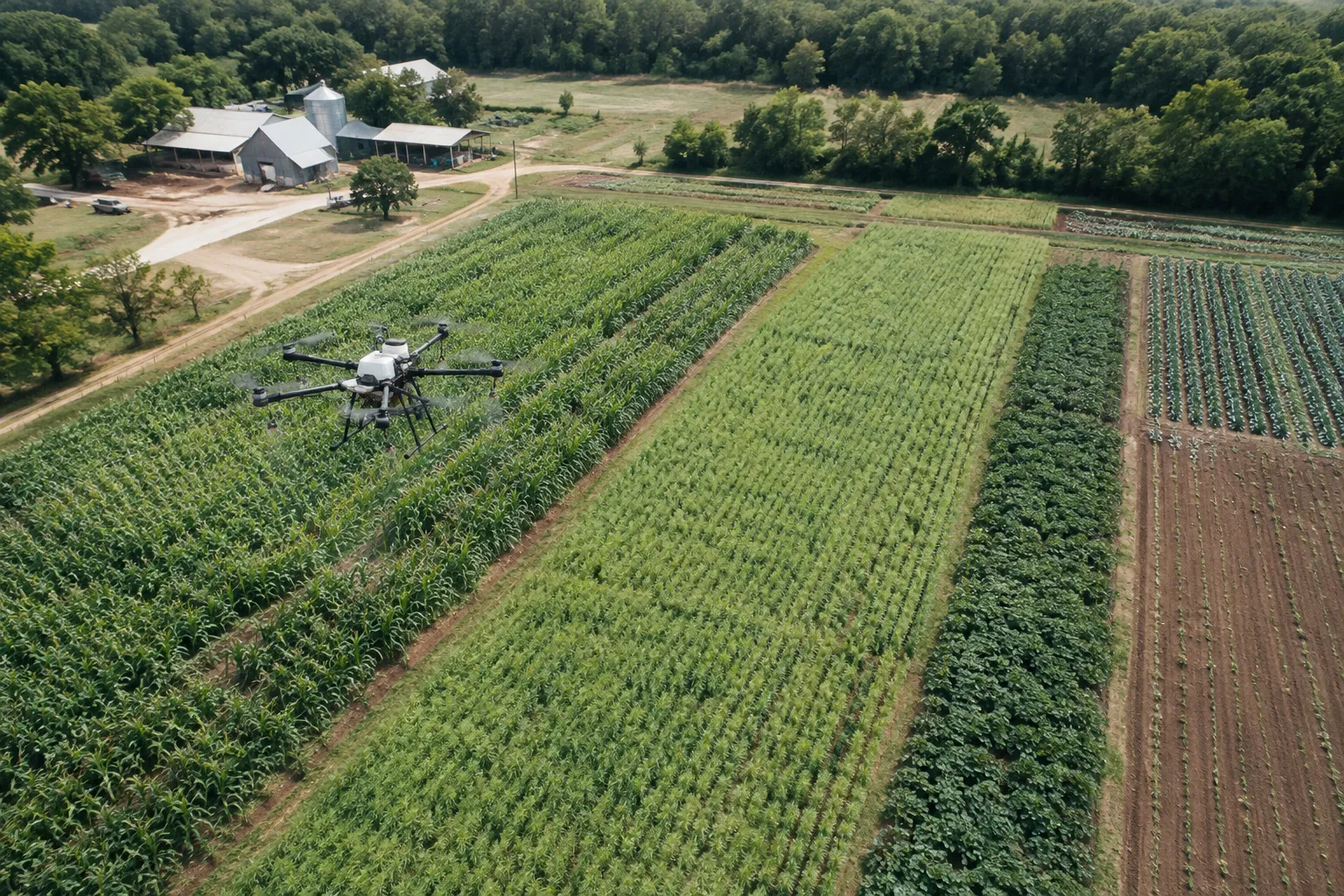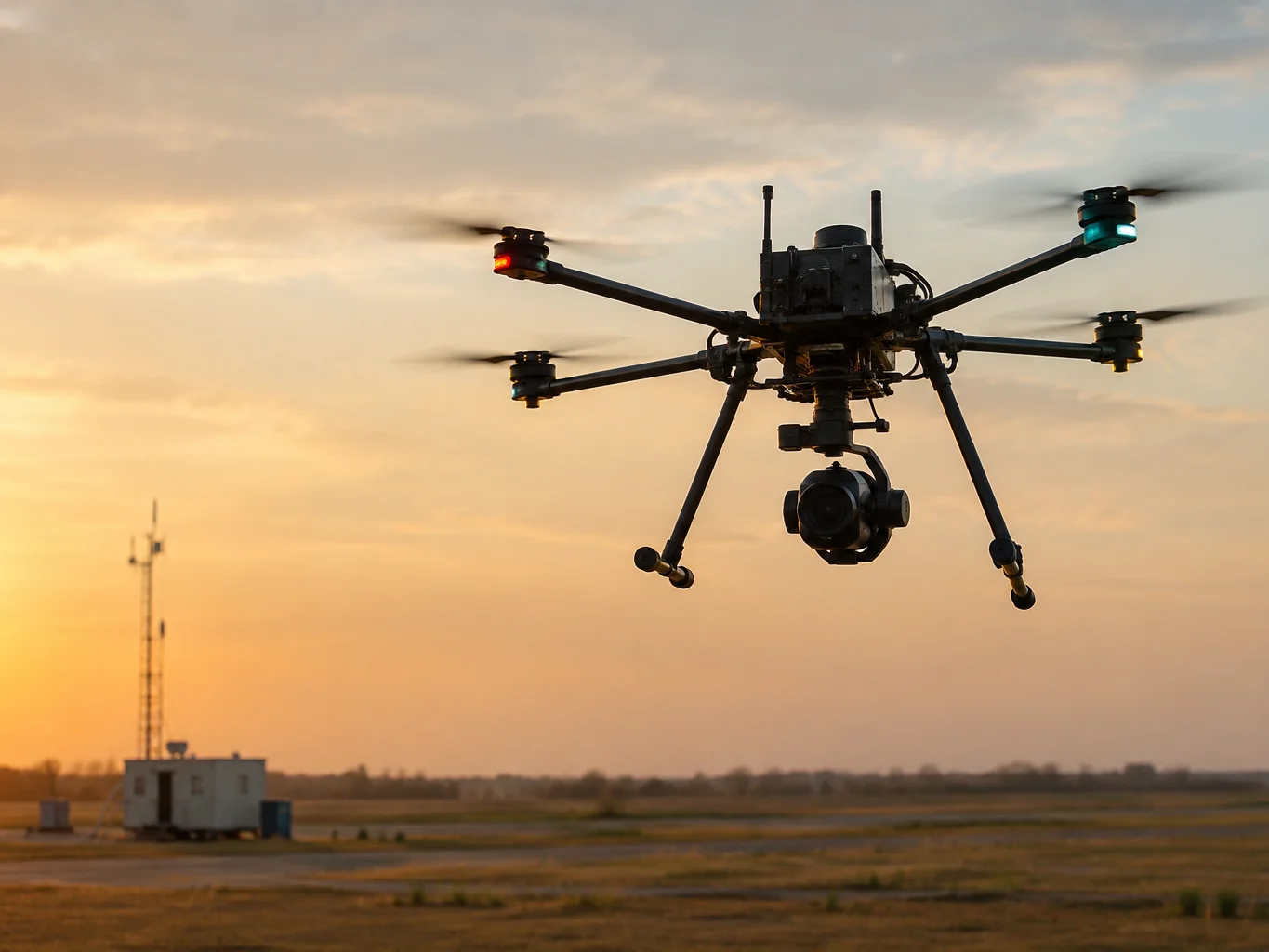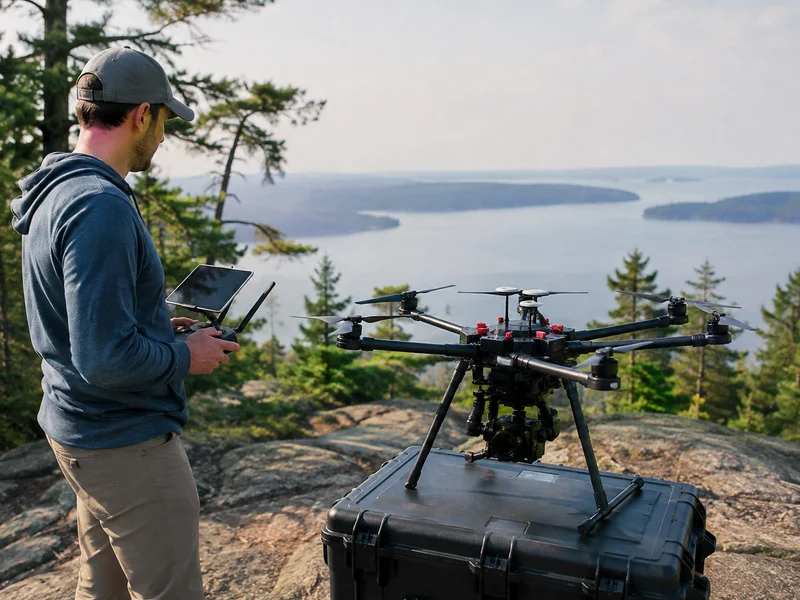
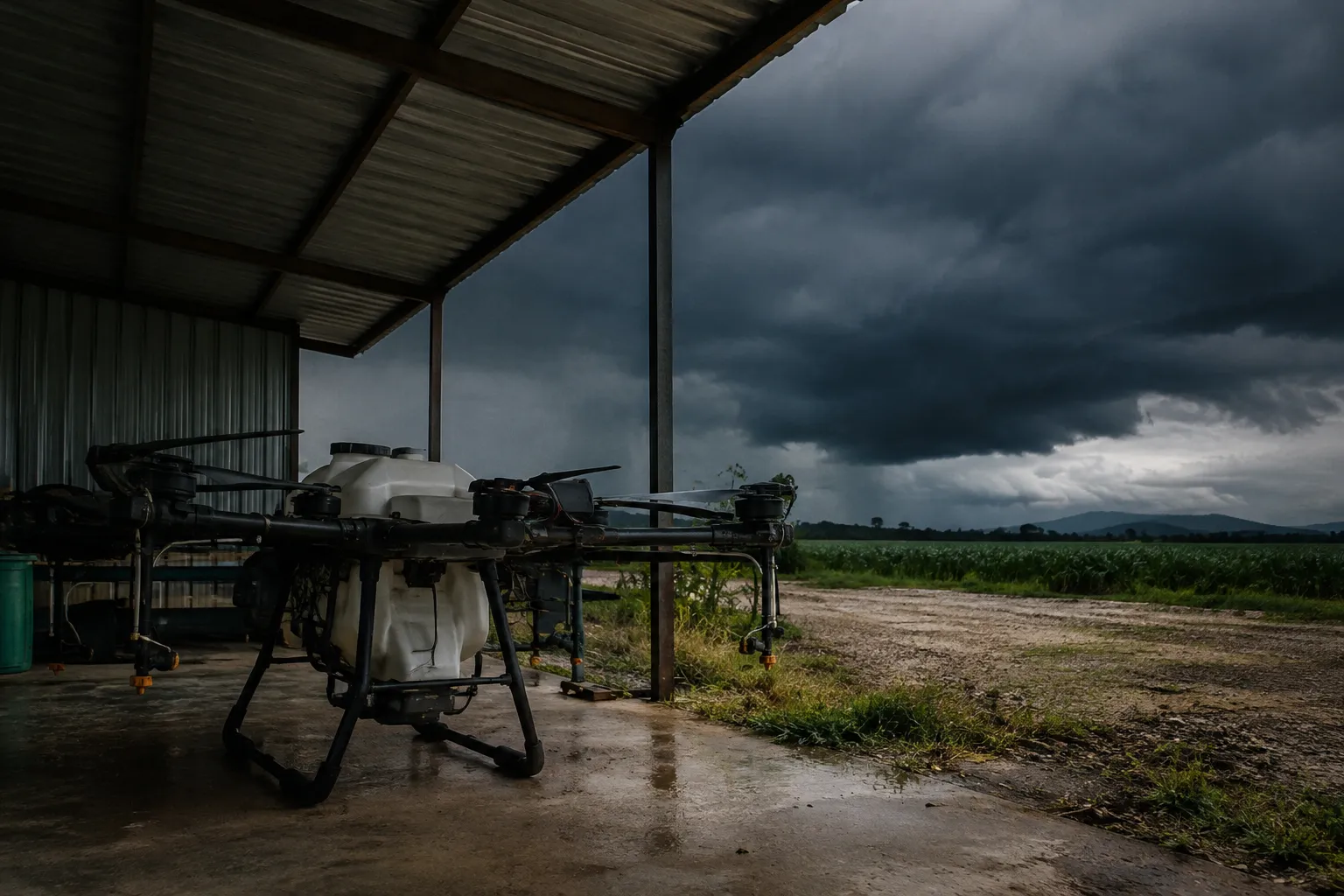
Ag drones are expensive equipment operating in one of the most weather-exposed environments imaginable. Open fields, unpredictable winds, sudden storms. If you're running a precision agriculture operation and relying on drones for spraying, mapping, or scouting, you already know that bad weather and flight operations don't mix well. What you might not know is exactly how your policy responds when weather causes a loss. Weather damage agriculture drone insurance is more nuanced than most operators expect, and getting caught off guard by an exclusion after a storm can cost you significantly.
Let's break down how coverage actually works, what triggers a valid claim, and where the gaps tend to show up.
Which Weather Events Trigger Coverage and Which Are Excluded
Not all weather events are treated the same way under a drone insurance policy. A hull coverage clause, which covers physical damage to the aircraft itself, will typically respond to sudden, accidental damage caused by a covered peril. Wind gusts that push your drone into a structure, hail that cracks a sensor, or a flash storm that grounds your aircraft in a forced landing all have a reasonable shot at qualifying for a weather event drone coverage claim, provided the policy language supports it.
Ag drone wind damage insurance is one of the more common weather-related claims we see across agricultural operations. Wind events can be sudden and severe, especially in open terrain where there's no natural windbreak. A gust that exceeds the drone's rated wind tolerance mid-flight is often treated as an accidental loss, not operator error, which is an important distinction when a claim is being reviewed.
That said, wear and tear from repeated exposure to wind, dust, or moisture is almost never covered. Insurers draw a hard line between sudden physical damage and gradual degradation. If your drone's motors are corroding because of consistent field conditions, that's a maintenance issue. If lightning hits your equipment trailer and fries your drone's electronics while it's stored, that's a different conversation entirely.
Flooding is another area worth paying close attention to. Some policies cover water damage from sudden events. Others exclude it outright, or require that the aircraft was stored properly and not actively flown in conditions that obviously posed a risk. Reading your policy language here is not optional.
We work with underwriters who specialize in ag drone operations, which means the policies available through SkyWatch are built with agricultural use cases in mind, not just hobbyist or commercial photography scenarios. That context matters when a claim involves field operations during harvest season or early morning spray runs where weather shifts fast.
One thing that catches operators off guard is the concept of "voluntary parting." If you fly into conditions that your aircraft's specifications clearly warn against, and the drone goes down, some insurers treat that as a self-inflicted loss rather than a weather claim. Storm damage drone claim reviews almost always include a look at flight logs, weather data at the time of the incident, and whether the operator made a reasonable flight decision. Documented pre-flight planning and awareness of local conditions can make or break a claim outcome.
Liability coverage behaves differently than hull coverage in weather situations. If your drone is blown off course and damages a third party's property or injures someone, your liability policy should respond to the property damage or bodily injury claim regardless of the weather context. The weather was the cause, but the liability is still there. This is exactly why agriculture drone insurance that bundles both hull and liability coverage is worth the investment for any serious ag operator.
There's also the matter of equipment inside the drone, separate from the airframe itself. Sensors, cameras, spray systems, and specialized attachments may or may not fall under your standard hull coverage. Some policies cover payload as part of the aircraft. Others treat it as separate property that needs its own rider. If your drone carries a $15,000 multispectral sensor, it's worth verifying exactly how your policy handles that piece before you fly into changing weather conditions.
We've issued more than 300,000 commercial drone insurance policies, so we've seen the full range of weather-related claims across agricultural operations. The operators who come out best are the ones who understand their coverage before the storm hits, not after. Weather damage agriculture drone insurance only works in your favor if you know what your policy says and you've documented your operations properly.
If you're shopping for drone insurance or reviewing an existing policy, pay specific attention to the definitions section. "Sudden and accidental" damage is a phrase that carries real legal weight in claims. So do phrases like "manufacturer specifications" and "appropriate weather minimums." Knowing these terms is part of operating professionally.
Our support team maintains nearly perfect 5-star customer support ratings specifically because we help operators understand their coverage before it matters, not just when they're filing a claim. That kind of clarity is worth a lot when a hailstorm hits mid-season.
For ag drone insurance that's built around how agricultural operators actually work, SkyWatch policies offer flexibility and coverage language that reflects real field conditions. Weather damage agriculture drone insurance should give you confidence to operate, not questions you can't answer.
Frequently Asked Questions
Does ag drone insurance cover damage from wind or storms?
Most hull coverage policies for agricultural drones will cover sudden physical damage caused by wind or storms, provided the damage was accidental and not the result of flying outside the aircraft's rated weather conditions. Ag drone wind damage insurance claims are reviewed using flight logs and local weather data at the time of the incident. Flying into clearly unsafe conditions can result in a denied claim.
What is typically excluded from weather event drone coverage in agriculture policies?
Gradual wear from exposure to dust, moisture, or consistent wind is almost always excluded. Flooding damage may be excluded depending on policy language, especially if the aircraft was not stored properly. Flying in conditions that exceed manufacturer weather specifications can also void coverage for that loss.
How much does weather damage agriculture drone insurance cost for ag operators?
Premiums vary based on the drone's value, the type of agricultural operations, coverage limits, and the operator's flight history. Policies through SkyWatch can be purchased on a per-flight or annual basis, giving operators flexibility to match coverage costs to their actual usage and season length.
Do I need separate coverage for drone sensors and spray equipment damaged in a storm?
It depends on the policy. Some agricultural drone insurance policies include payload coverage as part of the hull, while others treat attached equipment as a separate item that requires its own coverage endorsement. Operators carrying high-value sensors or spraying systems should verify payload coverage explicitly before assuming it's included.
Get a quote at skywatch.ai.