Farmers and custom applicators ask us one thing more than anything else: what is this going to run me? Fair question. The honest answer is that it depends, but not randomly. Your agriculture drone insurance cost follows a handful of factors, and once you know them, you can predict your price and lower it.
The Main Variables Underwriters Look at When Setting Your Premium
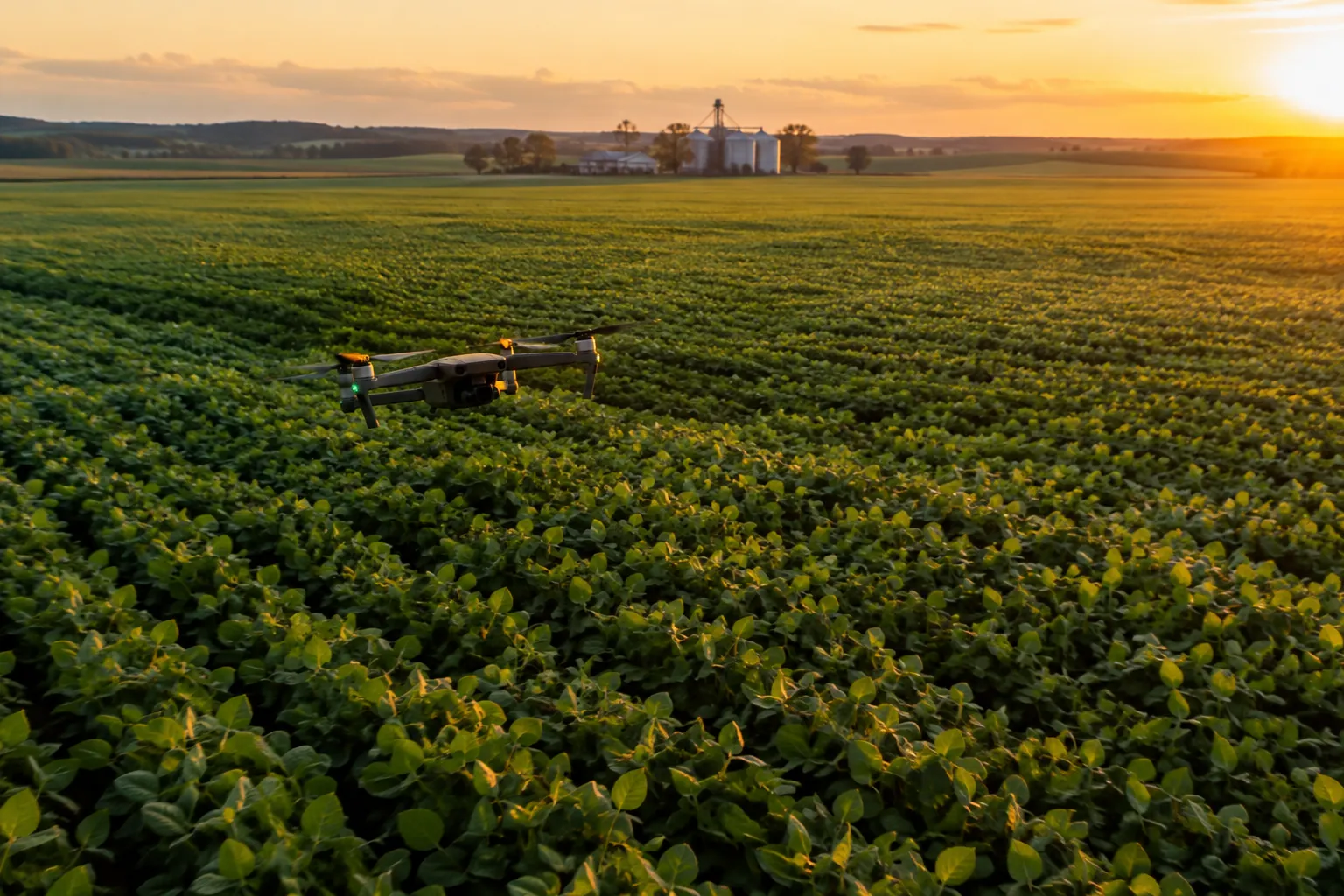
Start with what you fly. A small scouting quadcopter that never carries a payload sits in a very different risk bucket than a 100-pound spray rig loaded with liquid. Heavier aircraft cause more damage when something goes wrong, and spraying adds chemical exposure on top of the usual crash risk. Expect your ag drone insurance premium to climb with takeoff weight and with any payload that is released over land.
Next comes the type of work. Mapping, crop scouting, and livestock checks are low-drama jobs. Spraying, spreading, and seeding are not. Drift onto a neighbor's field can mean a crop loss claim worth far more than the drone itself. Underwriters know this, so applications that include spraying get a closer look.
Pilot experience matters too. A pilot with a Part 107 certificate, a Part 137 operation where required, and a clean record usually gets better pricing than someone who bought a drone last week. Logged hours help. So does a documented training routine. If you have had prior claims, say so up front. It is better to explain them than to have them discovered.
Then there is the coverage itself. Liability is the foundation, and it is the cheapest piece. Add hull coverage for the aircraft and your total goes up, with higher drone values pushing it further. Deductibles work the way they do on a truck policy. Take a bigger one and the premium drops, but you carry more of the first loss.
Location and scale play a part as well. Flying over open farmland in a rural county is a lighter risk than working near highways, homes, or livestock operations. Running a single drone on your own acreage costs less than running a fleet across several states for hire.
So, How Much Are We Talking?
People searching for how much is ag drone insurance want a number, and I will give you a rough one. Liability-only coverage for a small operation can land at a few hundred dollars a year. Add hull coverage for a high-value spray drone and a commercial applicator might pay well into the thousands. Treat those as ballpark figures, not quotes. Your own result depends on the variables above.
Drone insurance pricing agriculture operators see also differs from general drone pricing. A photographer shooting real estate has no chemical exposure. A sprayer does. That gap is why a generic policy often falls short, and why it pays to buy ag drone insurance built for the work instead of a repurposed hobby plan.
Ways to Keep Your Rate in Check
Keep records. Flight logs, maintenance notes, and chemical application reports show an underwriter you run a tight operation. Use checklists before every flight. Store batteries properly. Small habits like these reduce claims, and fewer claims mean better renewals.
Bundle where you can. If you operate several aircraft, putting them under one policy is often cheaper than insuring each one separately. Review your coverage once a year, too. A drone you sold last spring should not still be on the schedule.
It also helps to work with people who understand the trade. We've issued more than 300,000 commercial drone insurance policies, and we work with underwriters who specialize in ag drone operations. That means they know a spray season from a scouting season and price accordingly. Our customers have also given us nearly perfect 5-star customer support ratings, which matters when you need a certificate of insurance at 6 a.m. before a landowner lets you on the property. You can read more about drone insurance options if you fly outside agriculture as well.
One last thought on the agriculture drone insurance cost question. The cheapest policy is not the best deal if it excludes chemical application or drift liability. Read the exclusions. Ask direct questions. A few extra dollars a month is nothing next to an uncovered crop damage claim.
Frequently Asked Questions
How much does agriculture drone insurance cost per year?
Liability-only policies for small operations often cost a few hundred dollars a year. Spray drones with hull coverage can cost well over a thousand dollars annually. Your agriculture drone insurance cost depends on aircraft weight, payload, pilot experience, and coverage limits.
Does ag drone insurance cover chemical drift?
Only if the policy says so. Many general drone policies exclude chemical application or drift damage. Confirm that your policy covers spraying liability and third-party crop damage before you fly.
Do I need insurance to spray crops with a drone?
The FAA does not require drone liability insurance itself. However, landowners, clients, and state pesticide regulators often require proof of coverage. Commercial spraying without it exposes you to uncapped personal liability.
Is hull coverage worth it for an ag drone?
For most spray drones, yes. These aircraft can cost tens of thousands of dollars to replace, and crashes during low-altitude flight are common. Hull coverage pays for repair or replacement after a covered loss, minus your deductible.
Get a quote at skywatch.ai