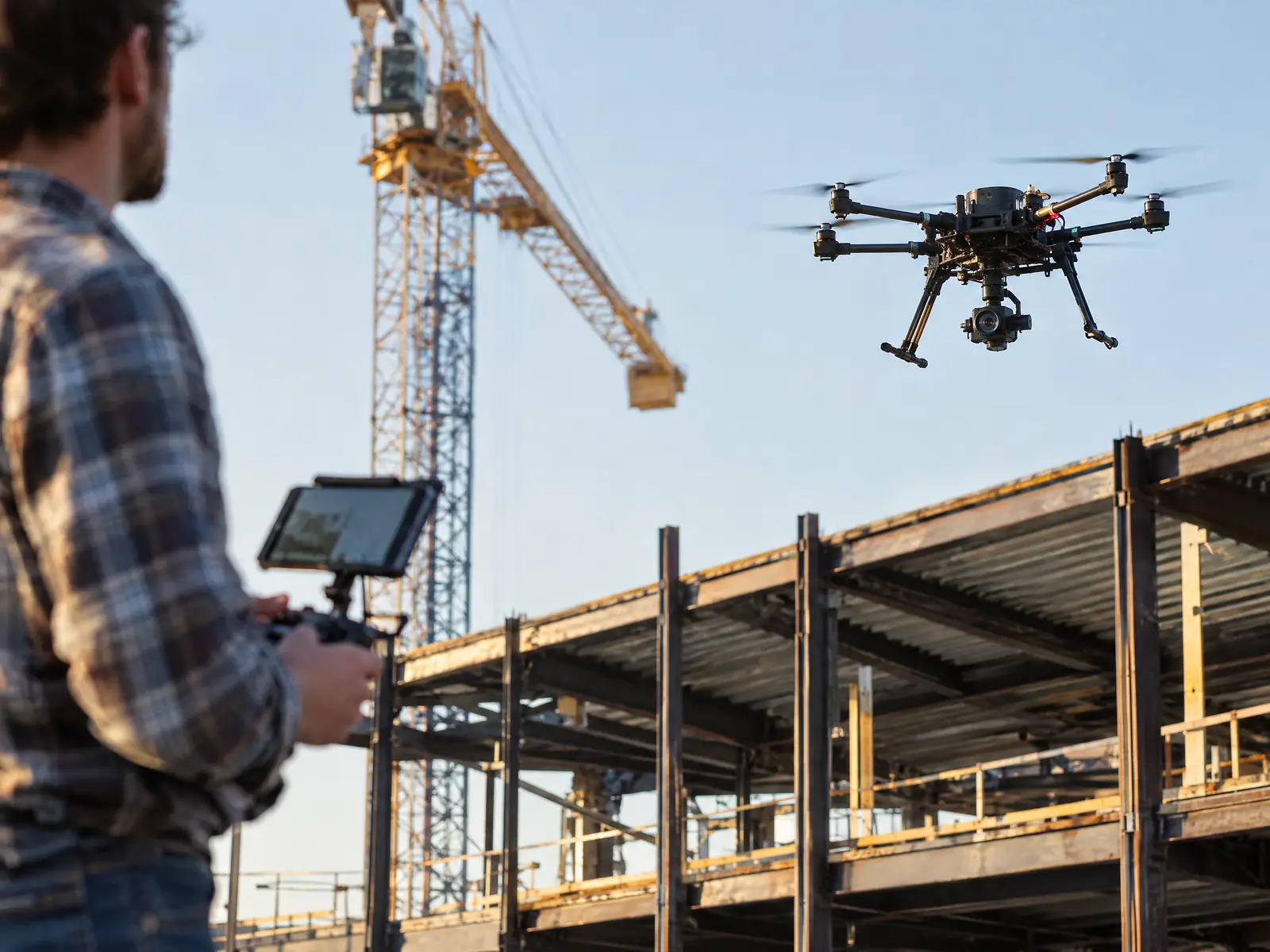
A client wants aerial shots of a busy job site, a crowded open house or a street full of traffic. The question comes up fast: are you allowed to fly over those people? Under Part 107, the answer depends on your drone, not just your skill. Getting it wrong puts your certificate and client relationship at risk.
Here is how the FAA rules work, and what to check before you say yes.
The four categories, in plain terms
Subpart D of Part 107 sorts drones into four categories. Each sets what must be true about the aircraft before you fly over people who are not part of your operation.
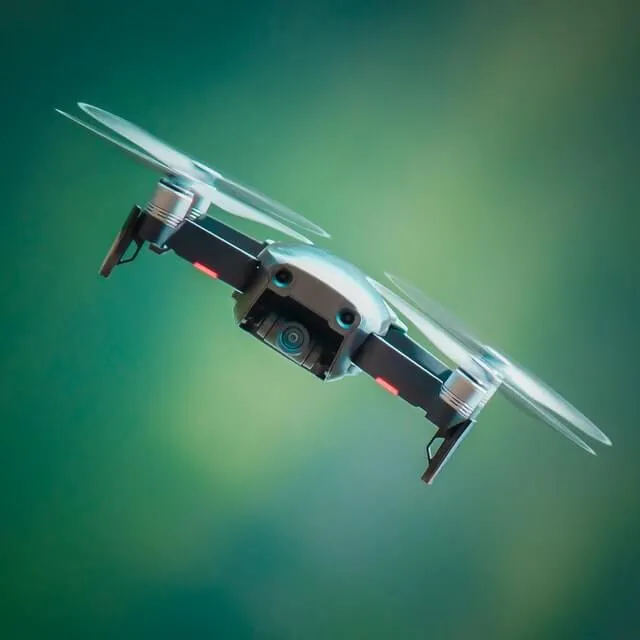
- Category 1: the drone weighs less than 0.55 pounds, including everything attached, and has no exposed rotating parts that could lacerate skin.
- Category 2: the drone cannot cause injury equal to or greater than a transfer of 11 foot pounds of kinetic energy from a rigid object, with no exposed lacerating parts and no safety defects. It needs an FAA accepted means of compliance and a declaration of compliance.
- Category 3: the same structure with a 25 foot pound threshold. It cannot fly over open air assemblies of people at all.
- Category 4: the drone holds an airworthiness certificate under Part 21 and flies within its approved flight manual limitations.
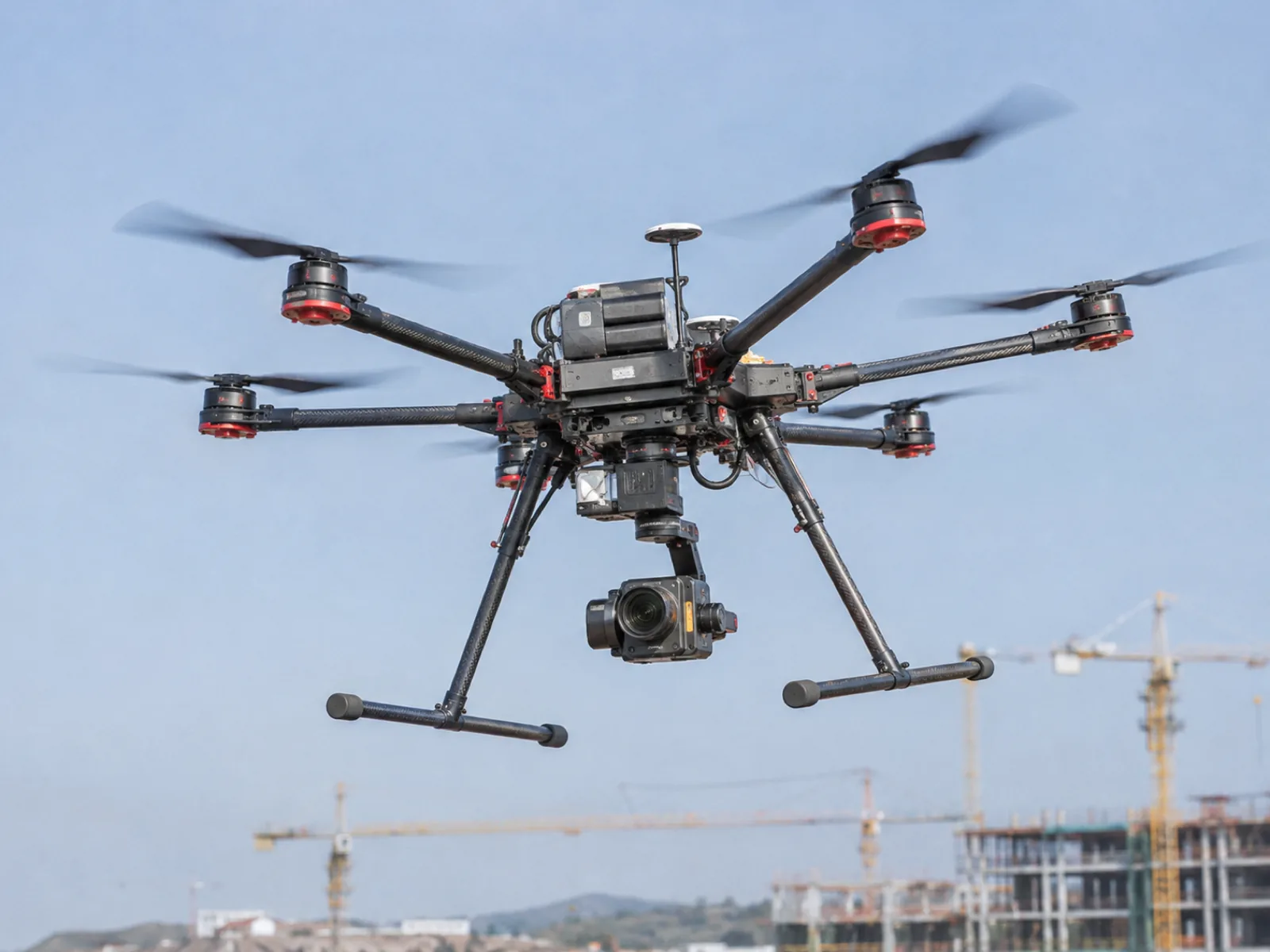
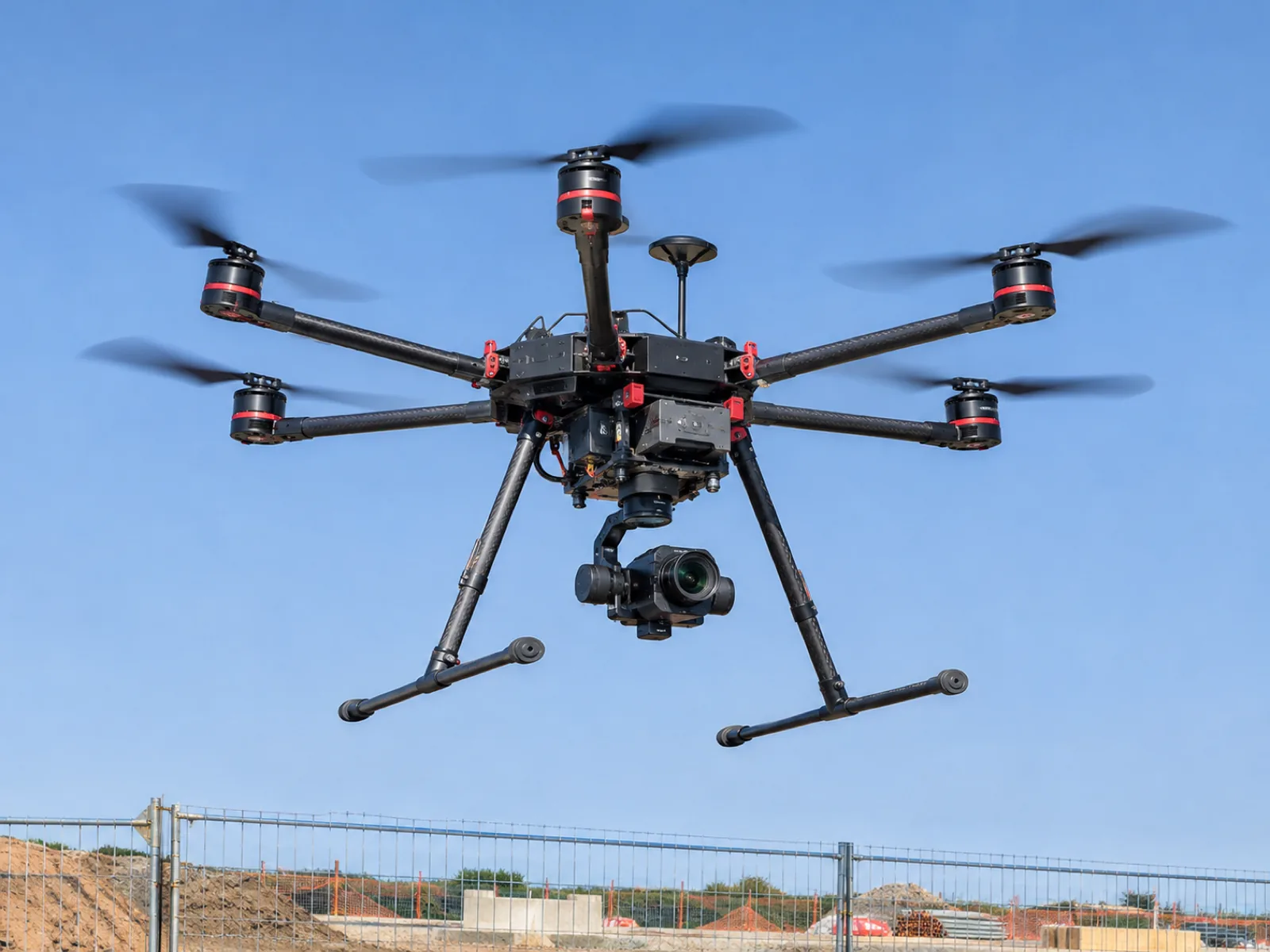
Large commercial platforms used for mapping, inspection or cinema rarely meet Category 1. Many operators simply plan flights that never pass over people.
Crowds, cars and Remote ID
Sustained flight over an open air assembly is only allowed for Categories 1, 2 and 4, and only when the drone meets Remote ID requirements.
Over moving vehicles, Categories 1 through 3 may only transit, unless you are inside a closed or restricted access site where the occupants know a drone may fly overhead.
Why this matters for your coverage
Your drone liability coverage is built around flights that follow FAA rules, and Skywatch expects every pilot to fly within them. If you make an honest mistake, you may still be covered, but that is not something to plan a client job around. Design the flight so the question never comes up.
If several pilots fly for you, keep everyone on the same rules, especially when you manage fleet coverage across different crews.
A quick pre job checklist
- Confirm which category, if any, your drone qualifies for.
- If none, plan a flight path that keeps people out from under the aircraft.
- Ask the client for a closed or restricted area.
- Check Remote ID before any flight near a crowd.
- Carry your remote pilot certificate and ID on every job.
When you are ready to cover your next project, you can get a quote online.
FAQ
Can I fly my commercial drone over people under Part 107?
Only if the drone meets one of the four Subpart D categories and you follow its rules.
What is a Category 1 drone?
One that weighs less than 0.55 pounds, including attachments, with no exposed rotating parts that could lacerate skin.
Do I need Remote ID to fly over a crowd?
Yes. Sustained flight over an open air assembly requires a Category 1, 2 or 4 drone that meets Remote ID requirements.
Can I fly over moving cars?
Categories 1 through 3 may only transit over moving vehicles, unless you are within a closed or restricted access site and the occupants are on notice.
Am I covered if I make a mistake with the rules?
If you make an honest mistake, you may still be covered, but the details depend on your policy.