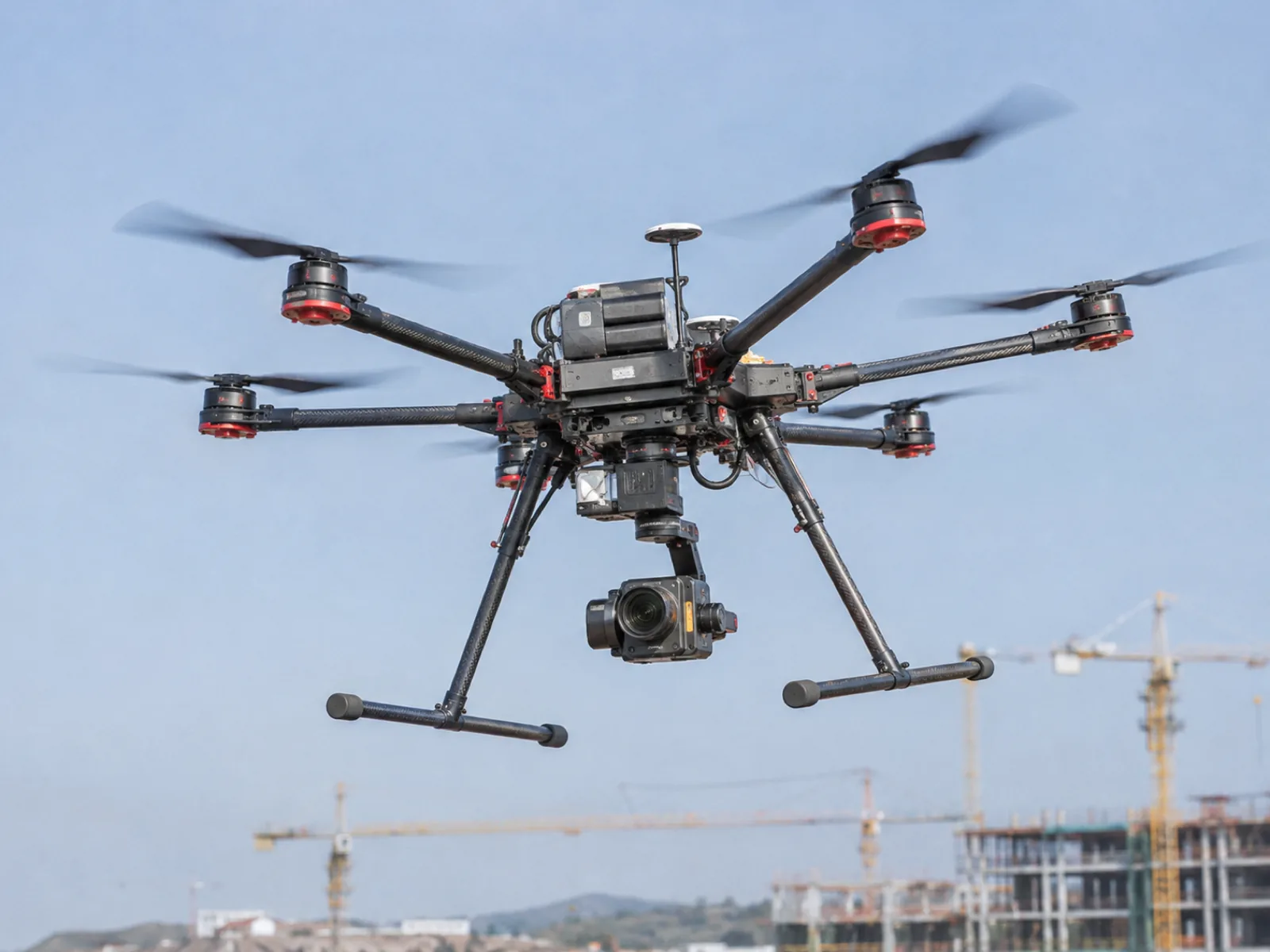
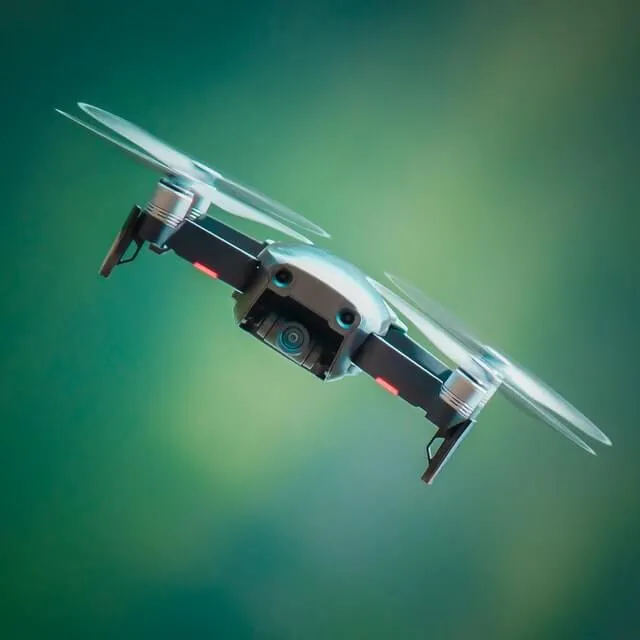
Most commercial operators we talk to treat Remote ID as a box they ticked once and forgot. But Remote ID is not a one time setup. It is part of flying legally on every job, and flying legally is the baseline for your insurance to hold.
The FAA ended its discretionary enforcement period on March 16, 2024. Since then, operators who fly a drone that must be registered without meeting the Remote ID rule can face fines and suspension or revocation of their drone pilot certificates.
Why Remote ID belongs on your insurance checklist
Drone insurance is written around legal operations. An honest mistake may still be covered, but flying without meeting FAA rules is the kind of issue that can raise questions after a claim. If you rely on commercial drone coverage to win client work, your compliance paperwork is part of that protection.
Three ways to comply, three different rules
The FAA gives you three options, and each one changes how you fly:
- Standard Remote ID drone. Built in by the manufacturer. It broadcasts identification and location for the drone and its control station.
- Remote ID broadcast module. An add on for drones without built in Remote ID. It broadcasts the drone and its take off location, and you must keep the drone in sight for the entire flight.
- FAA Recognized Identification Area (FRIA). A defined area where drones without Remote ID may fly, within visual line of sight and inside the FRIA boundaries.
Registration is where commercial operators slip
Under Part 107, each standard Remote ID drone or module is registered separately and gets its own registration number. If you added Remote ID to a drone you registered earlier, the FAA asks you to edit that entry, change the Remote ID question to "Yes" and enter the serial number of the drone or module. Operators who manage several aircraft under one program, or who are building fleet coverage, should check every entry, not just the newest drone.
A quick Remote ID compliance check
- Confirm which of the three compliance methods each drone uses.
- Look up each device in the FAA Declaration of Compliance system. Only manufacturers submit declarations.
- Make sure each registration shows "Yes" for Remote ID and the correct serial number.
- If you fly with a module, plan every job around visual line of sight.
- Keep the records with your policy documents.
If you are reviewing your coverage at the same time, you can get a quote from Skywatch and match your policy to the drones you actually fly.
FAQ
Does Remote ID apply to commercial drone operators?
Yes. It applies to drones that are required to be registered or are already registered, including those flown for business.
What happens if I fly without Remote ID?
The FAA says operators who do not comply could face fines and suspension or revocation of their drone pilot certificates.
Can a Remote ID problem affect my insurance?
It can. Coverage is written around legal operations. An honest mistake may still be covered, but staying compliant keeps that question off the table.
Can I move one broadcast module between drones?
Under Part 107, each standard Remote ID drone or module is registered separately with its own registration number. Check your registrations before swapping hardware.
Where do I check whether my drone meets Remote ID?
Use the FAA Declaration of Compliance system. If your device is not listed, do not submit a declaration yourself since only manufacturers can.