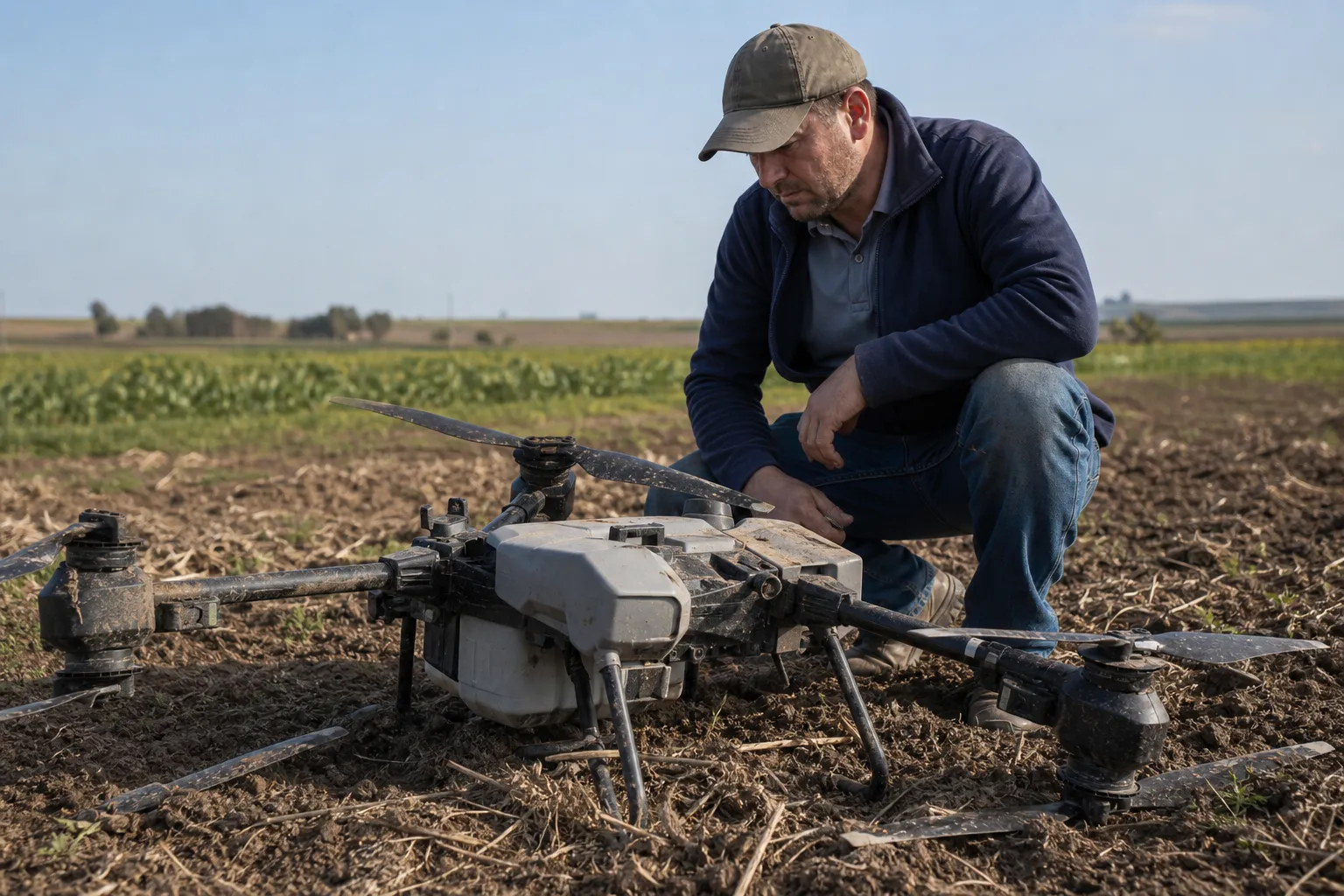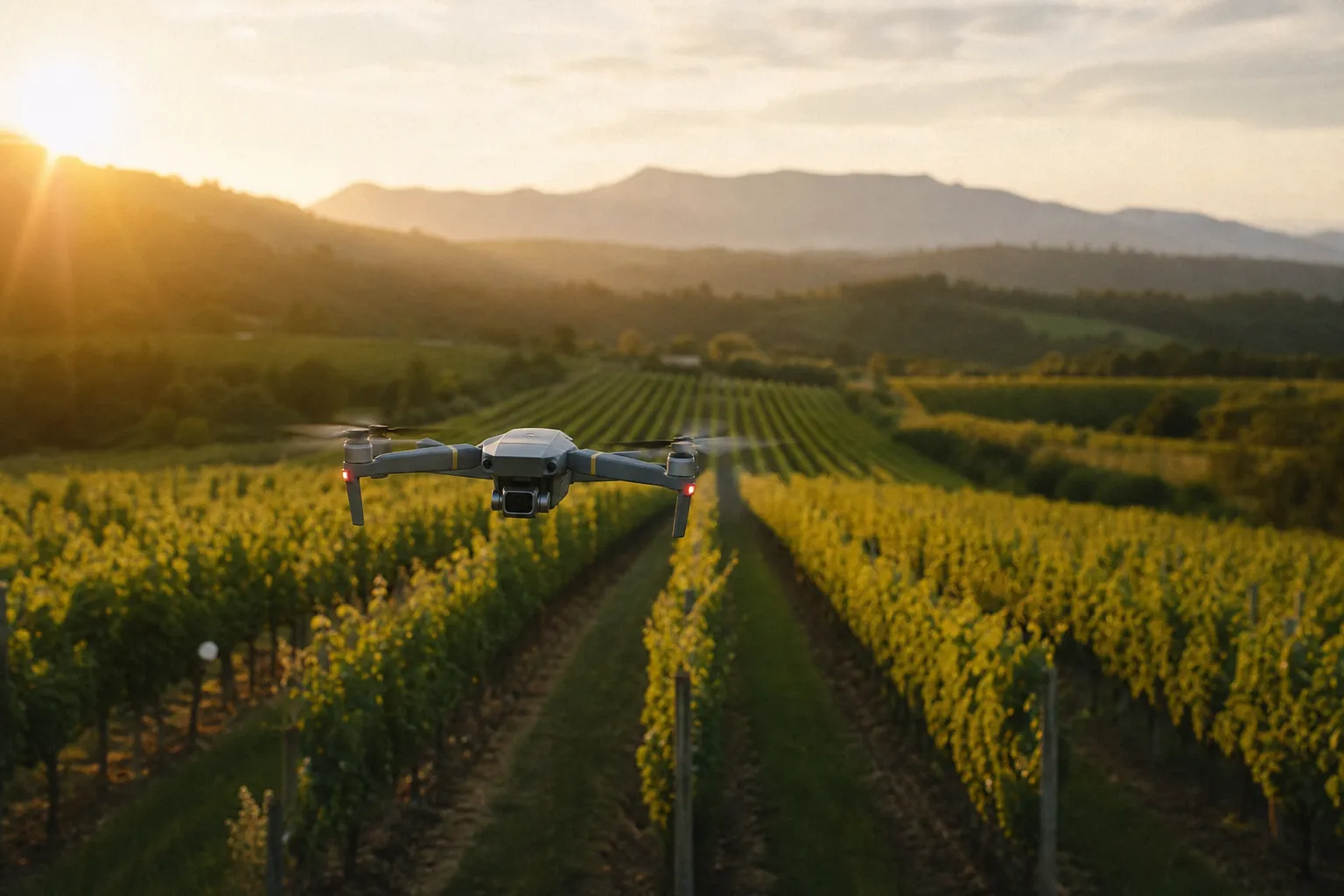
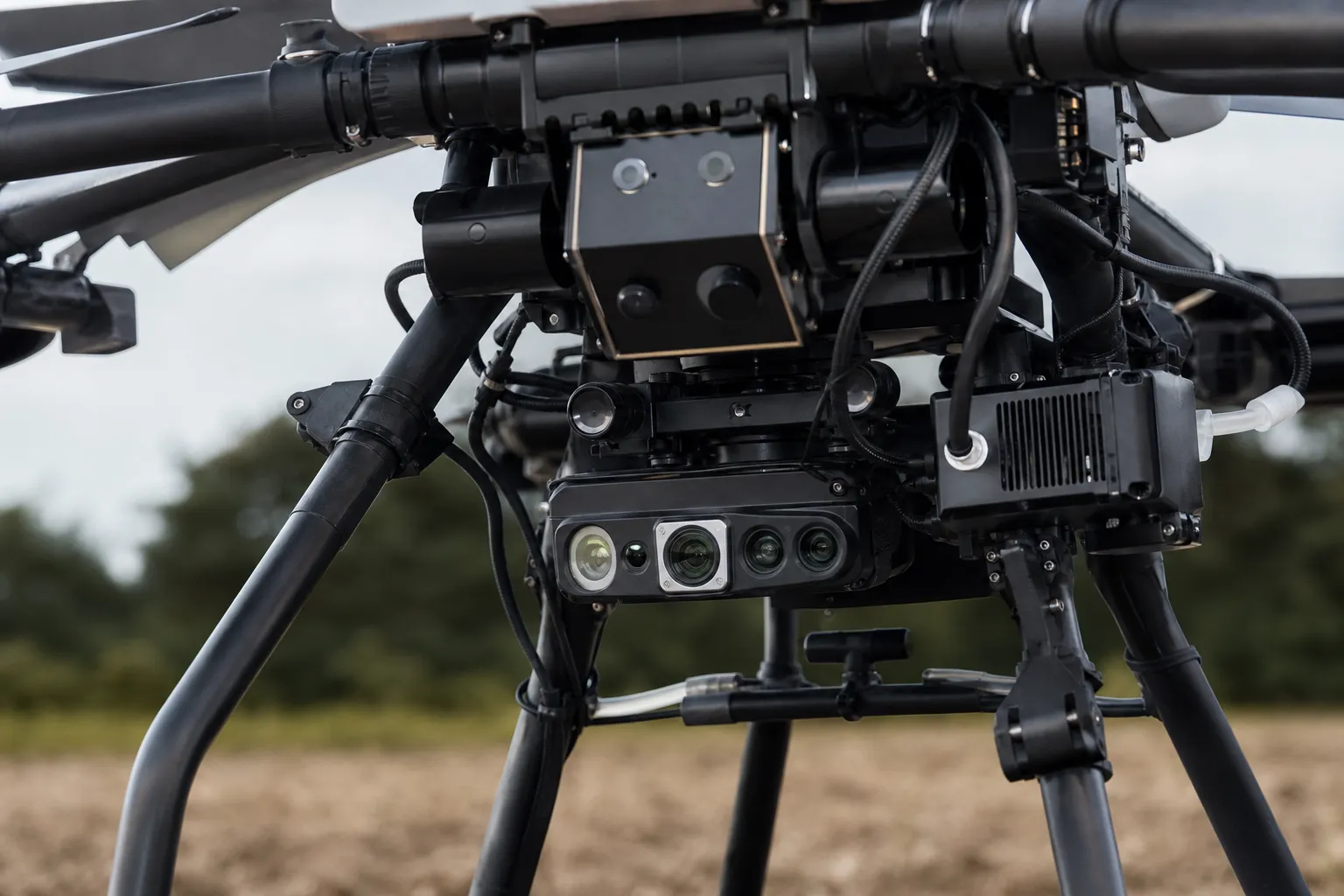
Agricultural drone operators put serious money into their equipment. A multispectral sensor alone can run $10,000 to $30,000. Add a precision spray system, a thermal camera, or a LiDAR unit, and you're looking at payloads that cost more than the airframe itself. So when operators ask about ag drone insurance, the real question usually isn't about the drone. It's about everything attached to it.
Ag drone payload sensor insurance is a specific coverage need that catches a lot of operators off guard. Standard drone insurance policies are written around the aircraft. Payloads, sensors, and spray systems are often treated differently, and not always in your favor.
How Standard Hull Insurance Treats Payloads vs. Airframe
Hull coverage is what most people picture when they think about insuring a drone. It covers physical damage to the aircraft itself, the motors, the frame, the electronics that make it fly. What it often does not cover, at least not automatically, is the payload attached to it.
This is where ag drone payload sensor insurance gets complicated. Many standard hull policies either exclude payloads entirely or only cover them up to a sublimit that doesn't reflect their actual replacement cost. A $25,000 multispectral sensor mounted to a $15,000 airframe might be covered for a fraction of its value under a generic policy. That gap is real, and it's a problem.
The distinction matters because underwriters look at payloads differently than airframes. Payloads are swapped between aircraft. They're handled on the ground. They're exposed to chemical residue from spray operations. They get damaged in ways that have nothing to do with a crash. A sensor dropped during a field swap, or a spray system corroded by agricultural chemicals, may not be covered under a basic hull policy at all.
We work with underwriters who specialize in ag drone operations, and this payload coverage gap comes up constantly. Operators assume they're covered because they have hull insurance. They find out otherwise when they file a claim.
For spray system insurance drone coverage specifically, the situation is even more nuanced. Spray systems are mechanical. They have pumps, nozzles, tanks, and tubing that wear down and fail. Coverage for mechanical breakdown is generally separate from coverage for accidental damage, and many policies don't include it at all. Operators running regular spray applications need to read those policy terms closely.
Drone sensor coverage for agriculture is another area where the details vary widely. Some policies cover sensors as part of the scheduled equipment, but require you to list each sensor separately with its own insured value. Others bundle them under a general equipment category. If your sensor isn't listed by make, model, and serial number, there may be a dispute about its value at claim time.
The right approach is to get a policy that explicitly covers your payload and sensor equipment at actual replacement cost, not market value or depreciated value. Replacement cost coverage means if your LiDAR unit is destroyed, you get enough to buy a new one, not a check for what a used one might sell for.
At SkyWatch, we've issued more than 300,000 commercial drone insurance policies, and agricultural operations are among the most equipment-intensive we see. The operators who come to us after a bad claims experience almost always have the same story: they didn't realize their sensors weren't fully covered until something went wrong.
Ag drone equipment coverage also needs to account for liability. A malfunctioning spray system that drifts product onto a neighboring field isn't just a property damage problem for you. It's a liability exposure. Crop damage claims from spray drift can be significant, and your liability coverage needs to be structured to handle that specific risk, not just a generic premises or operations liability form.
Getting ag drone payload sensor insurance right means being specific. Know the replacement cost of every sensor and system you're flying. Confirm that your policy covers each one explicitly. Check whether your spray system is covered for accidental damage as well as liability from chemical drift. And if you're flying under a Part 107 waiver or for hire, make sure your commercial operations are covered, not excluded.
Our nearly perfect 5-star customer support rating comes partly from helping operators actually understand what they have before they need to use it. That's where the value is. Not in selling a policy, but in making sure it works when it matters.
If you're running a commercial ag drone operation, commercial drone insurance that accounts for your full equipment investment isn't optional. It's the baseline.
Frequently Asked Questions
Does standard drone hull insurance cover agricultural sensors and spray systems?
Not always. Standard hull insurance covers the airframe and flight electronics, but payloads like multispectral sensors, LiDAR units, and spray systems are often excluded or covered only up to a sublimit. Operators should request a policy that explicitly schedules each payload item at its full replacement cost to avoid coverage gaps at claim time.
How much does ag drone payload sensor insurance typically cost?
Cost depends on the total insured value of your equipment, your operational area, annual flight hours, and the types of payloads you're flying. A policy covering a drone, a multispectral sensor, and a spray system with $1 million in liability can range from a few hundred to over a thousand dollars annually. Getting a quote with your specific equipment listed is the only way to get an accurate number.
Is spray drift liability covered under standard agricultural drone insurance?
It depends on the policy language. Some agricultural drone insurance policies include coverage for chemical drift and crop damage liability, while others treat it as a pollution or pesticide application exclusion. Operators should confirm explicitly that their liability coverage addresses spray drift before flying commercial spray applications.
Do I need to list each sensor separately on my drone insurance policy?
Yes, in most cases. Policies that cover payloads typically require you to schedule each sensor by make, model, and serial number with a stated insured value. Unlisted sensors may be denied at claim time or paid out at a depreciated value rather than replacement cost. Keeping an updated equipment list and providing it to your insurer is standard practice for ag drone operators.
Get a quote at skywatch.ai