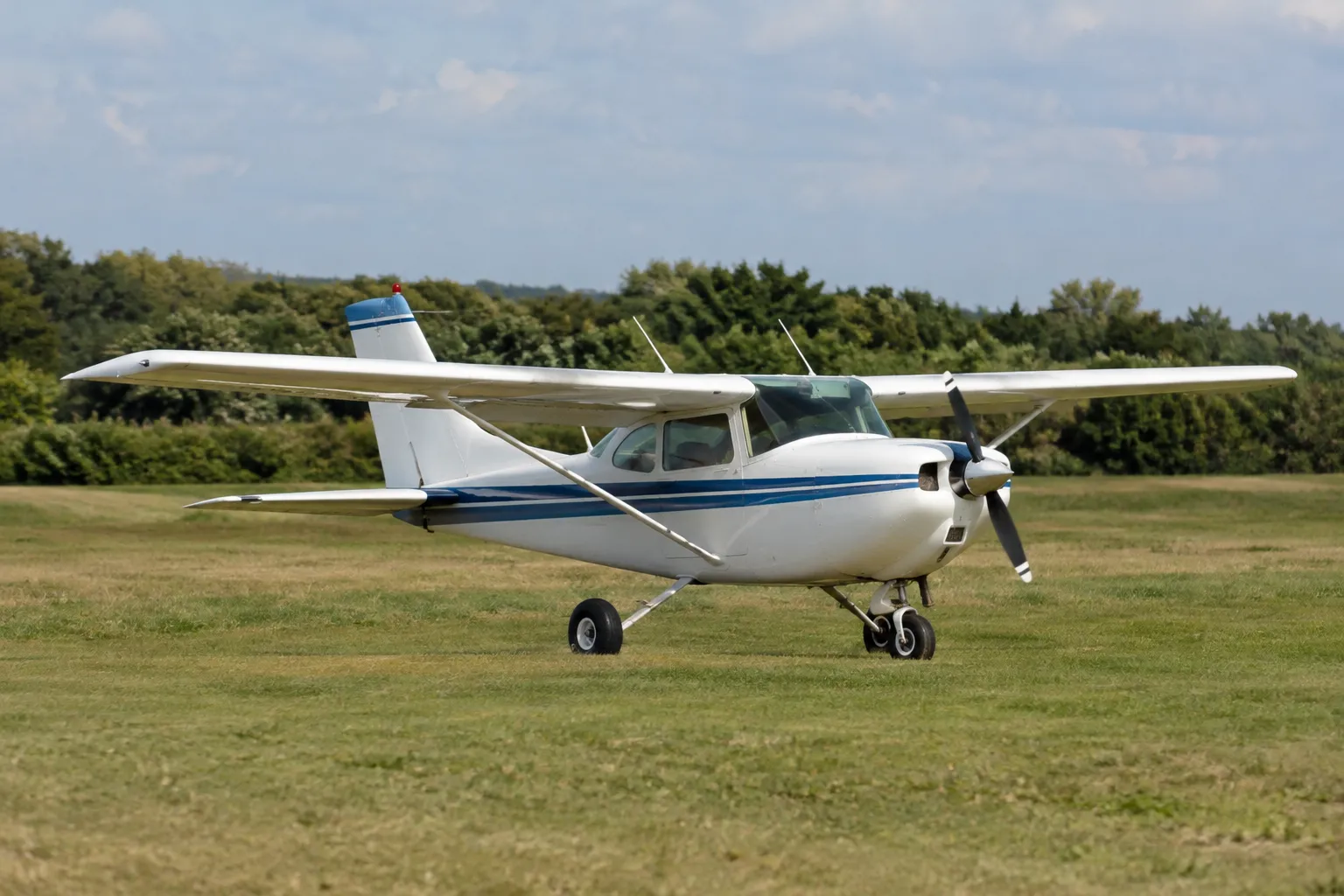


Sharing a plane makes ownership more affordable and keeps the aircraft flying. It also raises insurance questions a single owner never has to think about. Who is the insured? Who gets to fly it? What happens when a partner leaves? Here is how we suggest co-owners work through it.
Start with who is the named insured
Most co-owned aircraft are held in one of three ways: a general partnership, joint ownership by several individuals, or an LLC that owns the plane while its members fly it. The policy should match how the aircraft is actually titled. If the registration shows an LLC, the LLC is generally the named insured. If it shows four people, all four should be named. A mismatch between registration and policy is the kind of detail that causes headaches at claim time, so confirm it before you bind coverage.
Every partner is a pilot the insurer reviews
Insurers look at every pilot who will fly the aircraft, not just the person filling out the application. Total time, time in make and model, ratings and recent experience for each partner can all matter. A partner who has never flown the type may be treated differently from three who have flown it for years. Ask how your policy handles a pilot who is not yet named, and what is needed before a new partner takes the controls. Make this part of your routine when you review your policy before renewal.
Set the hull value as a group
Hull coverage on most owner policies is built around an agreed value, which we explain in our guide to how hull coverage works. In a partnership, that number is also a shared financial decision. Set it too low and everyone absorbs the gap after a total loss. Set it higher and everyone shares the premium that goes with it. Agree on it together and revisit it every year.
Put the insurance rules in your co-ownership agreement
Your written agreement should say who manages the policy, who pays the premium and by when, and what experience a partner needs before flying. It should also cover what happens if someone lets their share of a payment slip, since a lapse in coverage affects every partner, not just the one who missed it. Finally, plan for exits and new partners. A change in the roster usually means a change to the policy. Your attorney can help with the agreement, and your insurance professional can walk you through the policy details.
Frequently Asked Questions
Can every partner be covered under one policy?
Generally, yes. A co-owned aircraft is normally insured on a single policy that lists the owners and the pilots who are approved to fly it. The exact terms depend on the policy.
Does putting the plane in an LLC change the insurance?
It changes who the named insured is, so the policy should reflect the LLC. Talk to an attorney about whether an LLC makes sense for your group.
Do all partners need to be named pilots?
Anyone who will fly the aircraft should be reviewed and approved under the policy terms. Do not assume a partner is covered just because they share ownership.
What happens to the policy when a partner leaves or joins?
The policy usually needs to be updated to reflect the new ownership and pilot list. Tell your insurance professional before the change takes effect.
Is non-owned insurance enough for a flying club or partnership share?
Not when you actually own part of the aircraft. Non-owned coverage is meant for flying aircraft you do not own, so partners generally need owner coverage that names the aircraft.