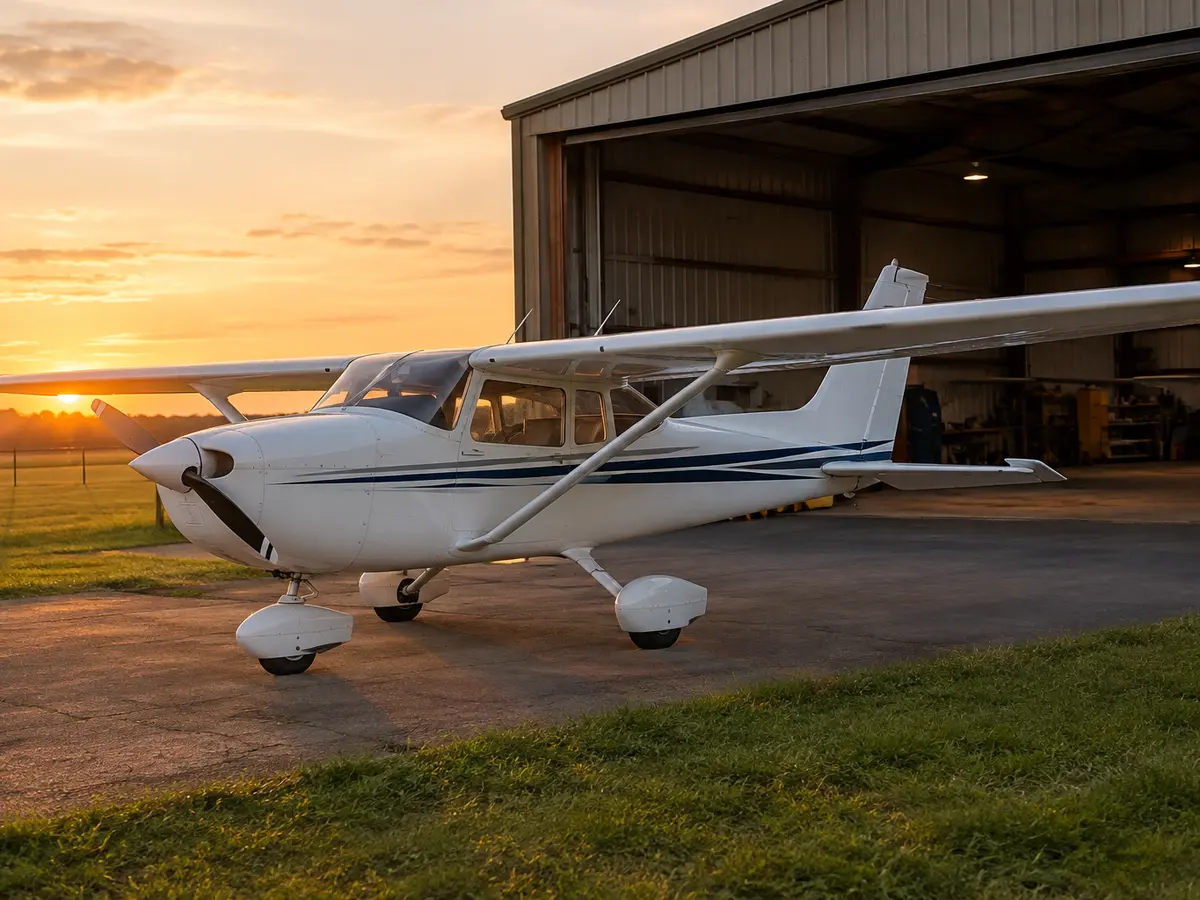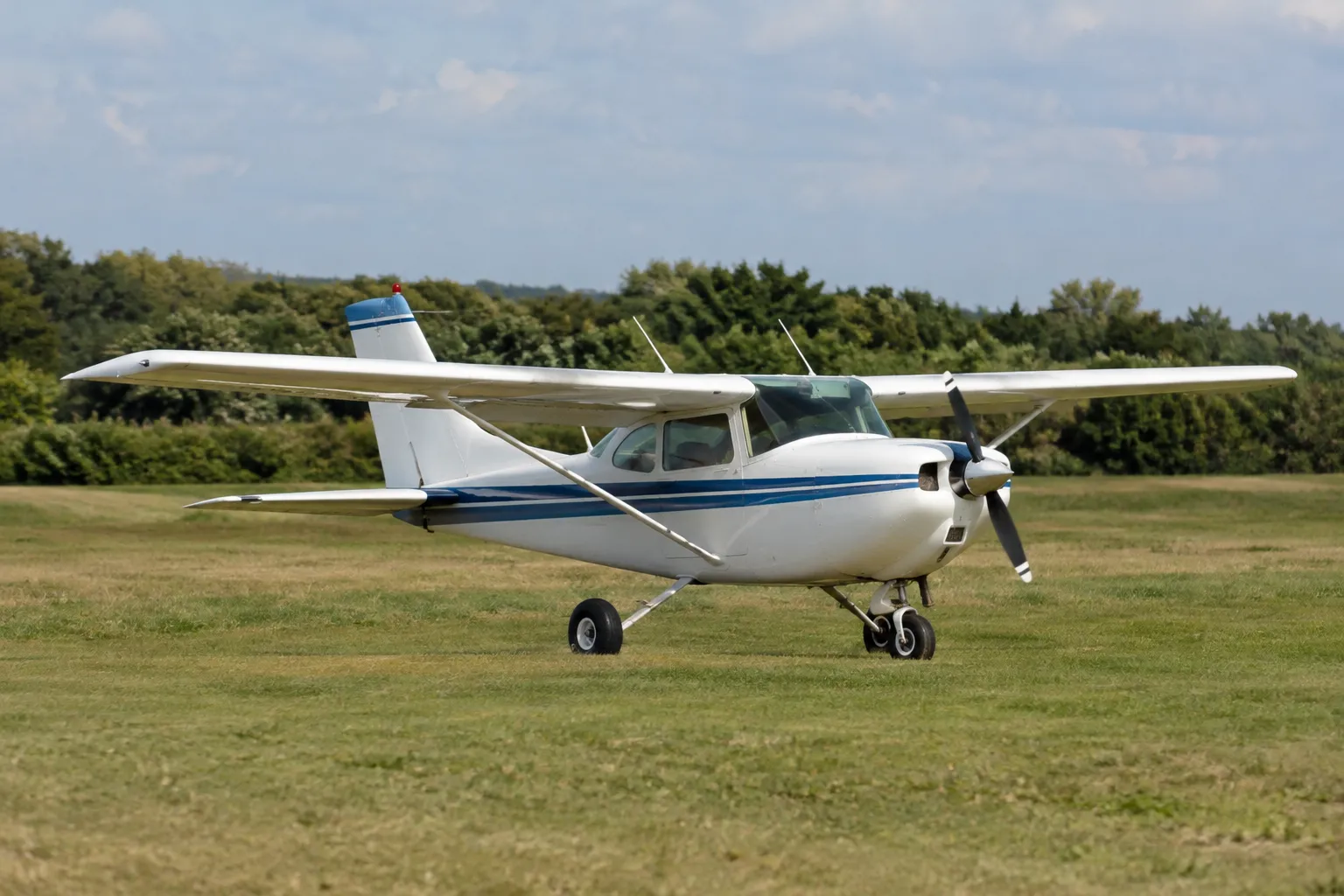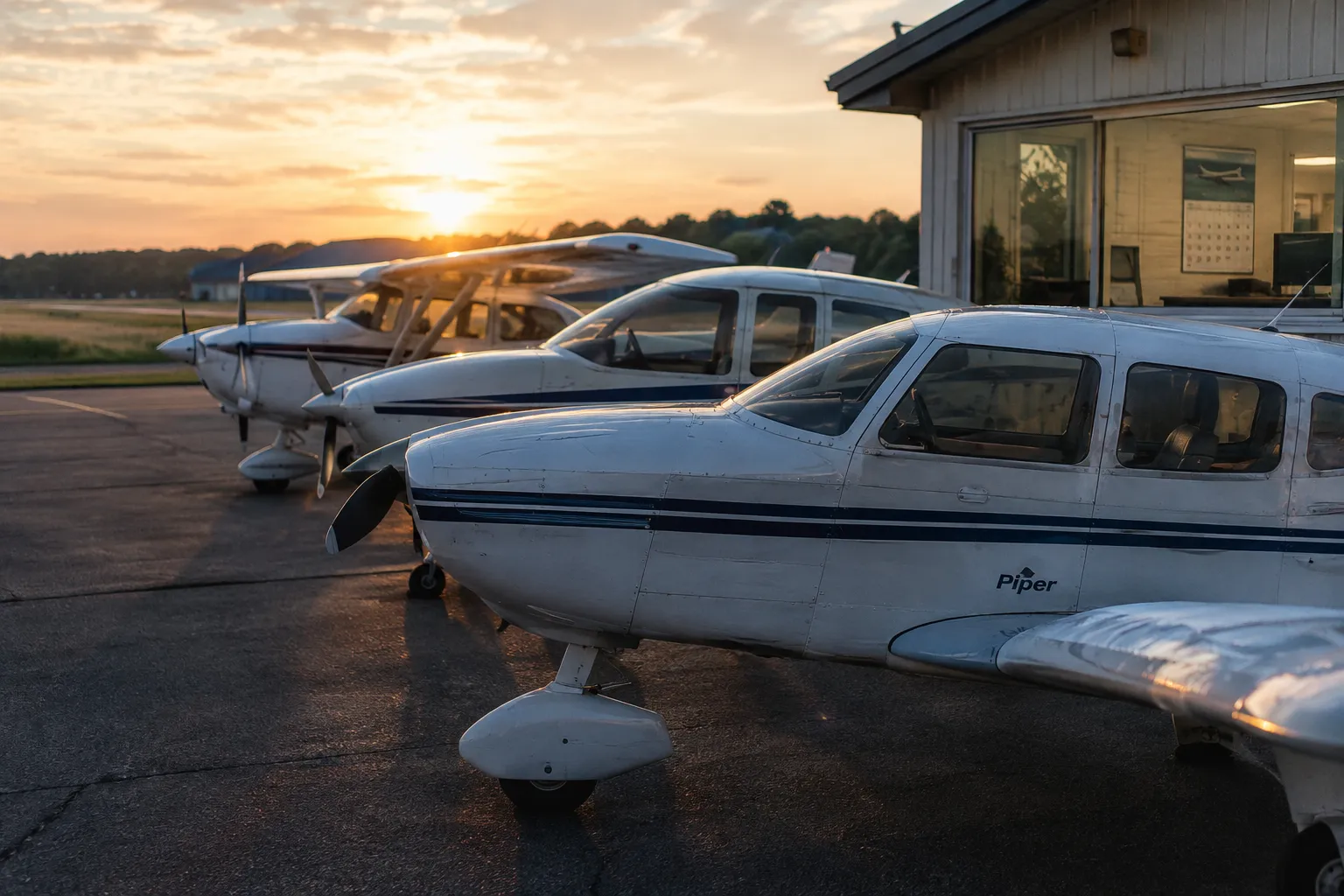

A student clips a wingtip on the ramp and calls their renters insurer first. Or the school sends the repair invoice to the student and assumes their policy will pay it. Both happen often, and both slow a claim down. The confusion usually comes from one assumption: that the renter's policy is the policy for the aircraft. It isn't.
This guide explains which policy typically responds in common flight school scenarios, so your front desk can set expectations before a claim, not during one.
Two policies, two different jobs
The school's policy is written for the school and its aircraft. When a school aircraft is damaged, the hull coverage on the school's own instruction and rental insurance is usually the first policy to respond.
The renter's policy follows the pilot, not the aircraft. Aircraft renters insurance is built for the pilot's own exposure: liability to passengers and third parties, damage the pilot is held responsible for, and, if purchased, deductible reimbursement. Many renters policies are excess coverage, which means they respond after the school's insurance pays or does not apply to the pilot.
When students understand that order, most of the friction around claims goes away.
Who typically covers it?
| Scenario | Who typically covers it? |
|---|---|
| Renter damages the school's aircraft | School's hull insurance generally responds first |
| School's insurer pays for repairs | School's insurance, subject to its deductible |
| School has a $5,000 deductible | Deductible reimbursement on the renter's policy may respond, if that coverage was purchased and up to the limit selected |
| School's insurer seeks reimbursement from the pilot (subrogation) | Renter's policy may cover the pilot's legal liability, subject to policy terms and limits |
| Renter is personally liable for injury to a passenger or third party | Renter's liability policy may respond |
| Mechanical failure causes damage without renter negligence | Typically the school's hull insurance, rather than the renter's liability coverage |
| Aircraft is damaged on the ground while no renter is using it (storm, hangar incident) | Typically the school's insurance, since no renter was operating the aircraft |
| A part wears out with normal use | Usually a maintenance cost for the school, not an insurance claim on either policy |
Every answer above depends on the actual policy wording and your rental agreement. The table shows the typical order, not a guarantee of coverage.
Four scenarios your front desk will recognize
A wingtip strike during taxi. A student clips a hangar door. The school files the repair on its hull policy and pays its deductible. If your rental agreement makes the renter responsible for that deductible and the renter purchased deductible reimbursement, their policy may respond up to the limit they selected.
Your insurer pursues the student. After paying the repair, your carrier decides the renter was at fault and seeks reimbursement. This is subrogation. The renter's policy may cover their legal liability, subject to its terms and limits. Our renters guide on what a flight school's insurance doesn't cover explains this from the pilot's side.
An engine problem with no pilot error. A mechanical failure damages the aircraft during a solo flight, and nothing the student did caused it. This is typically a matter for your hull insurance and maintenance program, not the student's policy.
Overnight storm damage. An aircraft is damaged while tied down after the last rental of the day. No renter was operating it, so this typically goes to the school's insurance.
What a renter's policy is generally not designed to cover
- Repairs to your aircraft that your own hull policy should pay first.
- Damage from mechanical failure, wear and tear, or maintenance issues where the renter was not negligent.
- Routine maintenance, inspections, or upkeep of your fleet.
- Coverage the renter did not select. A liability-only policy will not reimburse a deductible or pay for physical damage.
How to reduce claim friction at your school
- State in your rental agreement who pays the deductible, and whether you waive subrogation against renters.
- If you pass the deductible to renters, consider requiring deductible reimbursement as part of your minimums.
- Explain the order of claims at checkout: the school files on its policy first, and the renter notifies their own insurer.
- Check every certificate of insurance before a student flies, using a routine like our pre-flight insurance checklist.
- Report incidents to your carrier right away, and ask the renter to report to theirs at the same time.
Skywatch can also customize a flight school portal to your minimum thresholds, so students only see qualifying options. See how in our guide to setting minimum insurance thresholds.
Frequently asked questions
A student damaged one of our aircraft. Should we file with the student's insurer?
Usually not first. The school's hull insurance typically responds first to damage to its own aircraft. The student's renters policy may respond to amounts the student is held responsible for, such as a subrogation claim or a deductible they owe under the rental agreement.
Our deductible is $5,000 and our rental agreement passes it to the renter. Will their policy pay it?
Only if the renter purchased deductible reimbursement. On Skywatch renters policies it is available up to $25K and reimburses the owner or lessor policy holder of the non-owned aircraft up to the physical damage deductible paid, but not more than the deductible limit purchased.
Our insurer wants to recover the repair cost from the student. Is that covered?
The renter's policy may cover the pilot's legal liability in a subrogation claim, subject to its terms and limits. Whether your insurer can pursue the renter at all often depends on whether your rental agreement waives subrogation.
An engine failed on a solo flight and damaged the aircraft. Does the student's policy respond?
Generally no, if the student was not negligent. Mechanical failure is typically handled by the school's hull insurance and maintenance program rather than the renter's liability coverage.
An aircraft was damaged in a storm overnight after a rental. Whose policy applies?
Typically the school's. The renter was not operating the aircraft at the time, so the renter's policy is not designed to respond.
A rental comes back with a worn tire or a broken gas strut. Is that an insurance claim?
Usually not. Normal wear is a maintenance cost. Insurance is generally written for sudden, accidental loss, so a part that wore out with use is not a claim on either policy.
Can we require deductible reimbursement as a minimum?
Yes. You set your own minimums, and Skywatch can customize a flight school portal to those thresholds so renters only see options that qualify.
Ready to set clear requirements for your renters? Pilots can start a quote for non-owned aircraft insurance in a few minutes.