Roofers, surveyors, real estate photographers and construction firms often add a drone to the business and assume the general liability policy they already pay for will handle it. It is one of the most common assumptions we hear from commercial operators, and it is often wrong.
The aircraft exclusion
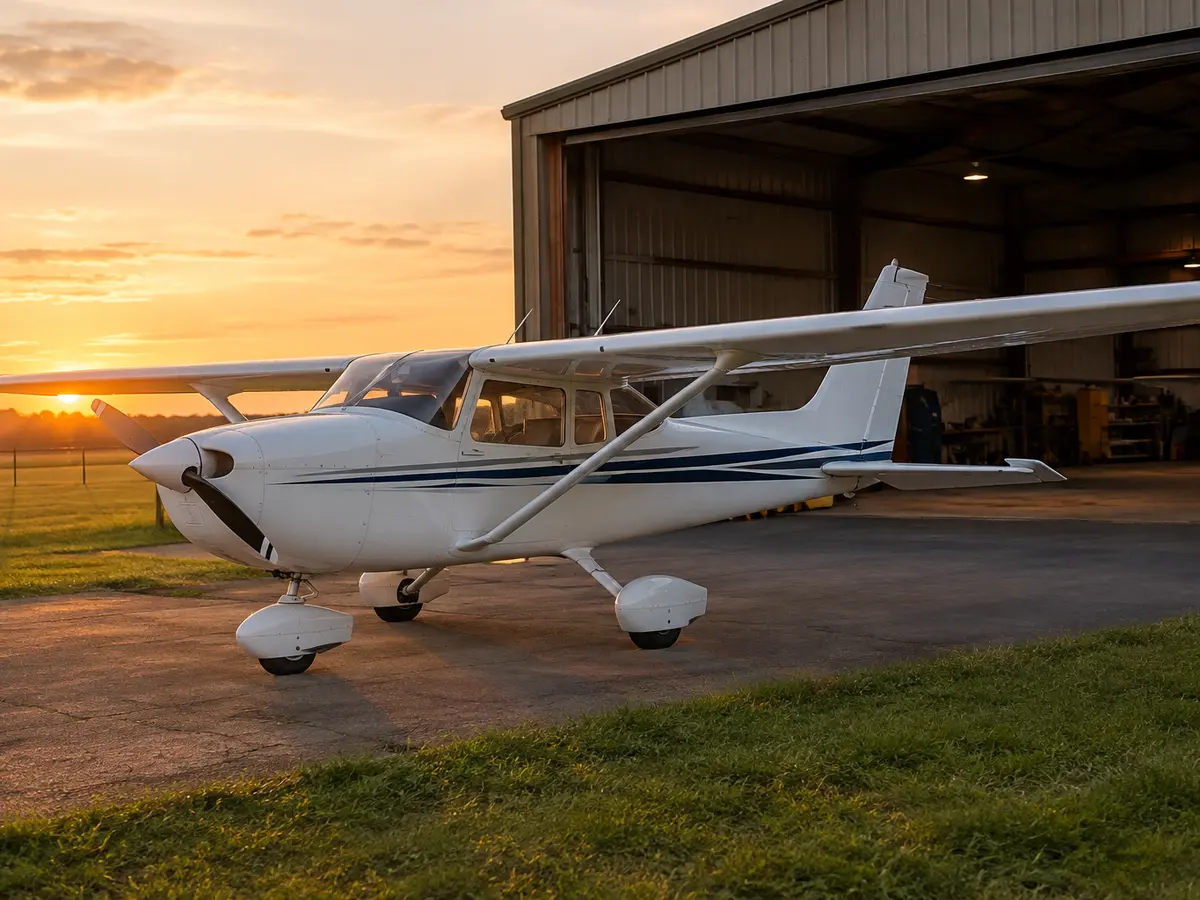
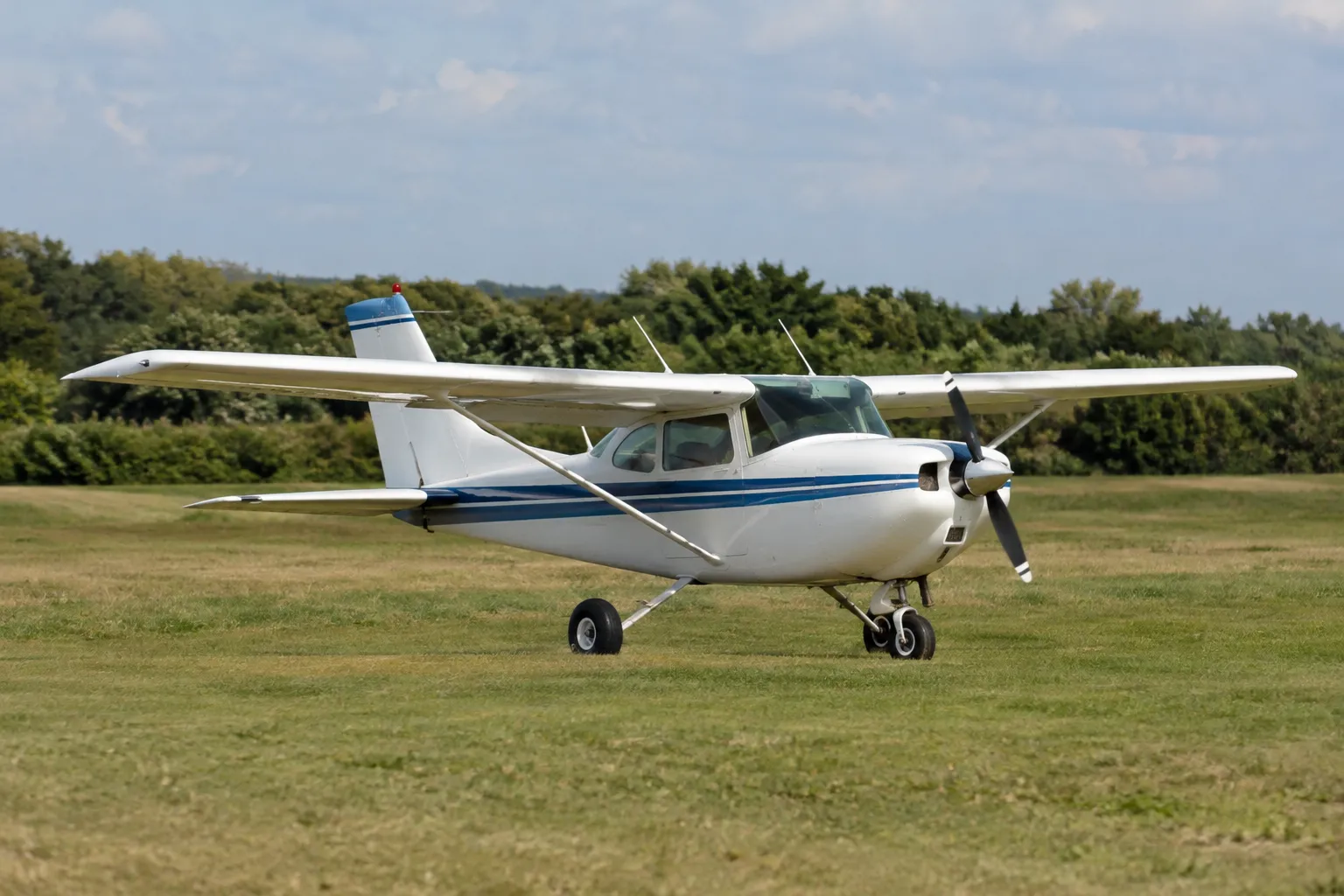
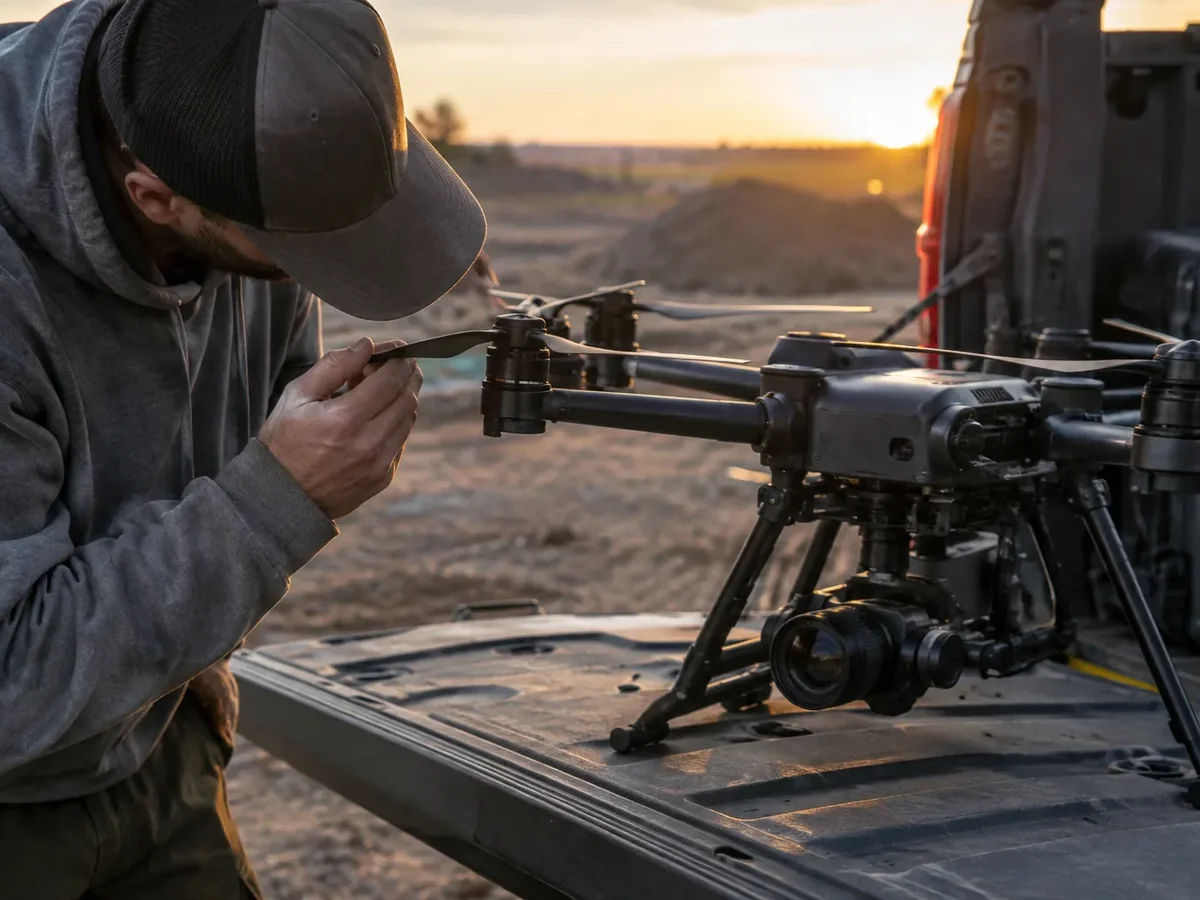
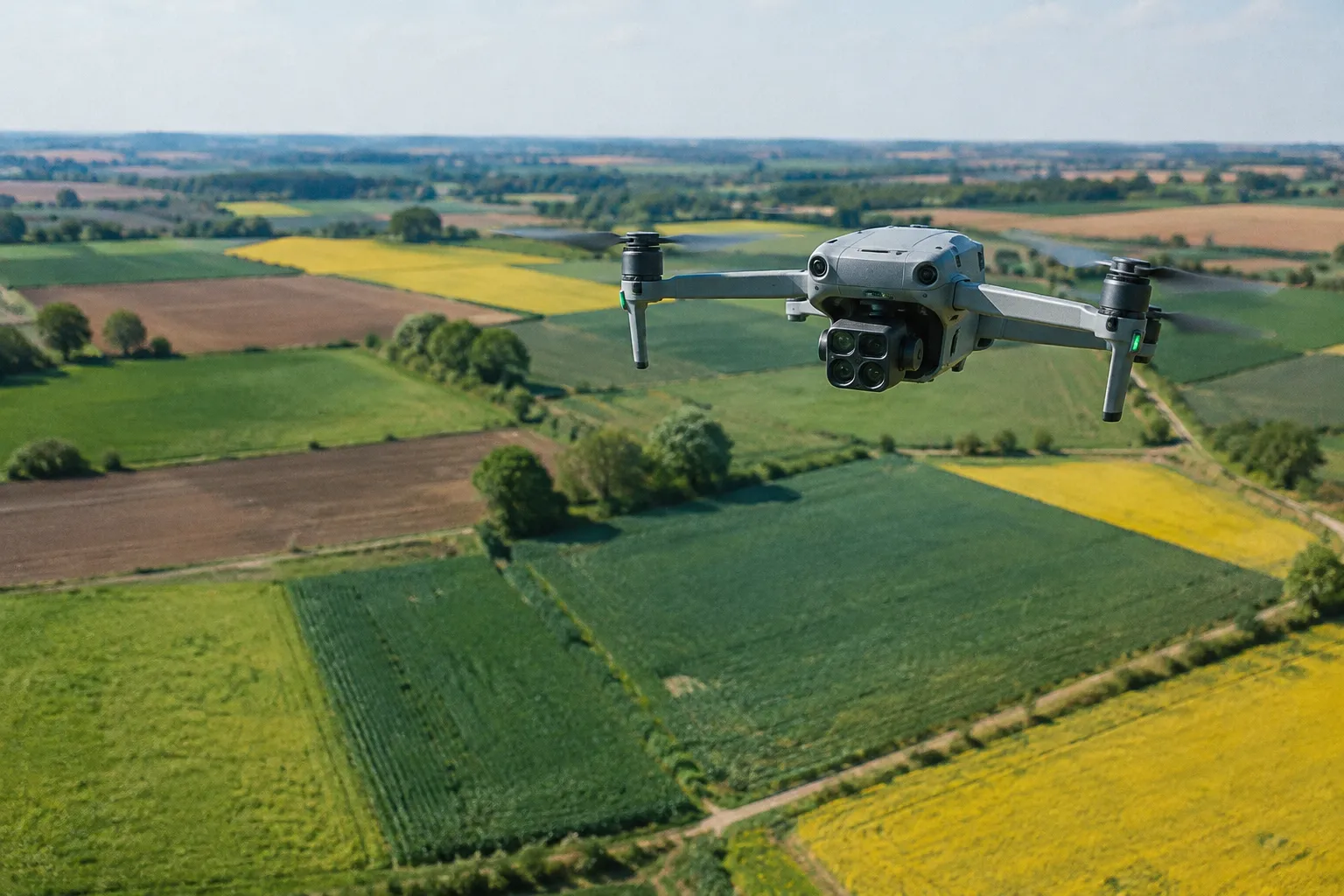
Standard commercial general liability (CGL) and business owners policies usually exclude bodily injury and property damage arising from the ownership, maintenance or use of an aircraft the insured owns, operates, rents or borrows. The FAA treats drones as aircraft. That means an exclusion written with planes in mind can apply to the quadcopter in your truck.
This is not a theory. In a 2018 California federal case, Philadelphia Indemnity Insurance Co. v. Hollycal Production, a wedding guest lost sight in one eye after being hit by a drone. The production company argued a camera drone was not an aircraft because it could not carry people or cargo. The court disagreed and found the insurer had no duty to cover the claim under the aircraft exclusion.
Drone endorsements exist, with limits
Since 2015, insurers have had standard endorsements they can add to a CGL policy for unmanned aircraft. Some remove drone coverage outright. Others give back limited coverage, usually only for scheduled drones on scheduled operations, and often at extra cost. Not every carrier offers them, so do not assume your policy has one. Read the endorsements in your policy or ask your agent to confirm in writing.
Watch the project wrap policy too
On large construction jobs, a wrap-up program (OCIP or CCIP) may insure the site. Those programs can carry their own drone exclusion. Being enrolled in a project's insurance does not mean your flights are covered.
What to check before your next job
- Search your CGL, business owners and umbrella policies for the words "aircraft" and "unmanned aircraft."
- Look for any endorsement that adds or removes drone coverage, and note whether it lists specific drones or operations.
- Confirm that the certificate of insurance you send clients actually covers your flights.
- If the answer is unclear, get dedicated drone liability coverage so the question does not come up after a claim.
A dedicated drone insurance policy is written for how drones are flown, so you are not relying on how a court reads a definition. If you want to see what that looks like for your operation, you can get a quote online.
FAQ
Does my general liability insurance cover my drone?
Often it does not. Most standard CGL and business owners policies exclude injury and damage arising from aircraft you own or operate, and drones are treated as aircraft.
Is a drone considered an aircraft?
Yes. The FAA treats drones as aircraft, and a federal court has applied a CGL aircraft exclusion to a camera drone.
Can I add drones to my existing business policy?
Some insurers offer drone endorsements for a CGL policy. They are often limited to scheduled drones and operations and may cost extra.
Does a construction project's wrap policy cover my flights?
Not necessarily. Wrap programs can include a drone exclusion, so check the program documents before you fly on site.
What is the simplest way to know I am covered?
Carry a dedicated drone liability policy and keep its certificate ready for clients. That removes the guesswork about how your general policy defines aircraft.