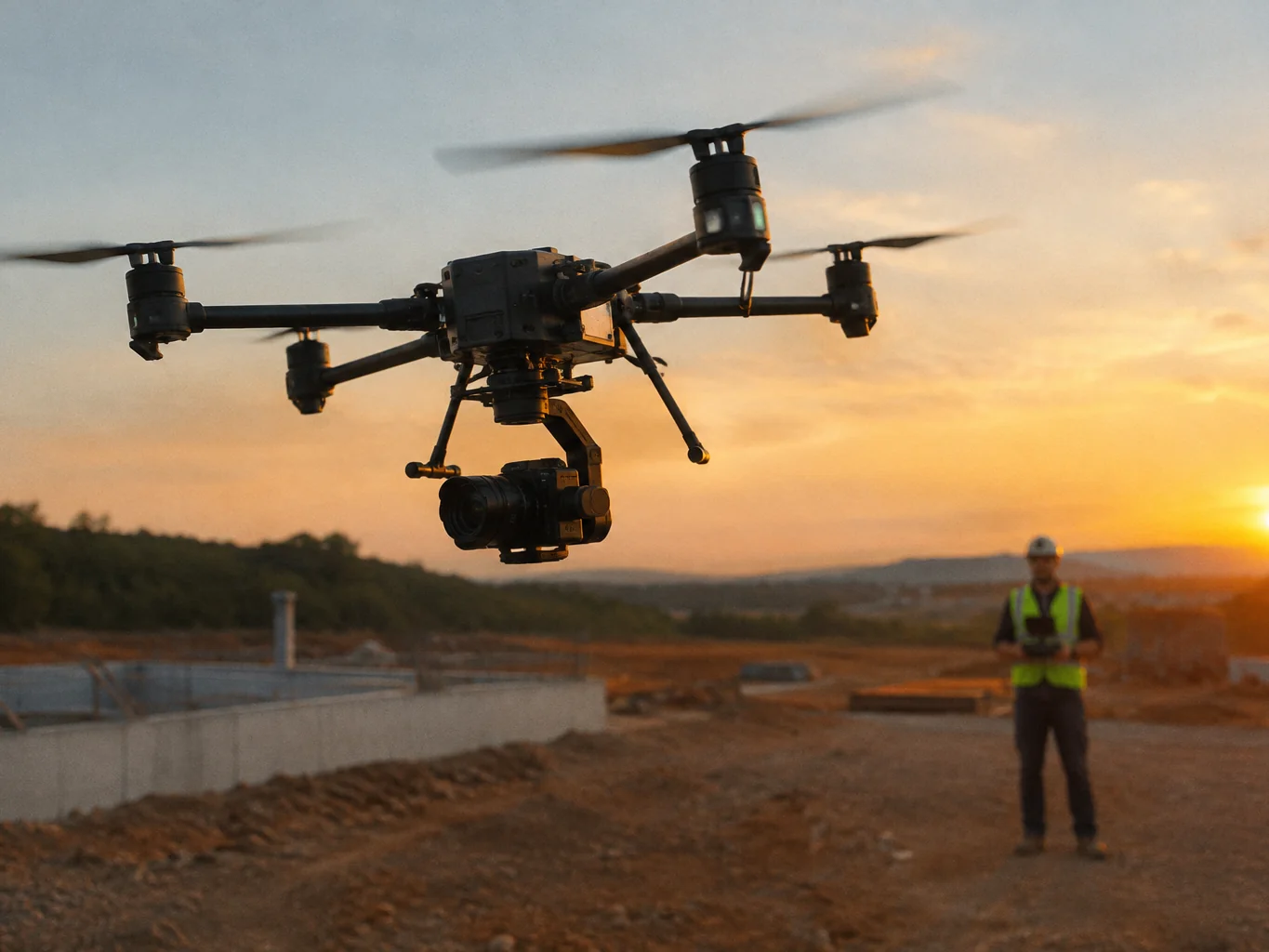
Operating an agricultural drone beyond visual line of sight is a different game entirely. The airspace changes. The risk profile changes. And in most cases, your insurance coverage needs to change too. If you're flying BVLOS for crop scouting, precision spraying, or large-scale field mapping, understanding what your policy actually covers, and what it doesn't, matters more than most operators realize.
BVLOS agriculture drone insurance is a specific category of coverage, not just a standard policy with a checkbox. The FAA requires a waiver before you can legally fly beyond visual line of sight, and insurers treat those operations with a separate set of underwriting criteria. That combination of regulatory complexity and elevated operational risk is exactly why so many ag drone operators find themselves underinsured without knowing it.
Why Standard Policies May Not Cover BVLOS Agricultural Flights
Most drone insurance policies are written with standard VLOS operations in mind. The pilot sees the aircraft. The aircraft stays within a defined visual bubble. That's the baseline assumption baked into the coverage language. The moment you fly beyond that visual threshold, you've moved into territory that many off-the-shelf policies simply weren't designed for.
This is a real gap in the market. We've issued more than 300,000 commercial drone insurance policies, and BVLOS operations consistently come up as one of the areas where operators discover too late that their existing coverage doesn't apply. The issue usually surfaces during a claim, which is the worst possible time to find out.
For agricultural drone insurance to actually work in a BVLOS context, the policy needs to reflect the specific nature of the operation. That means accounting for extended range, reduced pilot situational awareness, potential for flyaways, and the additional liability exposure that comes with covering large swaths of terrain, sometimes over property you don't own.
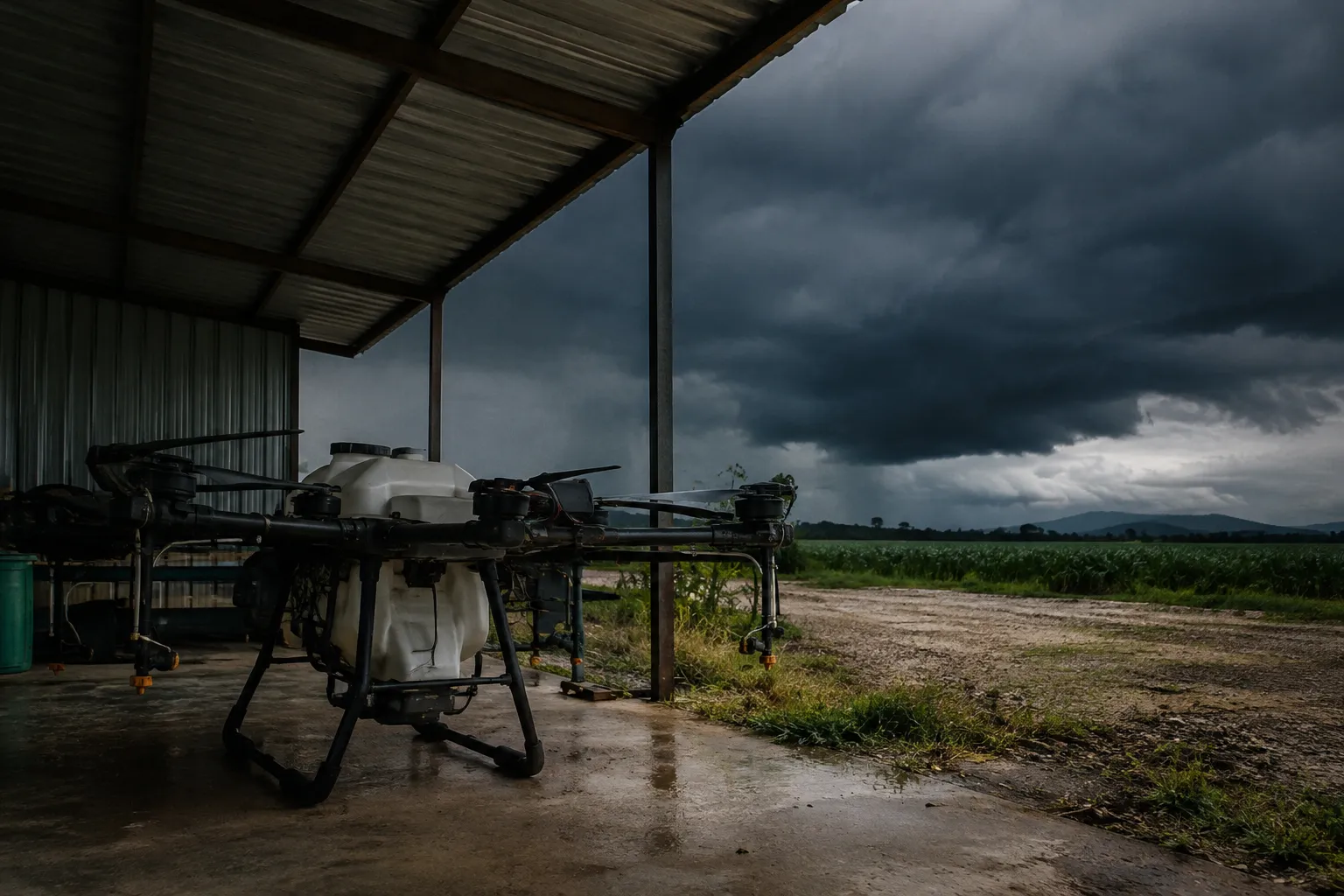
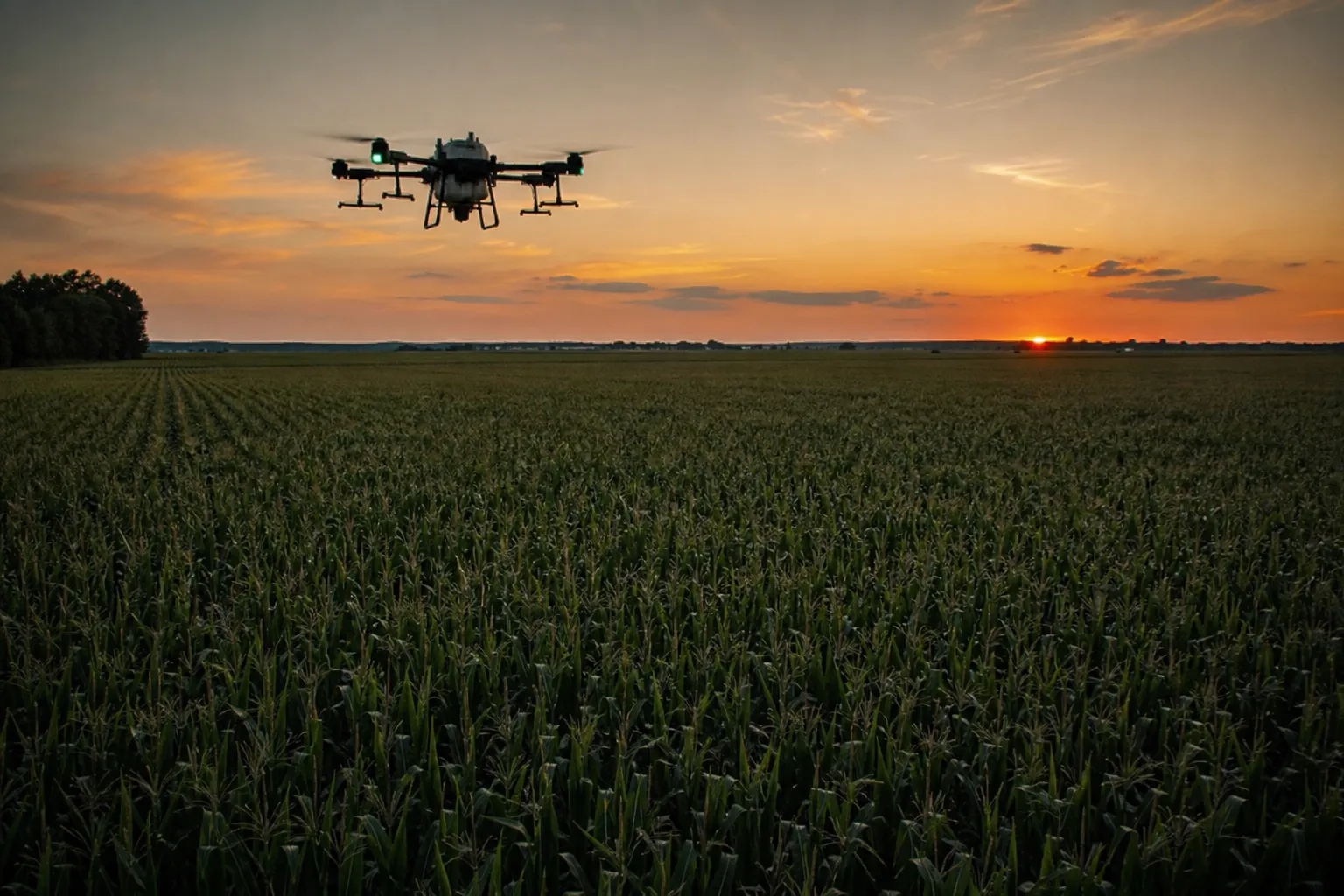
We work with underwriters who specialize in ag drone operations, which means coverage can be structured around what's actually happening in the field, not some generic commercial drone use case. That specialization matters when you're flying a 25-kilogram sprayer over a 500-acre corn operation at a mile out from the launch point.
Beyond visual line of sight drone insurance also needs to align with your FAA waiver. The waiver itself outlines specific operational conditions, things like detect-and-avoid systems, communication protocols, or crew requirements. A good policy will account for those conditions rather than work against them. If your insurance doesn't reflect what your waiver authorizes, you may have coverage on paper that disappears the moment a loss occurs.
Cost is a common question with BVLOS waiver agriculture operations. Extended range drone coverage does carry higher premiums than standard VLOS coverage, but the gap is often smaller than operators expect when the policy is structured correctly. Blanket annual policies that cover ag BVLOS work tend to be more cost-effective for high-volume operators, while on-demand options suit seasonal or occasional flights better. The right structure depends on how often you're flying and over what kind of terrain.
One thing worth knowing: commercial drone insurance for BVLOS ag work isn't a fringe product anymore. As more farms adopt autonomous and extended-range systems, the insurance market has responded. The policies exist. The question is whether yours is actually built for what you're doing.
If you're not sure, that uncertainty is the answer. A policy that's ambiguous about BVLOS coverage is one that may not pay out when you need it to. Our team maintains nearly perfect 5-star customer support ratings specifically because we work through these questions with operators before there's a problem, not after.
BVLOS agriculture drone insurance should also cover the downstream exposure that ag operations carry. Crop damage liability, third-party property claims, and equipment loss mid-flight are all on the table when you're working at distance. Make sure your policy addresses each of those categories explicitly, not through vague language that leaves room for a denial.
The right coverage for ag drone insurance isn't the cheapest option or the fastest quote. It's the one that actually matches your FAA waiver, your aircraft, your operation type, and your exposure. That's the standard worth holding to.
Frequently Asked Questions
Does standard drone insurance cover BVLOS agricultural flights?
Most standard drone insurance policies are written for visual line of sight operations and do not automatically extend to BVLOS flights. Operators flying beyond visual line of sight need a policy that explicitly covers extended-range operations. Without that specific language, claims arising from BVLOS flights may be denied.
How much does BVLOS agriculture drone insurance cost?
BVLOS agriculture drone insurance costs more than standard VLOS coverage due to the elevated risk profile, but the premium difference varies based on aircraft type, operation frequency, and coverage structure. Annual blanket policies often offer better value for operators flying BVLOS regularly. Getting a quote with operational details specific to your FAA waiver is the most accurate way to understand your cost.
Does my FAA BVLOS waiver affect what insurance I need?
Yes. Your FAA BVLOS waiver outlines the specific conditions under which you're authorized to fly, and your insurance policy needs to align with those conditions. If your coverage doesn't reflect the operational parameters in your waiver, you could face a coverage gap in the event of a claim. Always review your policy against your waiver before flying.
What does BVLOS ag drone insurance typically cover?
A properly structured BVLOS agriculture drone insurance policy typically covers hull loss of the aircraft, third-party liability for property damage or bodily injury, payload coverage, and in some cases crop damage liability. Coverage specifics vary by carrier and policy structure. Operators should confirm that extended-range and autonomous flight scenarios are explicitly included.
Get a quote at skywatch.ai.