Choosing the right agriculture drone insurance coverage limits is one of the most consequential decisions you'll make for your operation. Get it wrong on the low side, and a single incident can wipe out a season's profit. Go too high without understanding what you actually need, and you're paying for coverage that doesn't match your real exposure. Neither outcome is good. This guide breaks down how to think about limits practically, so you can make a decision grounded in your actual risk.
Matching Your Coverage Limits to Your Operation's Real Risk
Every ag drone operation carries a different risk profile. A solo operator running a single DJI Agras over their own 200-acre corn field is in a completely different position than a commercial applicator flying multiple aircraft over third-party land for paying clients. Coverage limits need to reflect that difference. That's not just common sense, it's how underwriters price and structure policies.
Start with liability. Drone liability coverage for farmers typically begins around $1 million per occurrence, and for many smaller owner-operators, that's a reasonable floor. But if you're flying over high-value crops, near livestock, or adjacent to structures you don't own, you need to think harder. A sprayer malfunction that drifts chemicals onto a neighbor's organic field could generate a claim far exceeding a $1 million limit. Contamination and misdirected application are real exposures, not hypothetical ones. We work with underwriters who specialize in ag drone operations, and this is one of the scenarios they flag most often when reviewing coverage requests.
The answer for most commercial applicators is at least $2 million per occurrence, with some operations justifying $5 million or more depending on contract requirements and the value of surrounding property. Many agricultural landowners and co-ops now require certificate holders to carry minimum limits before allowing any spraying or scouting work on their property. Check your client contracts before you set your limits, not after.
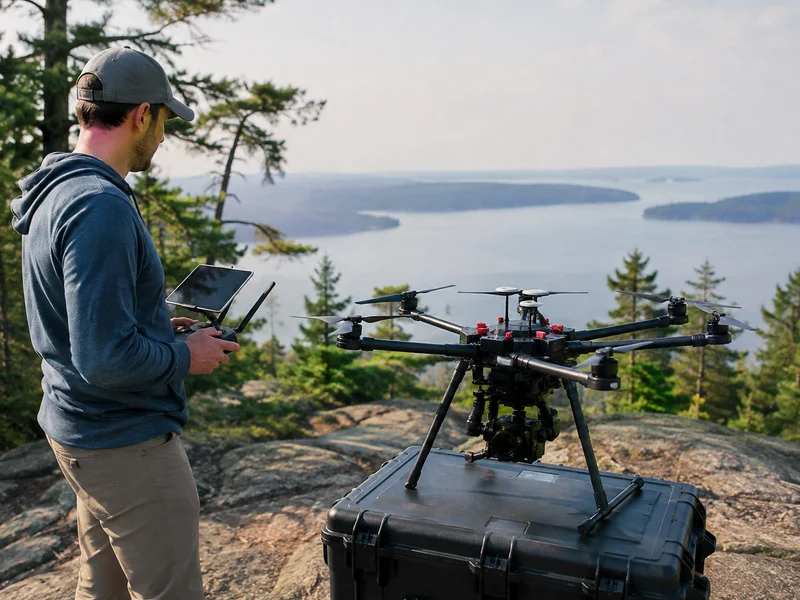
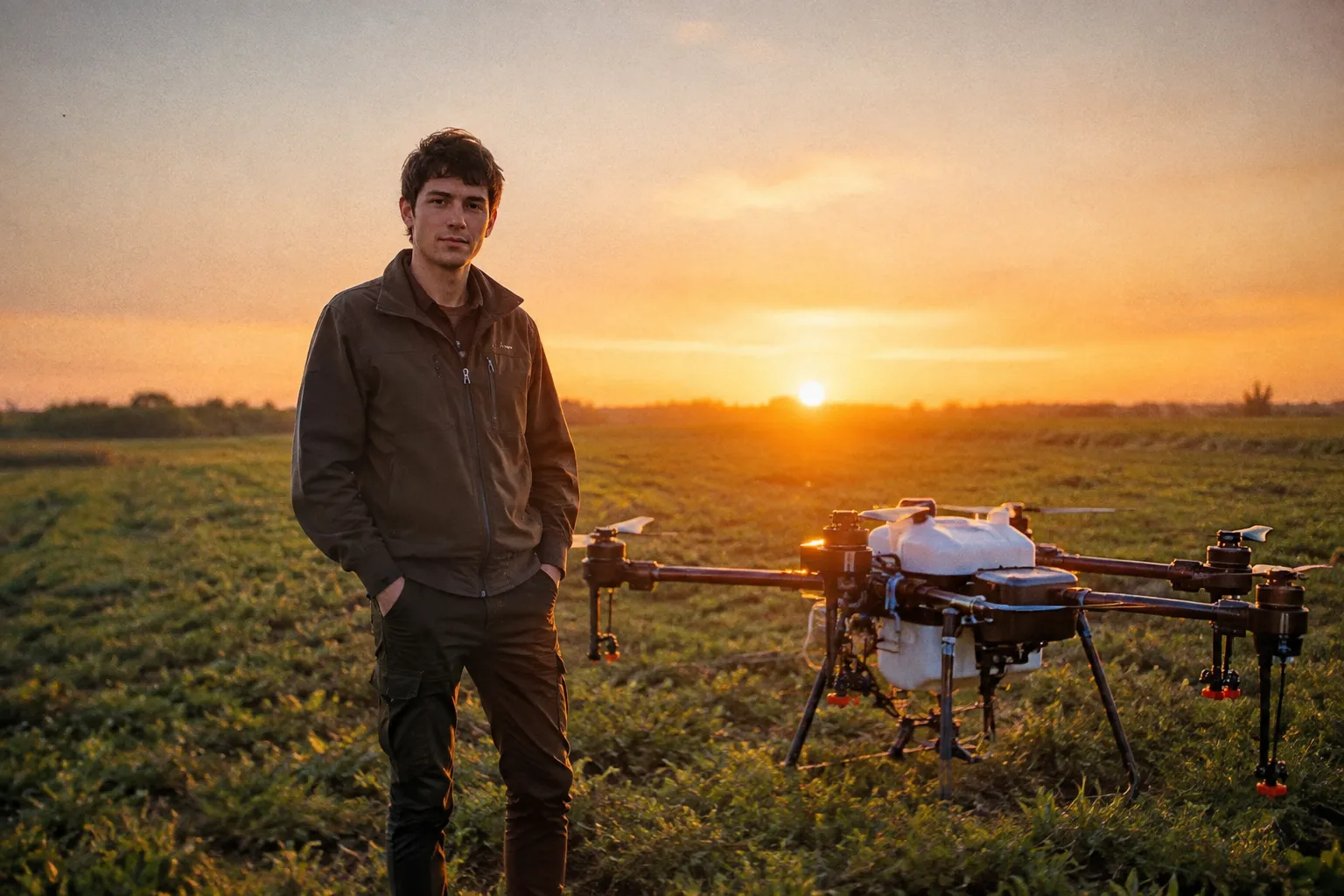
Hull coverage is the other half of the equation. Ag drone hull insurance covers physical damage to the aircraft itself, including crashes, equipment failure, and sometimes weather-related damage depending on the policy language. The right hull limit is straightforward in theory: it should match the replacement cost of your aircraft and any specialized attachments. A commercial sprayer drone with tank systems and precision nozzles can run $15,000 to $30,000 or more. Insuring it for $8,000 because that felt like a round number leaves you exposed when replacement parts alone can cost several thousand dollars.
One thing operators frequently overlook is payload. If you're flying with a separately purchased application system or custom sensor package, verify whether that equipment is covered under the hull section or whether it needs to be scheduled separately. Policy language varies, and this gap shows up in claims more than it should.
Commercial drone policy limits also need to account for how many aircraft you're operating. A fleet policy covering three or four drones under a single commercial drone insurance structure often makes more sense than managing individual policies, and it typically allows for higher aggregate limits without proportionally higher premiums. We've issued more than 300,000 commercial drone insurance policies, and fleet structures for ag operators are among the most common requests we see, especially as operations scale up from one drone to three or four in a single season.
Pay attention to the difference between per-occurrence limits and aggregate limits. A $2 million per-occurrence limit sounds strong, but if your aggregate cap for the policy period is the same $2 million, one significant claim can leave you with no meaningful coverage for the rest of the year. For operators flying dozens of jobs per month, a higher aggregate or a policy with separate seasonal aggregate structures is worth the additional cost.
Finally, consider your state and any FAA waivers you hold. Some states have specific requirements for commercial aerial application, and operating under a Part 137 certificate carries its own liability considerations. If your operation falls under that framework, your agriculture drone insurance limits should be reviewed with that regulatory context in mind.
Getting the limits right isn't about buying the most coverage possible. It's about understanding what a realistic worst-case claim looks like for your specific operation and making sure your ag drone insurance is built around that number, not a generic default. Our commercial drone insurance platform lets you customize limits to fit your operation, with nearly perfect 5-star customer support available when you have questions about what makes sense for your situation.
Frequently Asked Questions
What liability limit should I carry for agricultural drone spraying operations?
Most commercial ag drone applicators should carry a minimum of $2 million per occurrence in liability coverage. Operations working near high-value crops, organic farms, or third-party structures with contamination risk often need $5 million or more. Always check client contract requirements before setting your limit, as many landowners and co-ops specify minimums.
Does ag drone hull insurance cover my spray system and attachments?
Not always automatically. Hull coverage typically applies to the airframe itself, but separately purchased application systems, tanks, and sensor packages may need to be scheduled as additional equipment. Review your policy language carefully and ask your insurer to confirm coverage for any specialized attachments before your first flight.
How do agriculture drone insurance coverage limits affect my premium cost?
Higher limits increase premiums, but the relationship is not strictly linear. Moving from $1 million to $2 million in liability coverage typically costs less than doubling the premium. Fleet policies and annual coverage structures generally offer better per-aircraft pricing than per-flight options for operators logging high hours across a season.
Are there specific coverage requirements for drones operating under a Part 137 certificate?
Part 137 aerial application certificates carry specific liability considerations that standard recreational or Part 107 policies may not address. If you hold a Part 137 certificate, your agriculture drone insurance coverage limits and policy language should be reviewed by an underwriter familiar with aerial application regulations to confirm you're adequately covered for that operational framework.
Get a quote at skywatch.ai.