

A lot of renter pilots assume their non-owned aircraft insurance works like a standalone policy that steps in the moment something goes wrong. That assumption makes sense on the surface. You paid for coverage. You are the pilot in command. If there is an incident, your policy covers it.
The reality is a bit different, and understanding it could matter a great deal if you ever have to file a claim.
Non-owned insurance is excess coverage
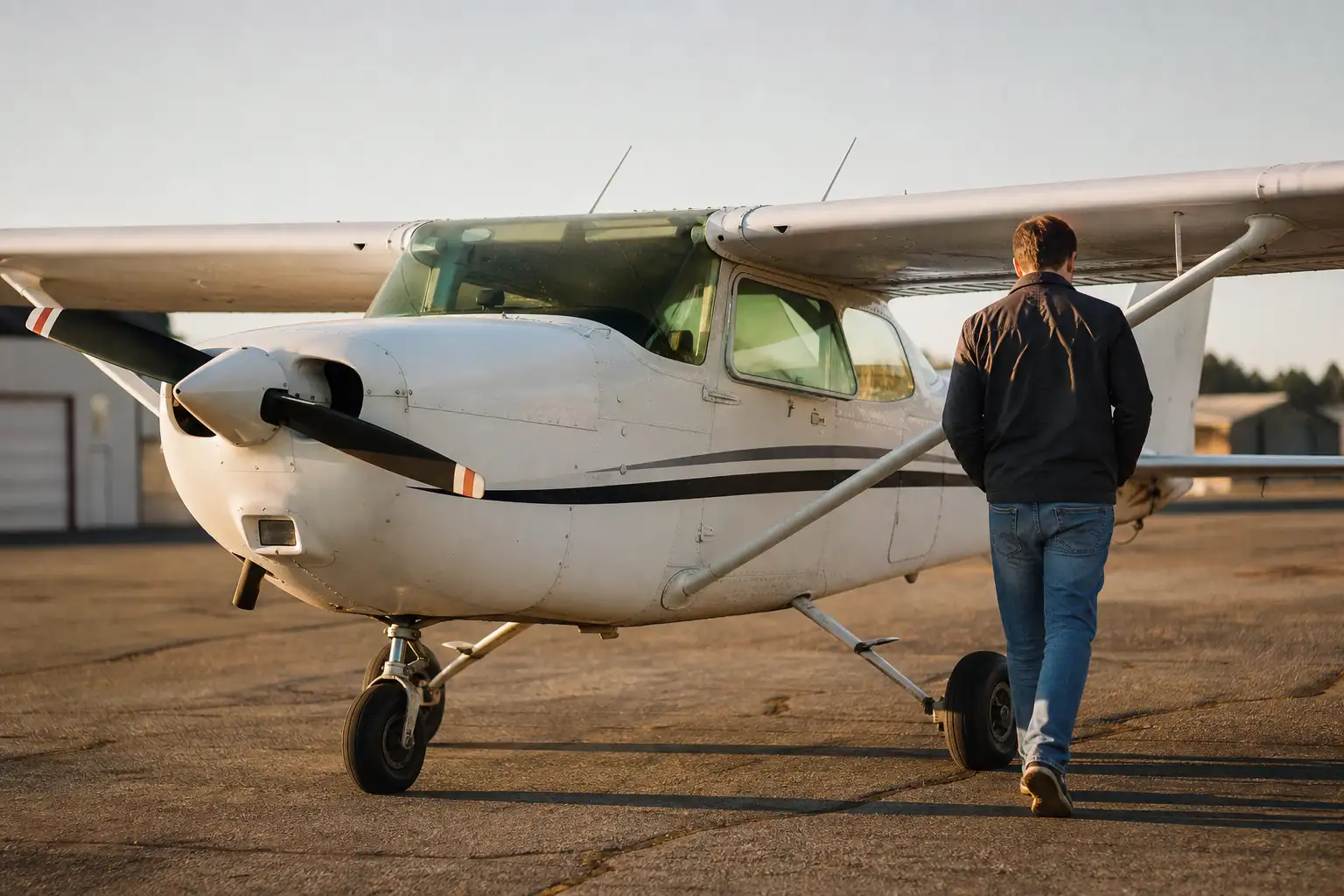
When you rent an aircraft from a flight school or flying club, that operator carries their own insurance policy on the aircraft. Their policy is what covers hull damage, liability claims, and most losses tied to the plane itself. Your non-owned policy does not replace that coverage. It sits on top of it.
In the insurance world, this is called excess coverage. It means your policy pays after the primary policy (the school or club's) has paid out what it owes. If the school's insurance pays in full, your policy may not pay anything at all. If there is a gap, an unpaid portion, or a deductible left over, that is where your policy steps in.
This is not a flaw or a loophole. It is how the product is designed. But a lot of pilots do not realize it until they are in the middle of a claim.
What this actually looks like
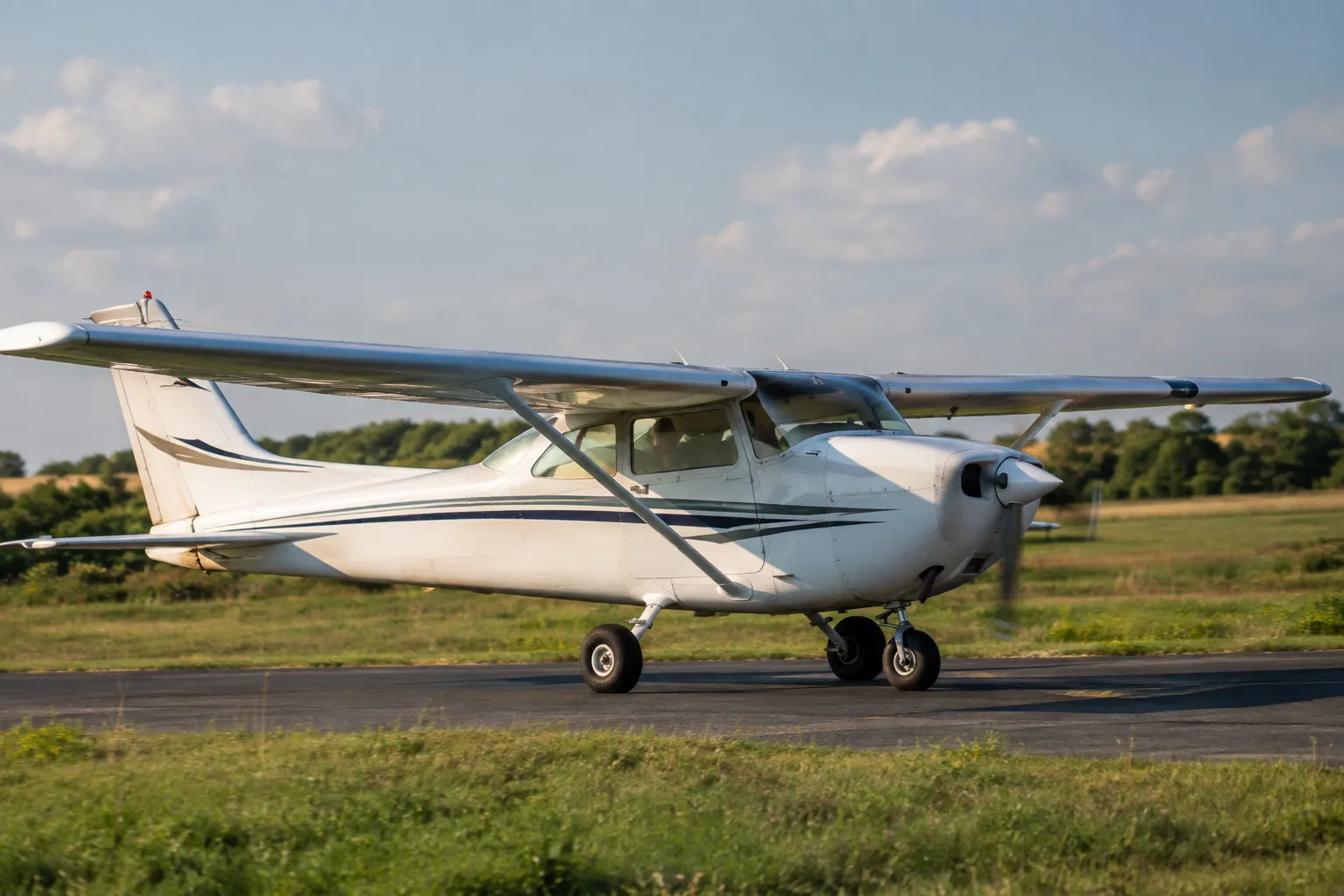
Say you are renting a Cessna 172 and you have a ground incident that dents a wingtip. The school's hull insurance covers the repair, minus a $5,000 deductible. That deductible becomes your liability because you were the pilot. Your non-owned policy, specifically the physical damage portion, covers that deductible. That is the job it is doing.
On the liability side, the same logic applies. If a third party files a claim after an accident, the school's liability coverage responds first. If the damages exceed their limits, or if you are found personally liable for something outside the scope of their policy, your coverage picks up from there.
The key phrase is "personally liable." The school's policy covers the school. It protects their aircraft and their business. It does not necessarily protect you as an individual in every scenario. That is the gap that aircraft renters insurance is specifically built to fill.
Why being named on the school's policy is not always enough
Some flight schools add renters as named insureds or listed pilots on their policy. That sounds reassuring, but it comes with limits. Coverage for a listed pilot on an owner's policy is typically narrower than what a dedicated non-owned policy provides. The policy still exists to protect the aircraft owner, not you. If there is a dispute about who was at fault, or if subrogation comes into play, you want your own representation and your own coverage responding on your behalf.
Subrogation is worth understanding here. Even if the school's insurer pays out on a claim, they can attempt to recover that money from the party they believe caused the loss. If that party is you, you could find yourself on the receiving end of that recovery action, even after the original claim was settled. A solid student pilot insurance or renter policy typically includes protection against this scenario.
What your non-owned policy actually covers
Coverage varies by policy, but most non-owned aircraft insurance policies include:
- Liability for bodily injury to third parties
- Liability for property damage to third parties
- Physical damage coverage for the rented aircraft, up to a specified limit
- Passenger liability sub-limits
Some policies also include medical payments coverage, legal defense costs, and loss-of-use coverage for the aircraft while it is being repaired after an incident you caused.
The physical damage limit is particularly worth paying attention to. Flight schools sometimes require renters to carry a minimum amount, often matching the aircraft's deductible. If you are renting a newer or higher-value plane, that number can be significant. A newer Cessna 172 can have a hull value well over $400,000. The school's deductible on a loss like that could be $10,000 or more.
Duration options matter more than people think
One thing renter pilots appreciate about flexible non-owned insurance is the ability to buy coverage for exactly as long as you need it. If you fly five times a year, an annual policy might make financial sense, but a daily or monthly option lets you match your coverage to your actual flying schedule. SkyWatch offers daily, weekly, monthly, and annual non-owned aircraft coverage, so you are not paying for 365 days of coverage when you fly on 12 of them.
For CFI insurance, the same excess structure applies. Instructors giving dual instruction in an aircraft they do not own need their own coverage that protects them personally, separate from the school's policy and separate from the student's coverage.
The bottom line
Non-owned aircraft insurance is not redundant. It is not optional protection on top of coverage you already have. For renter pilots, it is the layer that specifically protects you as an individual, filling the gaps that the aircraft owner's policy leaves open. Knowing how excess coverage works helps you choose the right limits and the right duration before you ever get to the runway.
Frequently asked questions
Is non-owned aircraft insurance the same as the flight school's policy?
No. The flight school's policy covers the aircraft and the school's liability as an operator. Non-owned insurance is a separate policy that covers you personally as the pilot, including gaps the school's coverage does not address.
What does "excess coverage" mean in this context?
It means your policy pays after the primary policy has been exhausted. If the school's insurance covers the full loss, your policy may not pay anything. If there is a remaining amount, a deductible, or a liability claim that extends beyond their limits, your policy covers that portion.
Do I need non-owned insurance if I am already a listed pilot on the school's policy?
It is still worth having your own. Being a listed pilot on someone else's policy means their insurer is looking out for their interests. A dedicated non-owned policy provides coverage specifically on your behalf, including protection against subrogation claims.
How much physical damage coverage should I carry?
A common starting point is enough to cover the aircraft's deductible on the school's policy. Ask the school what their deductible is before you rent. Some schools require a specific minimum amount in their rental agreements.
Can I get short-term non-owned aircraft insurance instead of an annual policy?
Yes. SkyWatch offers daily, weekly, monthly, and annual non-owned aircraft insurance. This lets you purchase coverage for a single flight, a training block, or a cross-country trip without committing to a full-year policy.