Your ag drone operation is not static. Acreage changes, equipment gets upgraded, and the scope of what you fly shifts from season to season. Yet most operators set up a policy and forget it until renewal. That approach leaves serious coverage gaps, and if something goes wrong mid-season, you'll feel it. Knowing when to update your agriculture drone insurance policy is not a nice-to-have habit. It's a basic part of running a responsible operation.
Five Operation Changes That Require an Immediate Policy Review
There's a version of this conversation we have constantly at SkyWatch. An operator adds a new airframe, expands into spray applications, or takes on a contract for a neighboring farm, and they assume their existing policy stretches to cover it. Sometimes it does. Often it doesn't. We've issued more than 300,000 commercial drone insurance policies, and the claims that sting most are the ones where coverage technically existed but didn't match what the operator was actually doing when the incident happened.
So let's be specific about what actually triggers the need to revisit your policy.
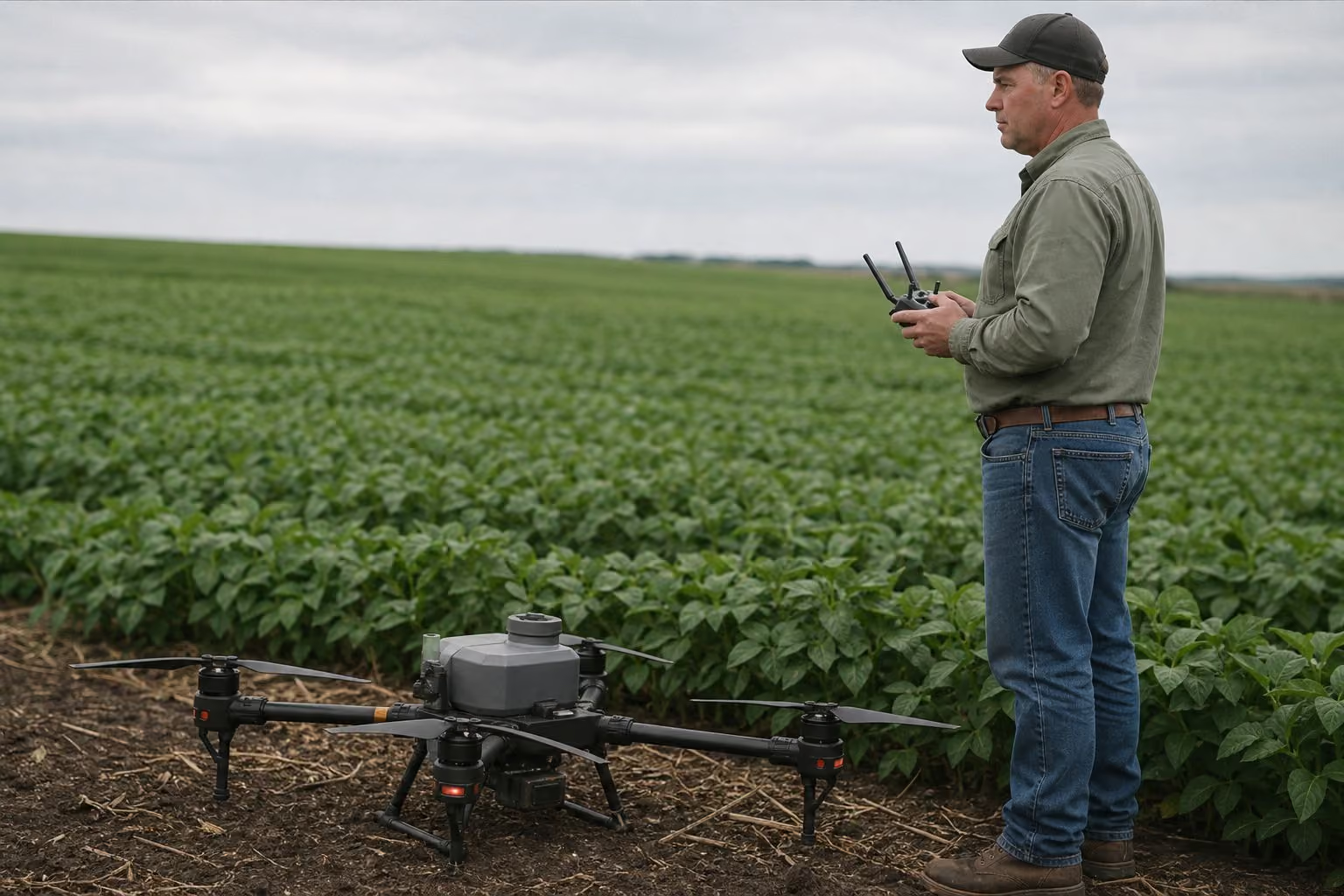
The first one is adding a drone to your fleet. This sounds obvious, but plenty of operators treat a second or third airframe as a minor addition. If your policy lists specific aircraft by serial number or covers a stated hull value, a new drone may not be covered at all until you update the policy. This is exactly what a drone insurance mid-term endorsement is designed for. You don't have to wait for renewal. You contact your provider, add the aircraft, and the coverage adjusts. Skipping that step is the kind of thing that costs operators tens of thousands of dollars.
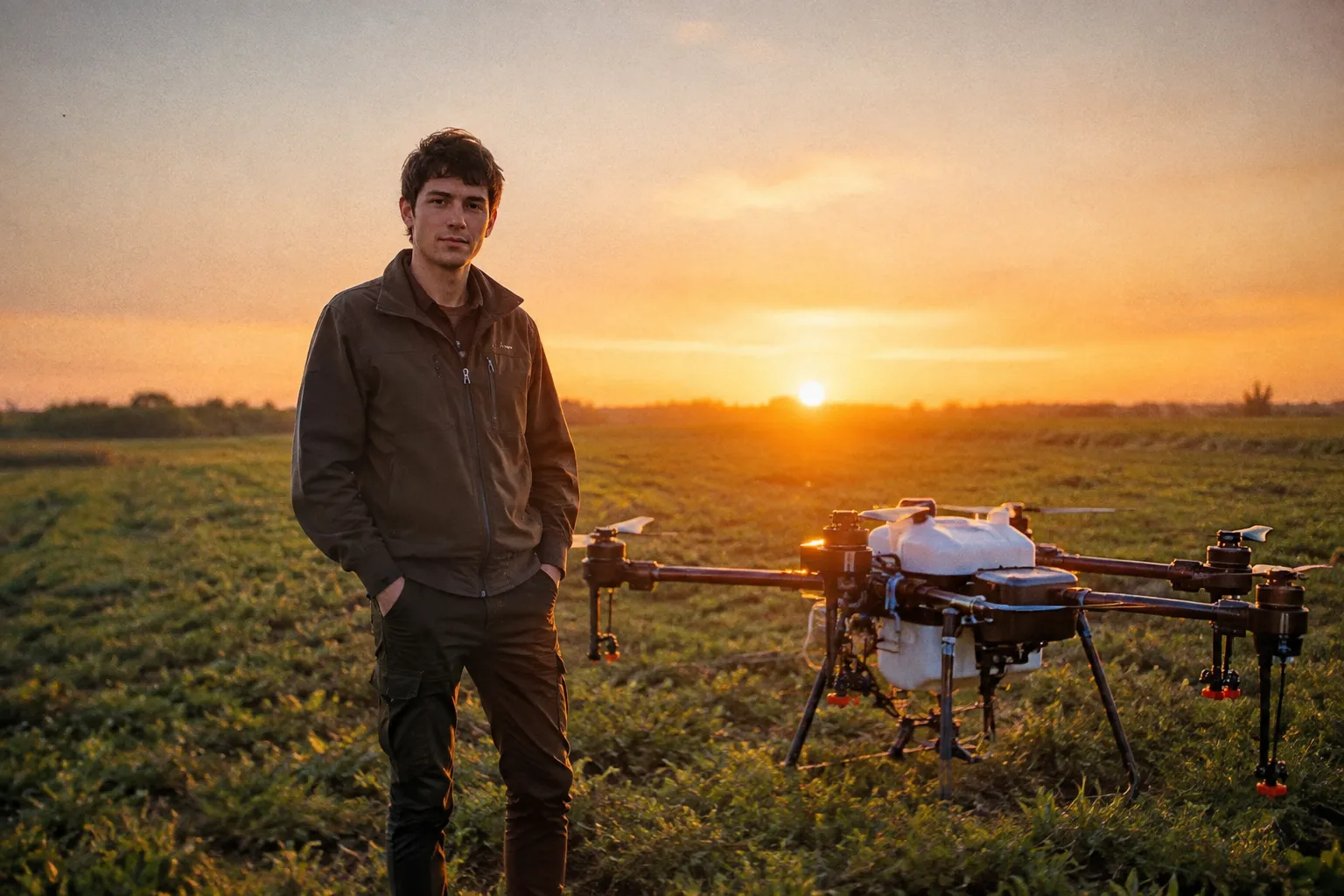
The second trigger is changing the type of work you do. Flying scouting missions over your own fields is a different risk profile than applying inputs via drone for a neighboring operation. If you've started offering spray services or precision application work, your current policy may not reflect that exposure. We work with underwriters who specialize in ag drone operations, and they price coverage based on use case. A mismatch between what you're doing and what's on your policy is a problem worth fixing before the season starts, not after a claim is denied.
Third: if your operating area changes significantly, that matters too. Adding drones to farm insurance for a 500-acre operation looks different than coverage for a 5,000-acre operation. Same aircraft, same pilot, but the liability exposure and hull risk scale with how much ground you cover and under what conditions. If you've taken on more acreage or you're flying in new terrain types, that's worth a conversation with your insurer.
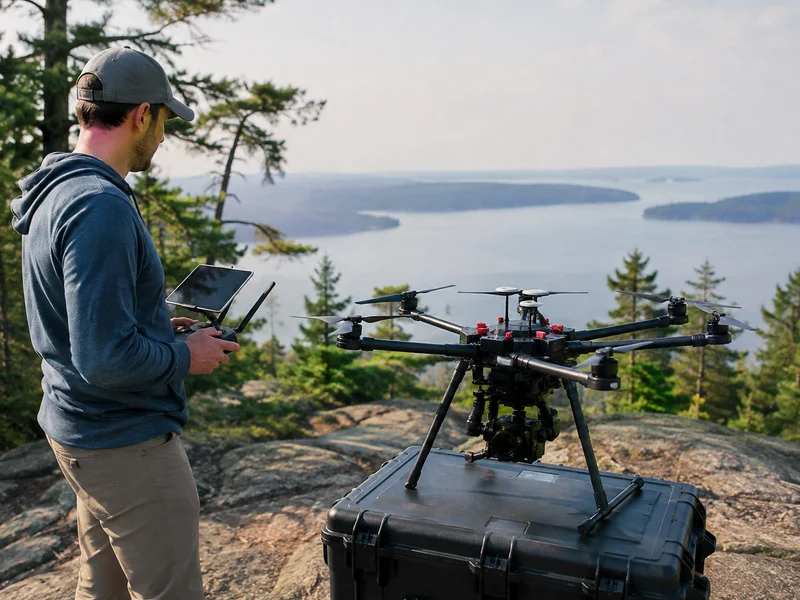
Fourth, think about payload changes. Agricultural drone insurance that was written for a scouting platform may not automatically extend to a drone now carrying a multispectral sensor worth $15,000 or a spray tank. Payloads that increase hull value or introduce new liability risks need to be declared. This is where knowing when to update your agriculture drone insurance policy pays off directly. A quick policy review now is far cheaper than finding out post-crash that your payload wasn't covered.
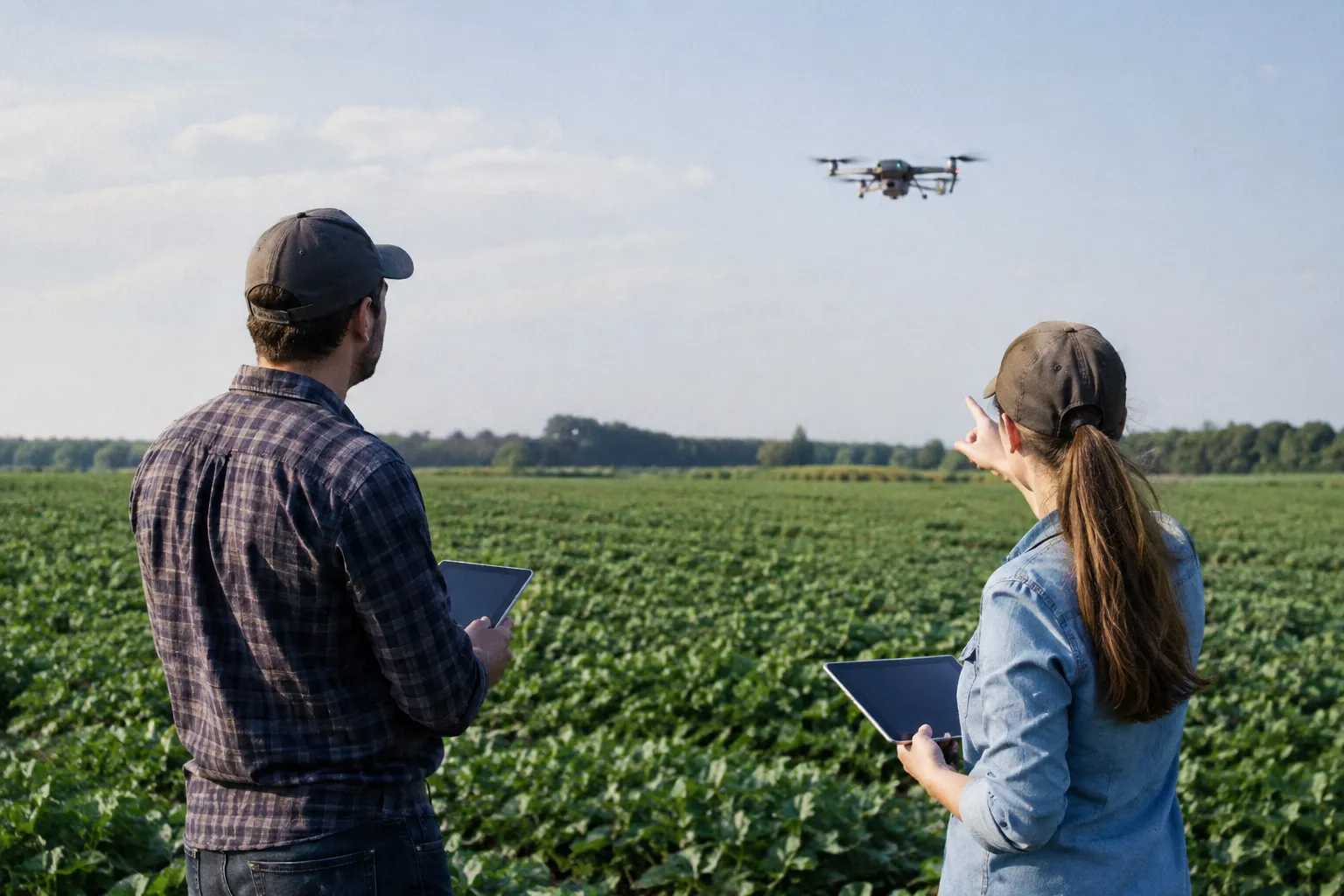
Fifth is a change in who's flying. If you've brought on a new operator or a seasonal employee is now piloting your aircraft, your policy needs to reflect that. Some policies are tied to specific named pilots. Adding a new operator without updating the policy can void coverage on flights they conduct. Review your pilot schedule every season, not just your equipment list.
Outside of these five, there are a few other moments that should prompt a policy review. If local regulations change in your operating area, if you start flying at night or beyond visual line of sight under a waiver, or if your drone value has changed significantly since you first purchased coverage, those are all reasons to revisit your ag drone fleet policy update process. Agriculture drone insurance isn't designed to be a fire-and-forget purchase. It's a living document that should match your actual operation.
What makes this easier than it used to be is access. With a platform like SkyWatch, you don't have to go through a lengthy broker process every time something changes. Our nearly perfect 5-star customer support rating reflects the fact that operators can get quick answers and make real changes fast. Knowing when to update your agriculture drone insurance policy matters a lot less if updating it is a slow, confusing process. It doesn't have to be.
The short version: if anything about your operation has changed since you last reviewed your policy, that's your signal. Don't wait for renewal. Check your coverage against what you're actually flying, where you're flying it, and who's at the controls. That's how you stay protected when it counts. For more on what's covered and what isn't, take a look at our commercial drone insurance options and see how coverage is structured for operators at different scales.
Frequently Asked Questions
How much does it cost to update an ag drone insurance policy mid-term?
The cost of a mid-term endorsement depends on what you're changing. Adding a new airframe typically results in a prorated premium adjustment based on hull value and remaining policy term. Changing your use case to include spray applications usually triggers a more significant premium update, since that category carries higher liability exposure. Most changes can be processed quickly without fees beyond the premium difference.
Does my existing farm insurance cover my ag drone automatically?
In most cases, no. Standard farm insurance policies do not automatically extend to unmanned aircraft. Drones typically require a separate aviation liability policy or a specific endorsement that addresses hull coverage and third-party liability for aerial operations. Assuming your farm policy covers your drone without verifying it in writing is a significant coverage risk.
What is a drone insurance mid-term endorsement?
A mid-term endorsement is a change made to your insurance policy before its renewal date. For ag drone operators, this is the mechanism used to add new aircraft, update hull values, change listed pilots, or adjust coverage for new types of operations. It allows your policy to stay current with your actual operation without waiting for annual renewal.
What coverage gaps are most common in ag drone fleet policies?
The most common gaps involve unlisted aircraft, payload exclusions, and pilot restrictions. If a drone isn't specifically listed on the policy, it may not be covered. Expensive sensors or spray equipment carried as payload often require separate declaration. And if a policy names specific pilots, any flight conducted by someone not listed may not be covered at all.
Get a quote at skywatch.ai.