A client asks for your certificate of insurance. You pull up your policy and realize you have $1 million in liability coverage. Is that enough? The answer depends on what you're flying, where you're flying, and who's asking. Most operators pick a number without really thinking through the question, and that can leave you exposed or paying for coverage you don't need.
Here's how to think through it properly.
What liability insurance actually covers
Liability insurance for commercial drone operators covers third-party bodily injury and property damage. If your drone falls and hits someone, or crashes into a car, or takes out a light fixture at an event venue, your liability policy pays for the claim (up to your limit) and covers your legal defense.
It does not cover your drone itself. It does not cover your camera or payload. Hull coverage handles those, and that's a separate conversation. When clients or venues ask to see your insurance, they're asking about liability, specifically because they want to know they won't be on the hook if something goes wrong during your operation.
The $1 million baseline
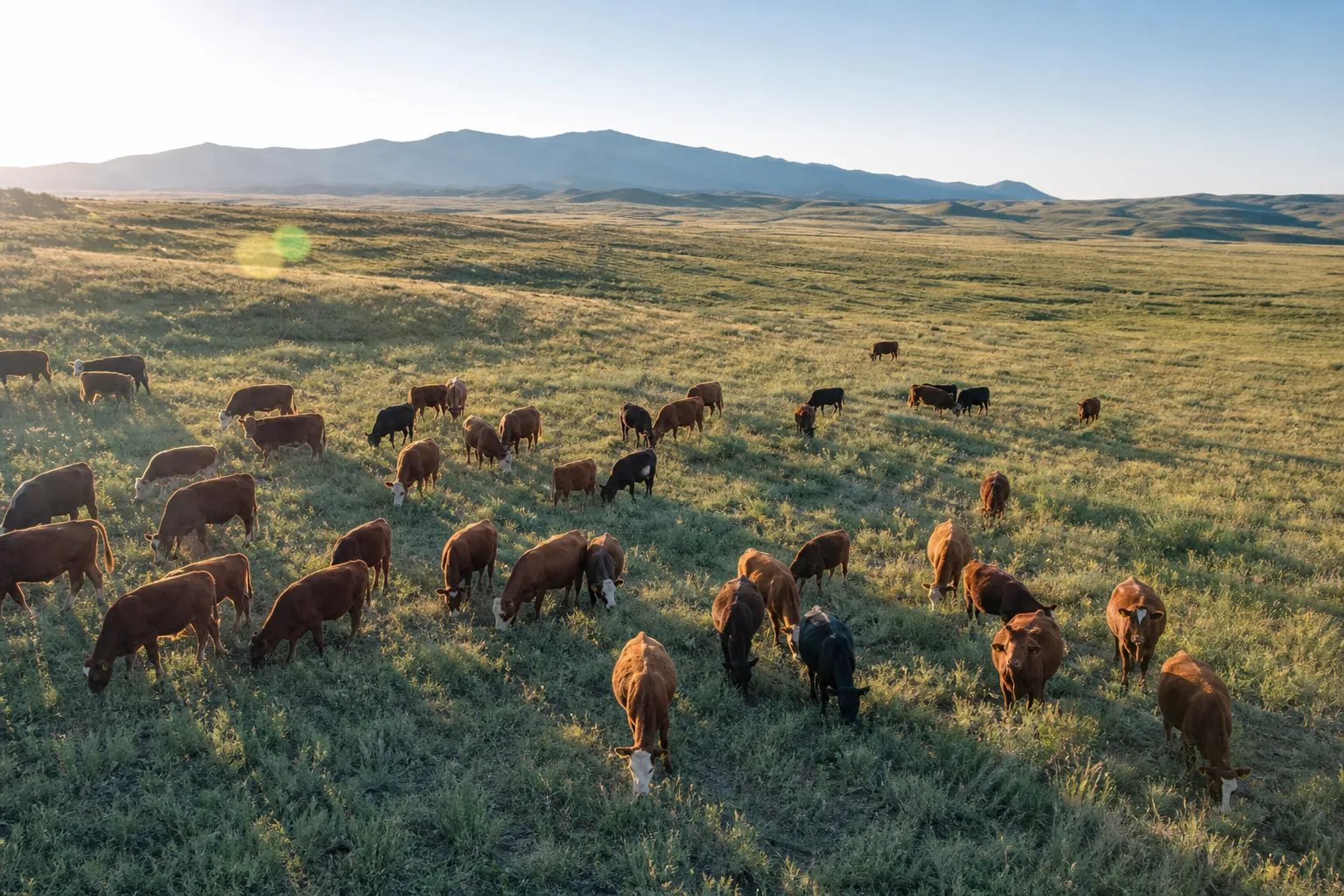
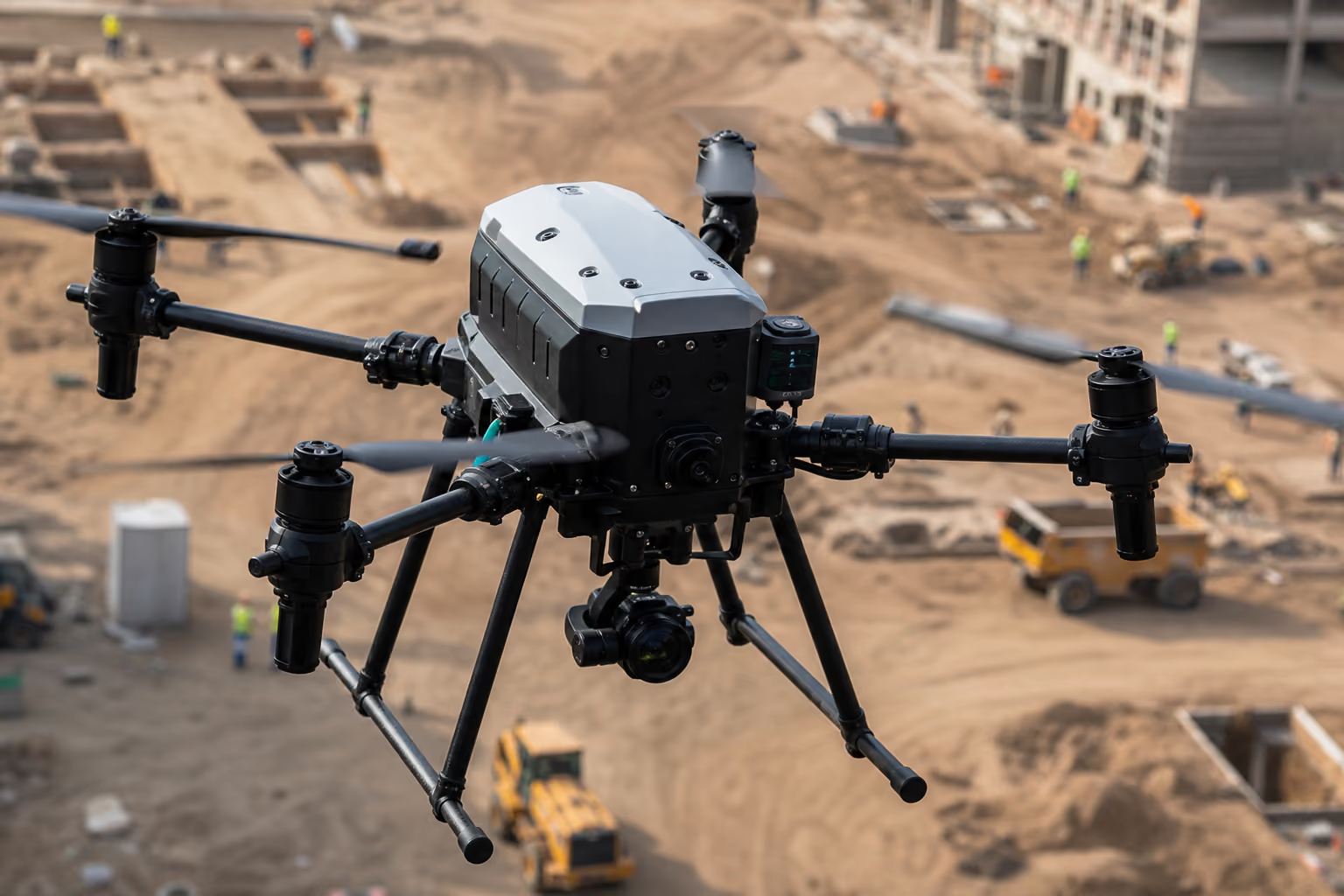
For most solo commercial drone operators doing standard work, $1 million in liability coverage is the industry baseline. Real estate photography, inspections, construction progress documentation, agricultural surveys, most of these jobs don't require more than $1M. The work happens in controlled areas, often away from large crowds, and the exposure is relatively low.
That said, $1M is increasingly the minimum floor, not the comfortable number. Construction site managers, property management companies, and government contracts often require it just to get a foot in the door. If you're doing any commercial work at all and you're carrying less than $1M, you're going to hit walls fast.
When $1 million isn't enough
Events change the math. Flying over a few hundred people at an outdoor festival or a wedding reception is a different risk profile than scanning a rooftop alone. The event question is one of the most common things we hear from operators trying to figure out what to carry: $1M, $2M, $5M? The short answer is, ask your client first.
Most event organizers and venues have a minimum they'll put in the contract. For medium to large public events, $2 million is becoming common, and some venues require it in writing before they'll let you set up. If you're flying over large crowds or near critical infrastructure, $5 million may be what the contract calls for. Don't guess. Get the requirement from whoever is hiring you before you buy the policy.
The same applies to film and commercial production work. Productions often have minimum coverage thresholds built into their standard vendor contracts, sometimes $2M, sometimes higher. Get the contract before you get the policy.
Additional insured requests
When a client asks to be listed as an additional insured on your policy, that means they want your insurance to cover them too, not just you, if a claim arises from your operation. This is standard in commercial work and your policy should support it. Most commercial drone insurance policies allow you to add additional insureds, often through a certificate of insurance (COI) request.
If you're doing work for a municipality, a large corporation, or a production company, expect this request. Have your policy details ready and know how to generate a COI quickly. Showing up to a job without the ability to produce one on demand can cost you the contract.
On-demand vs. annual: does the policy type change your coverage limit?
Whether you buy an annual policy or use on-demand hourly or daily coverage through a platform like SkyWatch, the limit you select works the same way. The difference is flexibility. On-demand policies let you choose a higher limit for specific high-exposure jobs without paying for that elevated coverage year-round.
If most of your work is routine but you occasionally take on event or production jobs, this can make sense. Buy standard coverage annually for your day-to-day work, then step up to $2M or $5M for the jobs that require it.
What about errors and omissions?
Liability covers physical damage and injury. Errors and omissions (E&O) coverage is different. It covers you if a client claims the deliverable was wrong, the footage was unusable, or the data was inaccurate. Some operators dismiss this, but if you're doing mapping, inspection, or any work where the output directly informs a business decision, E&O is worth having in the conversation with your broker.
Not all drone insurance policies include it. Know what you have before you sign a client contract that mentions professional liability.
FAQ
Is $1 million enough for commercial drone work?
For most standard commercial operations, yes. Real estate, agriculture, inspections, and construction documentation typically fall within this range. For events, large crowds, or corporate contracts, you may need more. Always check the client's requirements before buying.
How do I know what coverage limit to buy?
Ask your client. Most commercial contracts will specify a minimum liability limit. If there's no contract requirement, $1M is the standard starting point for solo commercial operators.
What does additional insured mean on a drone insurance policy?
It means the person or company named on your certificate of insurance is also covered by your policy for claims that arise from your operation. Clients, venues, and event organizers frequently request this. Your drone insurance policy should support additional insured endorsements.
Does on-demand drone insurance let me choose a higher liability limit?
Yes. Platforms like SkyWatch allow you to select different liability limits depending on the job, so you can carry $1M for routine work and step up to $2M or $5M for specific high-exposure operations without changing your annual policy.
Is hull insurance the same as liability insurance?
No. Hull insurance covers physical damage to your drone. Liability insurance covers damage or injury you cause to third parties. When clients ask for proof of insurance, they're almost always asking about liability. You need both, but they serve different purposes.