

The FAA has been quietly working on something that every commercial drone operator should pay attention to: Part 108.
The proposed rules, still in the NPRM stage, are designed to create a new regulatory framework for commercial drone operations that go beyond what Part 107 currently covers. Think BVLOS, scaled delivery networks, complex urban operations. The big carriers and enterprise platforms are already preparing. Most independent operators are not.
Here is the part that matters for you.
What Part 108 Is Actually Proposing
The FAA published the Part 108 NPRM in mid-2025. At its core, it creates a separate pathway for commercial drone insurance and operations that exceed the limits of Part 107. Where Part 107 covers the vast majority of commercial drone work today, Part 108 is being written for operators who want to fly beyond visual line of sight, at scale, in more complex airspace.
The proposed rule would require detailed flight records for every mission, current pilot certifications on file, BVLOS waivers obtained before flying, and incident reports submitted within 10 days. The FAA has proposed fines up to $75,000 per violation.
That said, the NPRM is not final. It received significant public comment, and most industry observers expect substantial changes before it becomes law. The timeline for a final rule is likely at least one to two years out.
Why This Matters for Your Insurance
Here is where most pilots make an error in judgment: they wait for rules to finalize before thinking about coverage.
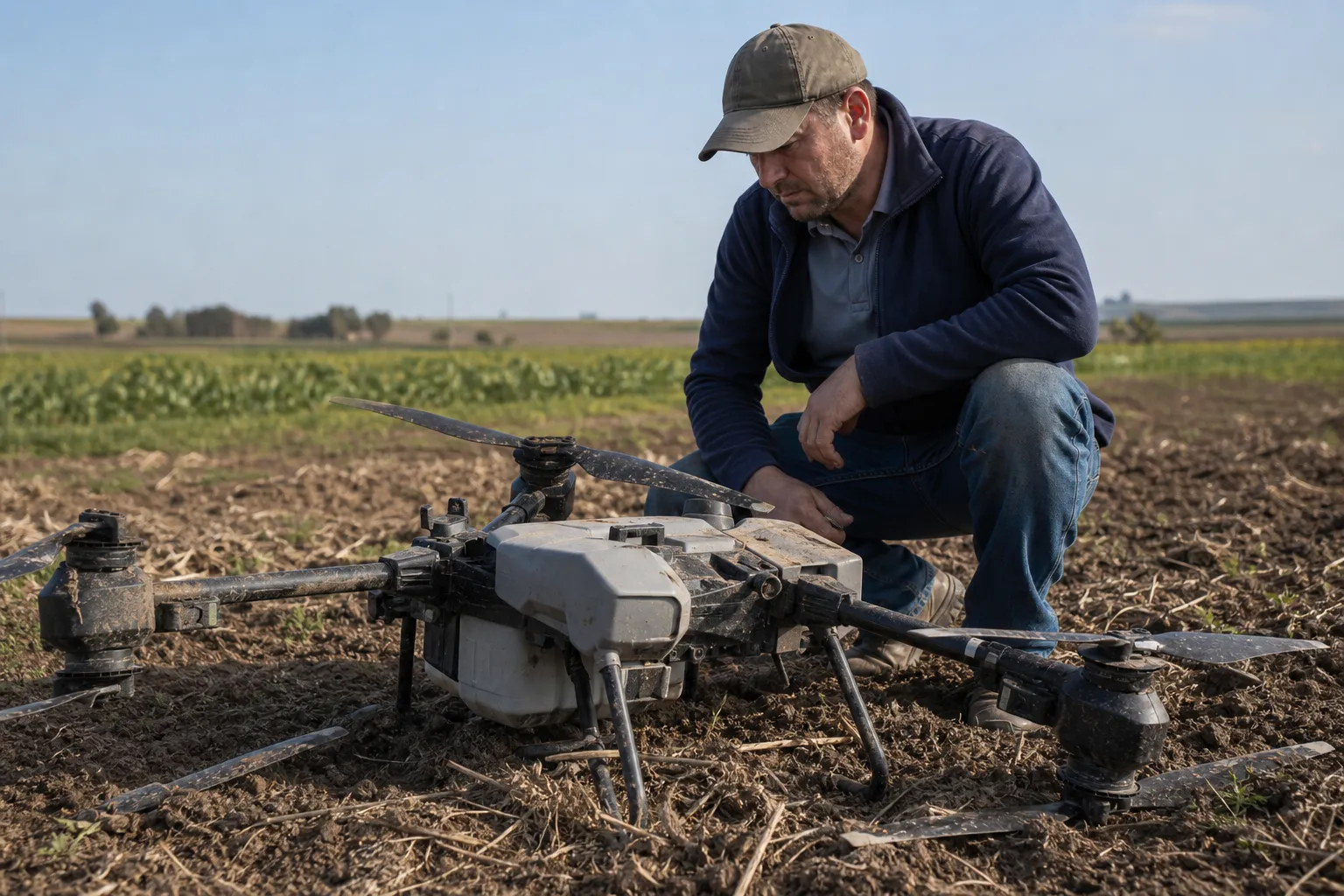
The problem is that insurance policies are written based on how you operate today, not how the FAA will eventually define your operations. If you are flying BVLOS under a current waiver, or running a multi-drone operation for agriculture, construction, or inspection work, your existing policy may already have gaps that Part 108 would expose in a claim.
A few things worth checking right now:
Your policy definition of covered operations. Some annual drone policies are written around standard Part 107 VLOS operations. If you expand into BVLOS or more complex missions, you may be flying outside your covered scope without realizing it.
Your liability limits relative to where you are flying. Operations near populated areas, critical infrastructure, or federal land carry more exposure than a rural mapping job. The coverage you bought when you started may not match the work you are doing now.
Your incident reporting window. Part 108 proposes a 10-day reporting requirement. If you carry a policy with a notice of loss clause that requires prompt reporting, a gap between when something happens and when you report it could create a claim problem.
What On-Demand Coverage Gets Right
One reason commercial drone operators increasingly prefer on-demand drone insurance is that you can match your coverage to your actual operation, flight by flight. Flying a standard real estate shoot this week and a BVLOS inspection next month? Each job can carry the right coverage level for that specific mission.
SkyWatch lets you get a certificate of insurance in minutes, adjust liability limits to match client contracts, and add coverage when your scope of work changes. No renegotiating an annual policy mid-term. No coverage that was written for last year's operation running on this year's jobs.
The Simple Takeaway
Part 108 is not in force yet, and may look very different when it is. But the underlying point it reinforces is not new: commercial drone operations are getting more complex, the FAA is paying closer attention, and operators who built their insurance around the minimum requirements of early Part 107 work are carrying real exposure as their business grows.
Review your coverage before your next complex job. Not after.