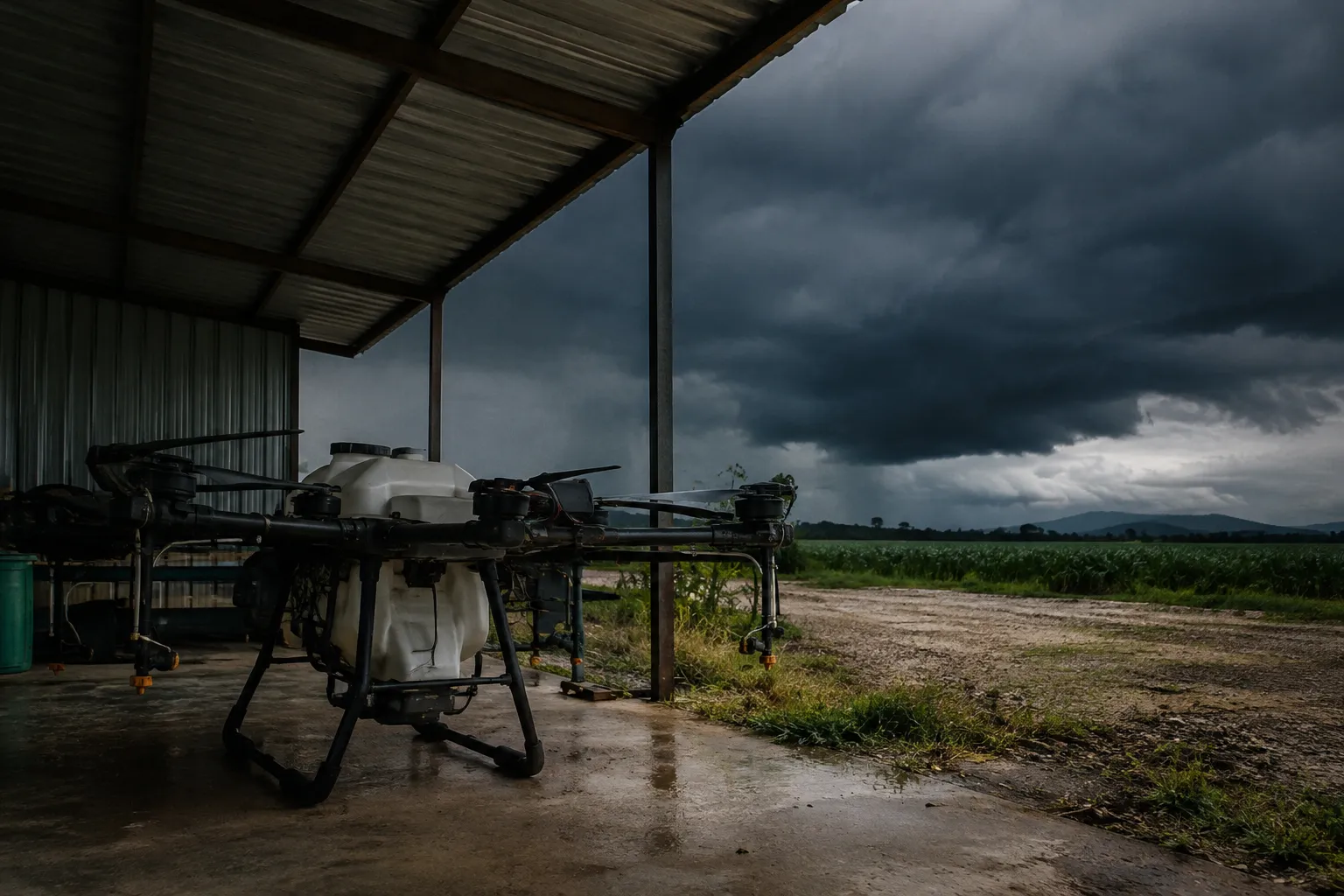
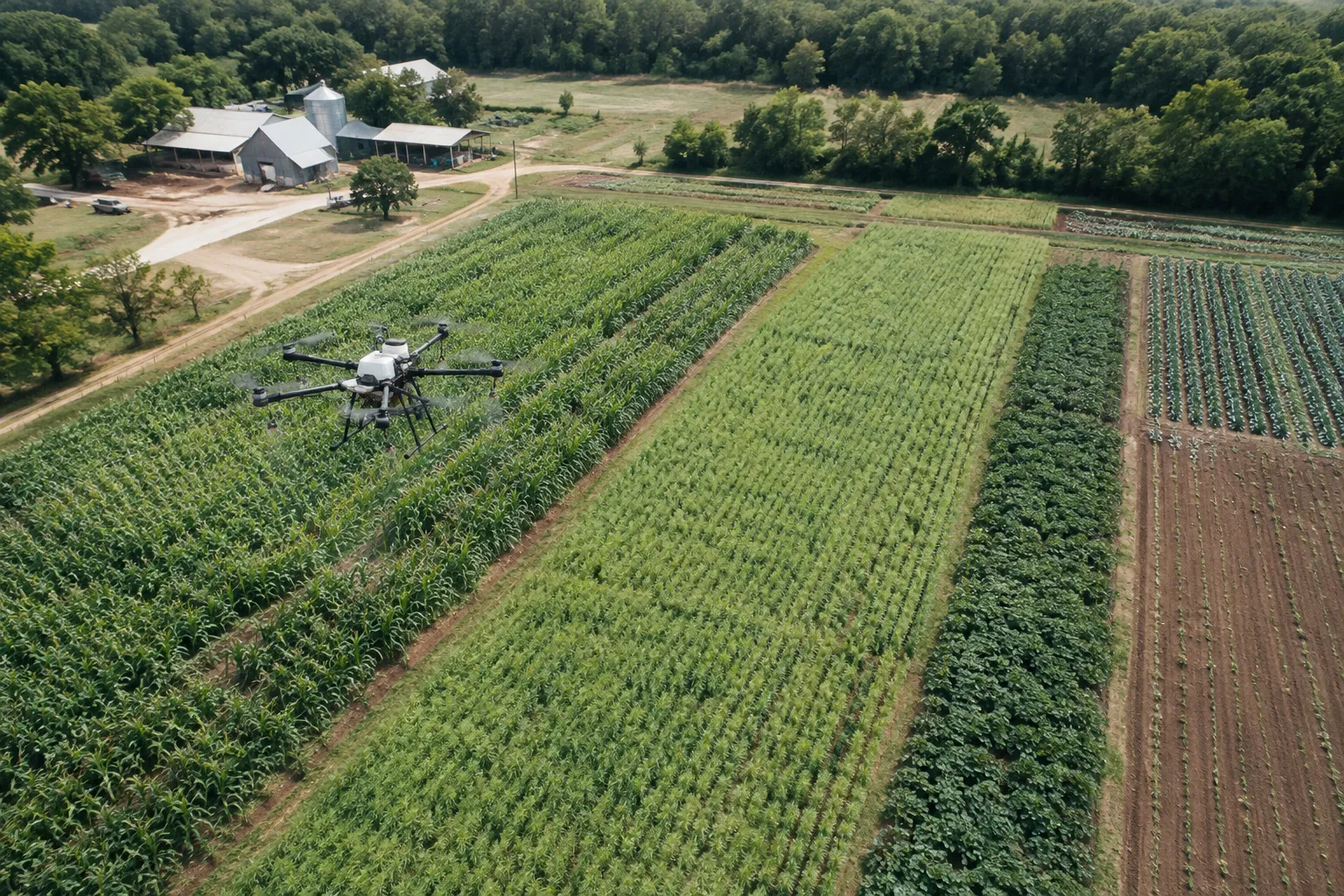
Cooperative and contracted farming operations are reshaping how ag drone work gets done. Instead of every grower owning and operating their own aircraft, farms are pooling resources, hiring drone operators under contract, or running shared equipment through a co-op structure. It makes economic sense. But it creates real insurance complexity that a standard drone policy often doesn't account for.
If you're flying for a co-op, operating under a contract, or sharing a drone across multiple farm owners, you need to understand exactly what your coverage does and does not protect. The stakes are high. A single crop damage claim in a commercial ag operation can run into six figures fast.
How Insurance Works When a Drone Serves Multiple Farm Owners
This is where most operators run into trouble. Cooperative farming drone insurance has to account for something that a solo operator policy typically ignores: who is legally responsible when the drone is working land owned or leased by someone other than the operator?
When a drone is owned by a co-op and operated by one of its members, liability can get complicated. The co-op may carry some liability exposure. The individual operator may carry some. The landowner might even have a claim if spray drifts onto a neighboring field. A well-structured cooperative farming drone insurance policy addresses all of these relationships clearly, rather than leaving gaps that only get discovered after a loss.
Contracted drone spraying insurance adds another layer. If you're a commercial applicator hired by multiple farm clients, your policy needs to reflect that you are operating as a business providing services to third parties. That's different from a farmer who flies his own field. The liability exposure is higher, the client relationships matter, and the policy language has to match the work you're actually doing.
We work with underwriters who specialize in ag drone operations, which means they understand multi-party structures, seasonal flying schedules, and the specific risks that come with chemical application work. That specialization matters when a claim gets reviewed. A generalist underwriter may not even know what a boom configuration is, let alone how to assess drift liability.
Shared farm equipment drone coverage is another category that catches operators off guard. If a drone is jointly owned by several farm families or by a co-op as an asset, the insurance policy needs to name the right parties and reflect who has operational control. Just adding a name to an existing personal policy rarely works. It's worth doing this correctly from the start rather than finding out mid-claim that the policy only covers the named operator on a farm he actually owns.
For ag drone insurance for co-ops specifically, most policies worth having will include hull coverage for the aircraft itself, liability coverage for property damage and bodily injury, payload coverage for the spray equipment, and some form of coverage for damage to the crop being treated. Not every policy includes all of these by default. Reading the policy carefully, or working with someone who will read it with you, is not optional.
We've issued more than 300,000 commercial drone insurance policies, and the agricultural segment is one of the most complex we see. Multi-operator co-op structures, seasonal contracted work, custom application services, all of these require policies built to match the actual operation rather than a generic form that was designed for a real estate photographer.
One practical point: if you're operating under a contract, your client may require you to carry a specific coverage limit and list them as an additional insured. That's standard in commercial work. Make sure your policy allows for that, and get the certificate of insurance to your client before the season starts, not after the first spray run.
Agricultural drone insurance is not a category you want to buy based on price alone. The right coverage at the right limit, with the right parties named, is what actually protects your operation when something goes wrong. Our team has nearly perfect 5-star customer support ratings because we stay involved when it matters, including during claims. That's not something every provider can say.
If your operation involves flying for others, sharing aircraft, or working through a cooperative structure, a standard drone insurance policy may not be enough. Look specifically at agriculture drone insurance options built for commercial ag work, and ask directly whether the policy covers multi-party liability and contracted services.
Frequently Asked Questions
Does cooperative farming drone insurance cover operators other than the named insured?
It depends on how the policy is written. Some cooperative farming drone insurance policies cover any authorized operator flying a co-op-owned drone, while others restrict coverage to a named individual. You need to confirm with your insurer whether additional operators are covered and under what conditions before they fly.
What does contracted drone spraying insurance typically cost for a commercial ag operator?
Premiums vary based on the type of aircraft, coverage limits, number of flight hours, and the nature of the work. For commercial ag spraying operations, annual premiums generally range from a few hundred to several thousand dollars. Operators carrying higher liability limits or flying larger, more expensive drones will pay more.
Is crop damage coverage included in standard ag drone insurance policies?
Not always. Hull and liability coverage are more common as standard inclusions. Coverage for damage to the crop being treated, often called care, custody, and control coverage, may need to be added separately. Always confirm whether crop damage caused by operator error or equipment malfunction is explicitly included in your policy.
Do co-op drone operators need their own separate insurance, or does the co-op policy cover them?
This depends on the policy structure. If the co-op holds the policy and lists member operators as covered parties, individual operators may not need separate coverage. However, if the policy only covers the co-op as an entity, individual operators could be personally exposed to liability. Each operator should confirm their coverage status in writing before flying.
Get a quote at skywatch.ai.