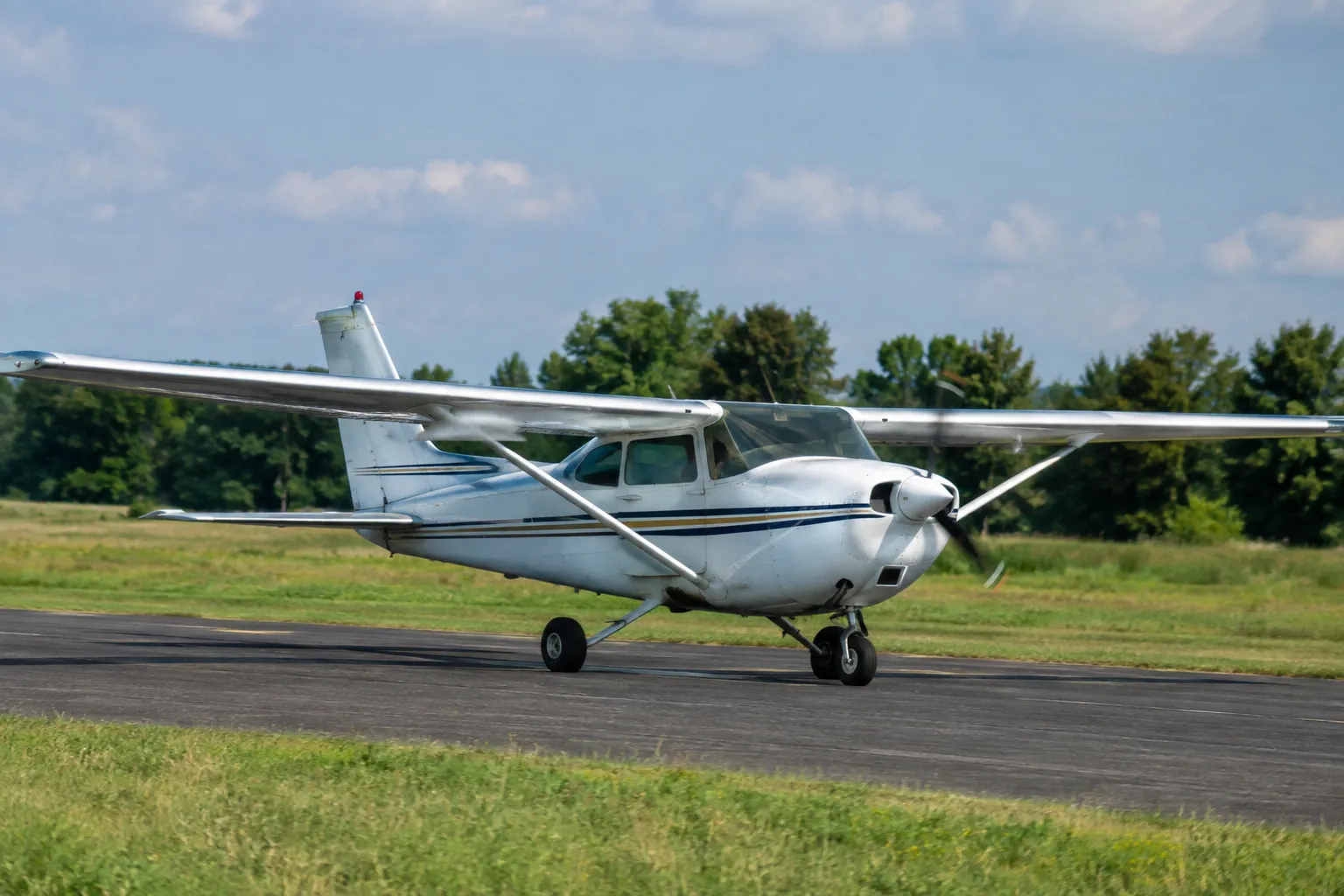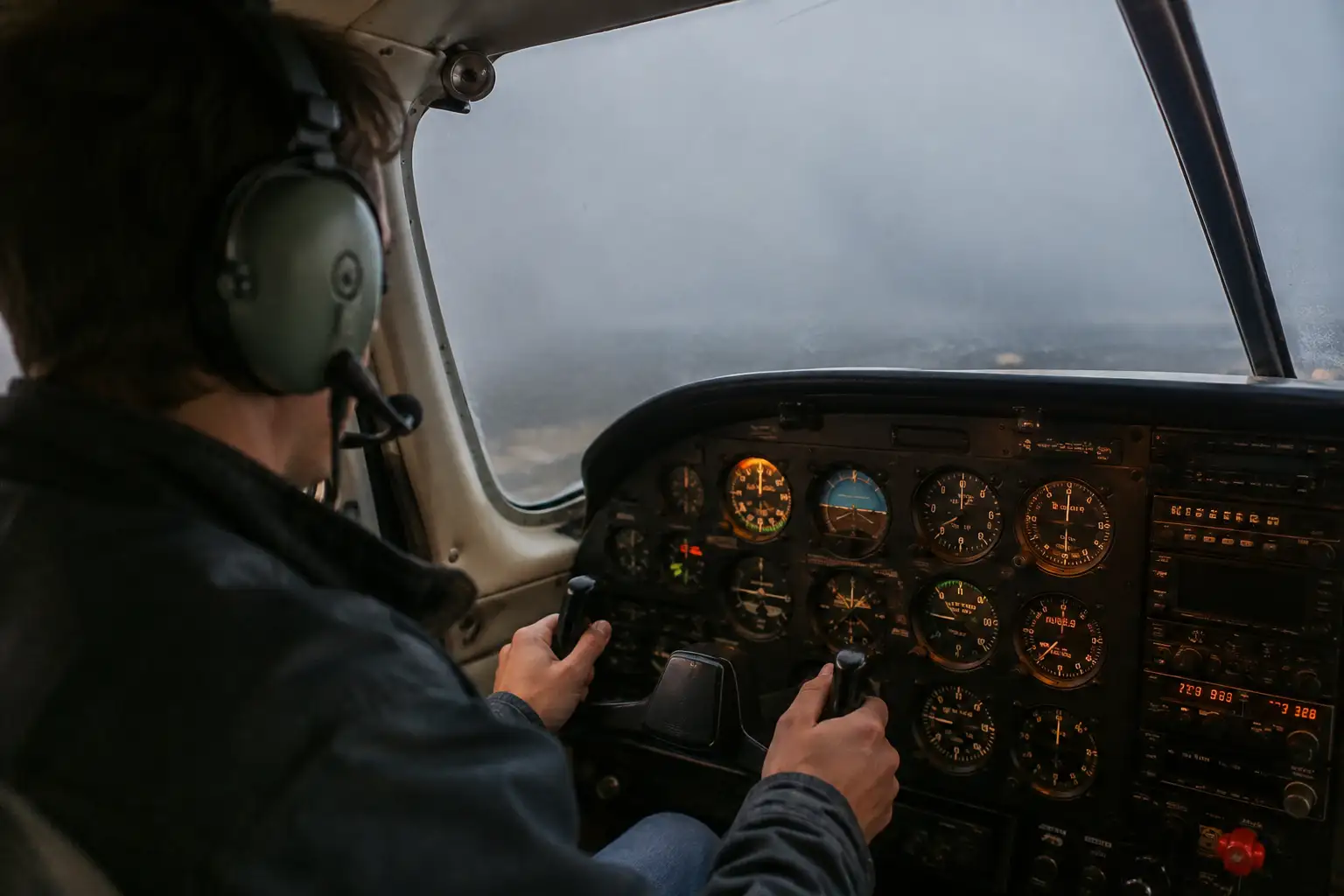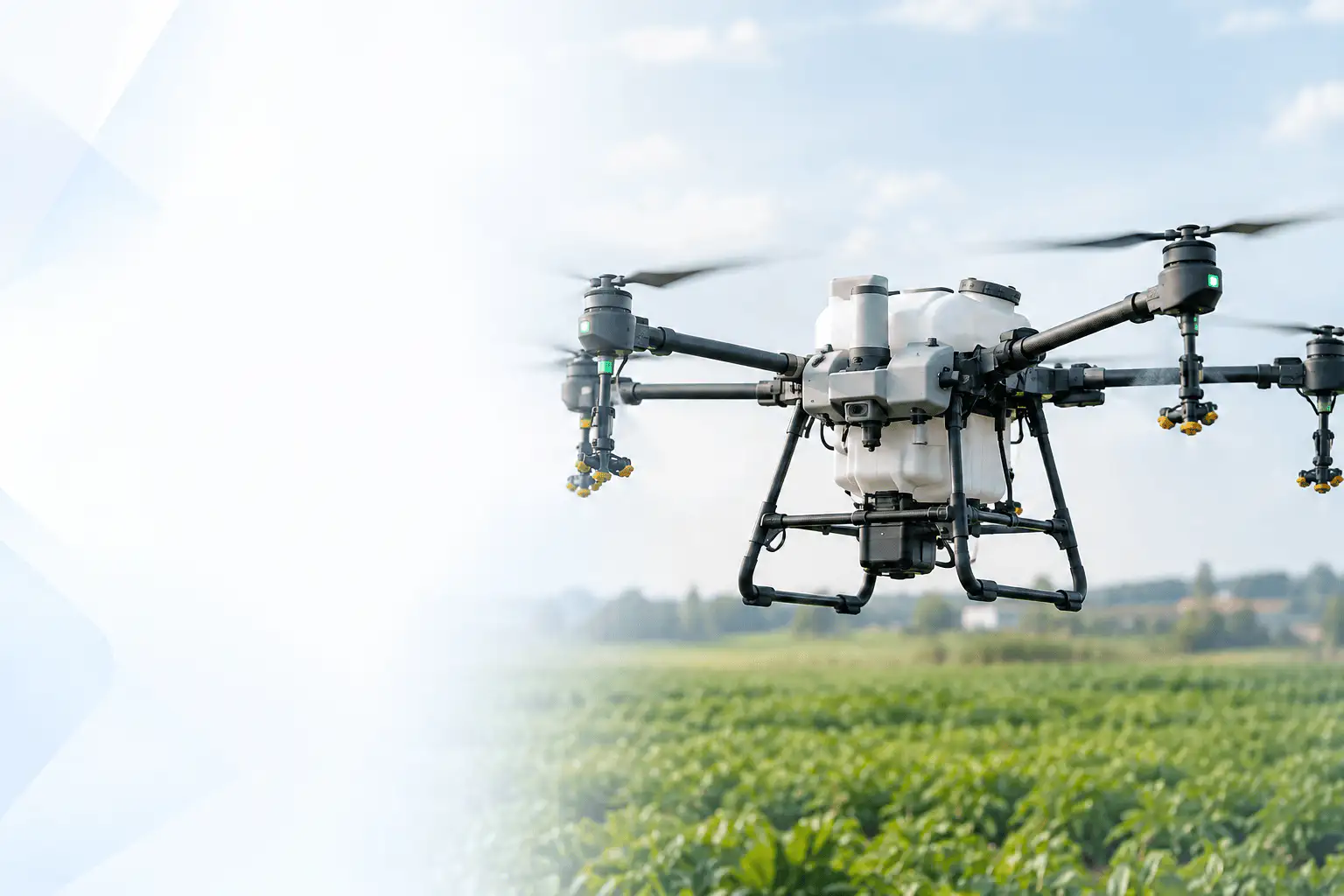
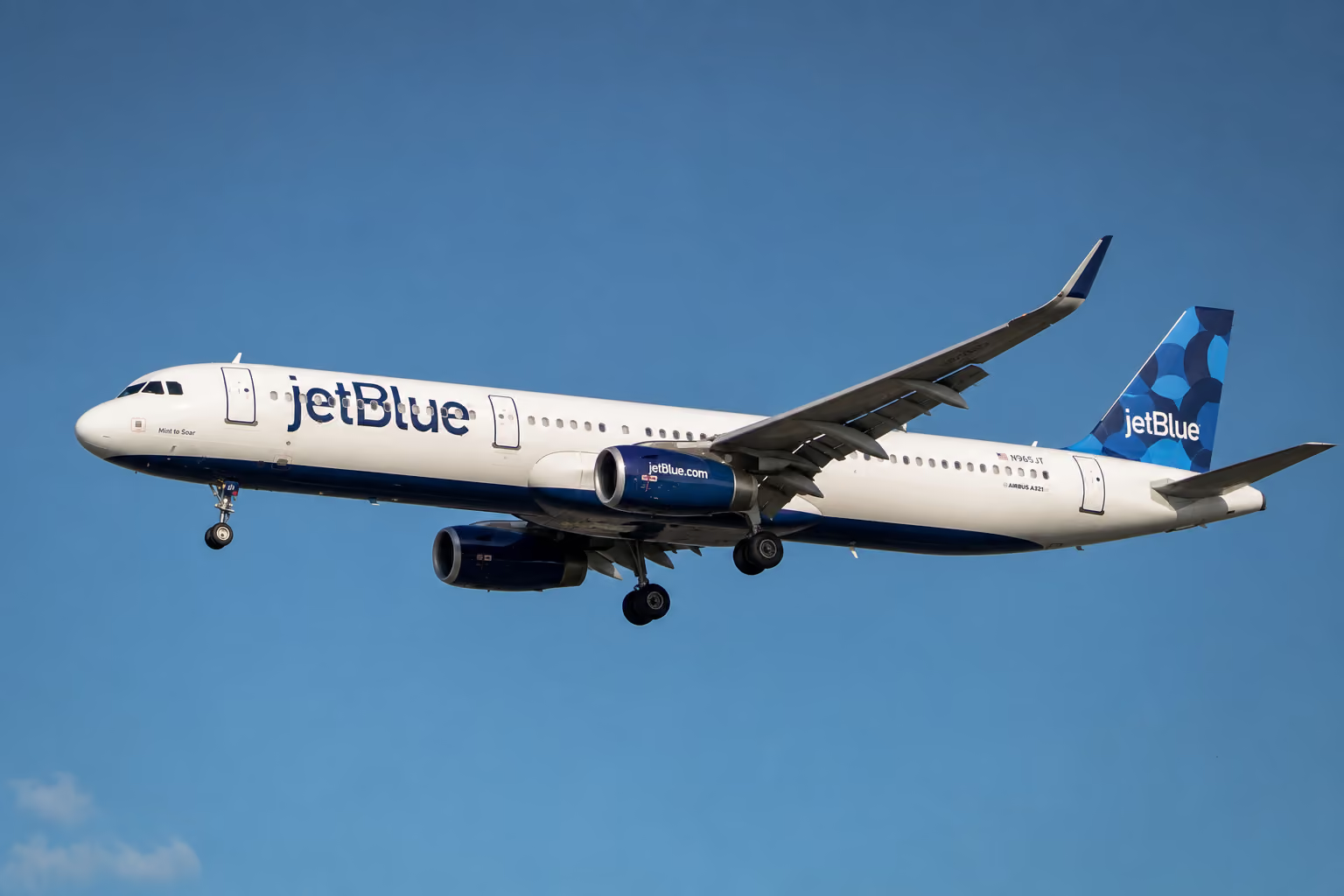
On June 29, 2026, at 7:15 in the morning, JetBlue Flight 948 was on approach to JFK when it struck a drone at roughly 3,000 feet near Sea Bright, New Jersey. The pilot reported it simply: "We collided with a drone back there in the turn. It hit us right above the cockpit."
Fortunately, no structural damage was found on inspection. The FAA is investigating.
But here's the question nobody in the news coverage seemed to ask: what happens to the drone operator's insurance?
The short answer is almost certainly nothing good.
Flying in Controlled Airspace Voids Your Coverage
The airspace around JFK is some of the most restricted in the country. Flying a drone there without authorization isn't a gray area or a technicality. It's a clear violation of FAA regulations, and that distinction matters enormously when it comes to insurance.
Drone insurance policies, including ours, are built on a straightforward principle: coverage applies when you're flying legally. Skywatch was quoted directly in Insurance Business Magazine in their coverage of the JetBlue incident, stating that policies "do not cover flights conducted in violation of FAA regulations. Flying legally is the baseline for your coverage to hold."
That's not fine print. That's the foundation of how drone insurance works.
When you fly in unauthorized controlled airspace, you are operating outside the terms of your policy. Your insurer has no obligation to cover any damage you cause, any property you destroy, or any third-party claims filed against you. The coverage simply doesn't apply.
The Financial Exposure Is Serious
This isn't just about losing your drone. The operator in this incident could be looking at:
- FAA civil penalties up to $75,000 per violation
- Criminal charges, depending on intent and circumstances
- Subrogation claims from JetBlue's insurer, seeking to recover costs from the responsible party
That last one often catches people off guard. Airlines carry hull insurance on their aircraft. If JetBlue's insurer pays out for any inspection, repair, or grounding costs, they have the legal right to pursue the drone operator to recover that money. And if your drone policy is void because you were flying illegally, you're absorbing that cost personally.
This is exactly the situation drone insurance is designed to protect against, but only when the flight is legal.
This Isn't a One-Off Incident
The JetBlue strike didn't happen in isolation. The week before, a United Airlines flight had a near-miss at Newark, with a drone passing approximately 100 feet below the aircraft. The FAA receives more than 100 drone sighting reports near US airports every month.
At the same time, US authorities seized more than 300 drones near FIFA World Cup venues since June 11. Enforcement is active, and regulators are paying close attention.
Do's and Don'ts for Drone Operators
Do:
- Check airspace authorization before every flight using LAANC or the FAA DroneZone
- Know your airspace classifications and what authorization is required for each
- Carry a current Part 107 insurance policy before any commercial operation
- Keep your remote pilot certificate current
- Report any airspace conflicts or incidents promptly
Don't:
- Assume a location is fine because you've flown nearby before
- Fly near airports, stadiums, or major events without explicit authorization
- Rely on your insurance if you already know you're breaking the rules
- Ignore temporary flight restrictions (TFRs), which can appear with little notice
- Assume that "no damage occurred" means you're in the clear legally
FAQ
If my drone causes an accident in a no-fly zone and nobody gets hurt, am I still liable?
Yes. Liability doesn't depend on whether injuries occurred. If you damaged property, disrupted aviation, or caused economic losses, you can still face civil claims and FAA penalties.
Does my drone insurance cover me if I accidentally enter restricted airspace?
It depends on the circumstances. Intentional violations are almost universally excluded. Even unintentional incursions can void coverage if you failed to check airspace before flying, since that's considered basic due diligence under most policies.
What is subrogation and why does it matter to me?
Subrogation is when one insurer pays a claim and then pursues the responsible party to recover that money. If an airline's insurer covers costs related to a drone strike, they can file a claim directly against the drone operator. If your policy is void, you pay out of pocket.
Can I get authorization to fly near JFK or other Class B airports?
Yes, but it requires explicit FAA authorization through LAANC or a specific waiver. You need approval before the flight, not after.
How do I know if my current policy covers me for a specific flight?
Read your policy's exclusions section, specifically the language around FAA compliance. If you're unsure, contact your insurer before the flight. At Skywatch, legal operation is a condition of coverage.
What happens to my policy after a violation, even if I don't file a claim?
FAA violations are reportable events. Depending on severity, your insurer may review, modify, or non-renew your coverage at the next term. A history of airspace violations makes you a significantly higher risk to insure.
The Bottom Line
The drone that hit JetBlue Flight 948 didn't cause a crash. That's fortunate. But the operator is likely facing FAA penalties, potential criminal exposure, and zero insurance protection because they were flying where they had no business flying.
Insurance covers accidents. It doesn't cover choices to break the rules.
Get a drone insurance quote from Skywatch and fly knowing your coverage will actually hold when you need it.