On August 13, 2026, President Trump signed a proclamation that changed the cost equation for commercial drone operations in the United States. Tariffs ranging from 10% to 100% now apply to drones, components, and accessories imported from key manufacturing countries, with the first wave hitting operators in less than three weeks. If you fly commercially, run a drone business, or hold a Part 107 certificate, this is a direct hit to your operating budget, your fleet replacement strategy, and your long-term pricing model.
Here is what the new rules actually say, who gets hit hardest, and what you should be doing about it right now.
What are the new drone tariffs?
The proclamation, published by the White House and backed by a formal fact sheet, frames the tariffs as a national security measure designed to reduce US dependence on foreign-made drone technology and strengthen domestic supply chains. The policy targets imported drones and their parts and components, applying different tariff rates depending on the category of drone and the country of origin.
The structure is tiered. The heaviest tariffs land on the most strategically sensitive categories of drones, while a broader, lower tariff will eventually cover the standard commercial drones that most Part 107 operators fly every day. Allied nations receive somewhat preferential treatment, though "preferential" is relative when you are still looking at a 15% cost increase on hardware you were buying at zero tariff just months ago.
The proclamation is separate from, and should not be confused with, a pending FCC proposal that could go even further.
The 100% tariff: who gets hit first
The most urgent deadline falls on September 3, 2026, just 21 days after the signing date. That is when a 100% tariff takes effect on a specific set of high-value, high-sensitivity drone categories: drones over 25 kilograms, thermal imaging drones, docking stations, and critical components that fall under the national security classification in the proclamation.
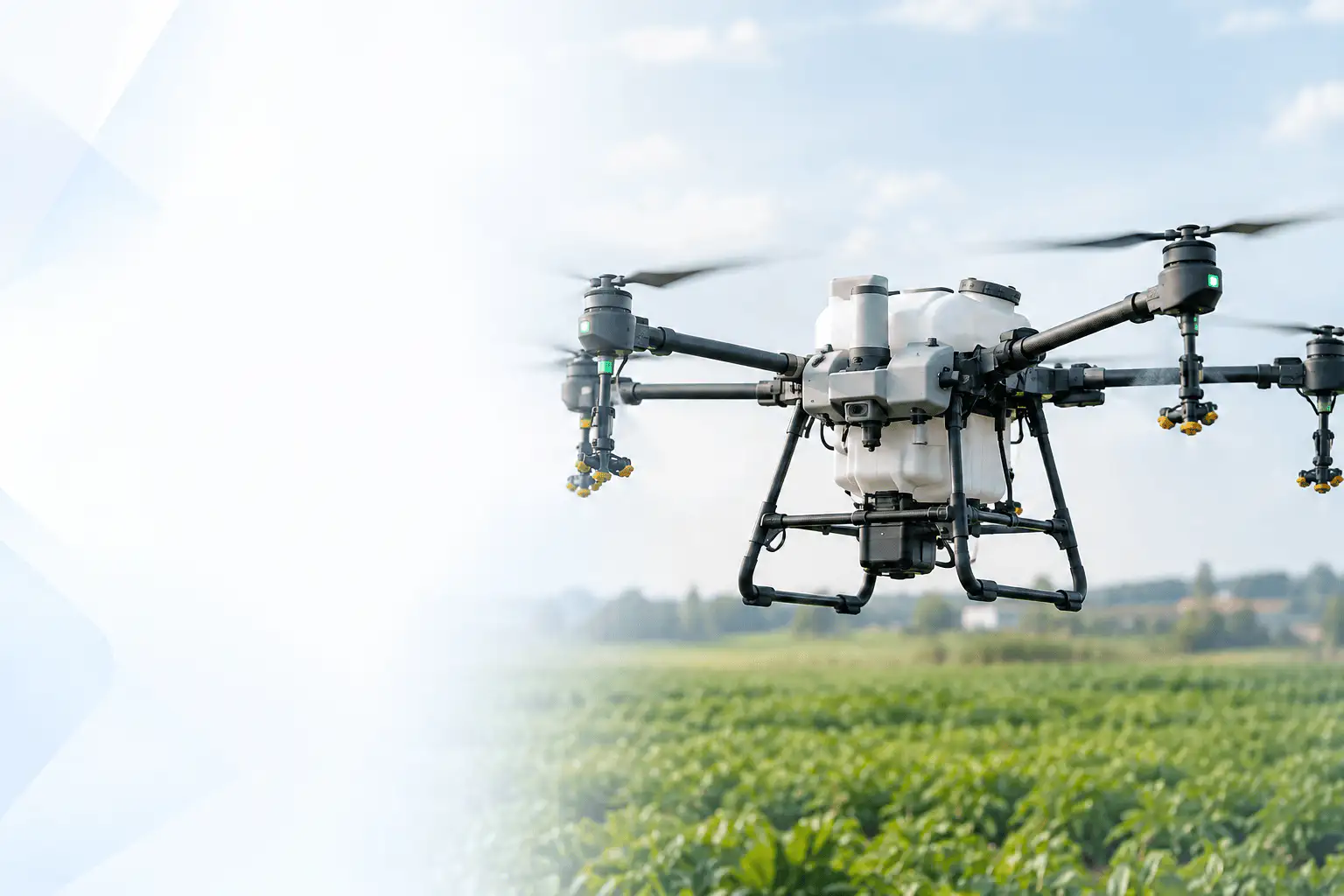
A thermal imaging drone that costs $10,000 today will effectively cost $20,000 once the tariff applies to new imports. Docking stations, which are increasingly central to automated inspection and infrastructure monitoring workflows, face the same doubling. Heavy-lift platforms used in construction, agriculture, and industrial inspection are in the same position.
For commercial drone operators who depend on thermal capabilities for roofing inspections, search and rescue contracts, solar farm assessments, or utility line surveys, the September 3 deadline is not an abstraction. It is a hard cutoff. Any thermal drone or docking station that clears customs before that date arrives under the old pricing. Anything after will be subject to the full 100% duty.
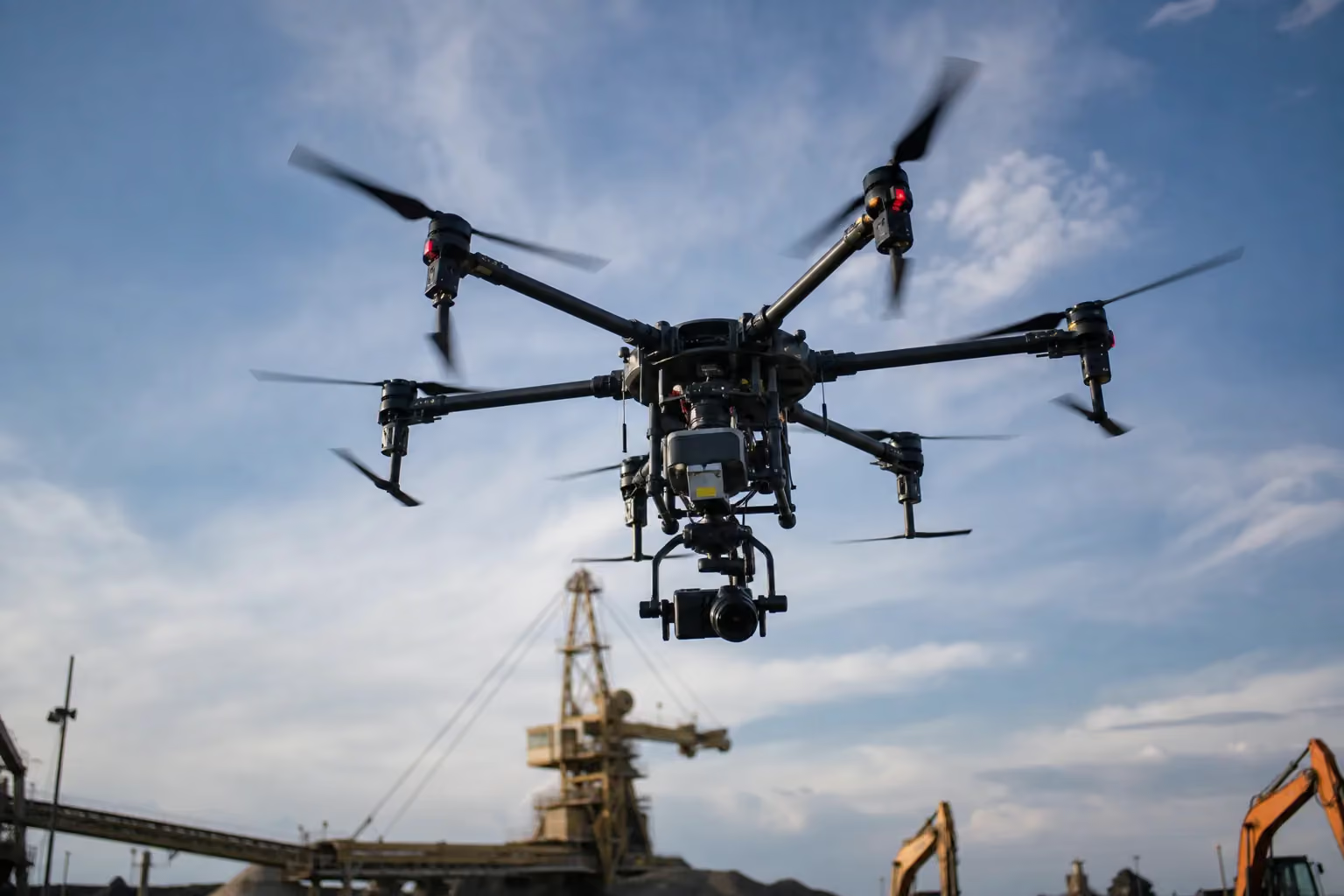
This also affects repair costs. Critical components are included in the 100% tariff category, which means replacing a gimbal, a thermal sensor array, or a specialized payload on an existing drone will become significantly more expensive starting September 3.
The 25% tariff on standard drones
The second wave of tariffs is broader but gives operators more time to prepare. A 25% tariff on all other small drones, including the consumer and commercial-grade models that dominate the market, takes effect on February 9, 2027, 180 days after the August 13 signing.
This is the tariff that will be felt most widely across the Part 107 community, because it covers the aircraft that the vast majority of commercial operators actually fly. DJI and Autel are the dominant brands in the US commercial drone market, and both are Chinese manufacturers. A DJI drone currently priced at $2,000 would carry an effective import cost of $2,500 once the tariff applies, and that cost will be passed through the distribution chain to end buyers.
DJI tariff increases and Autel tariff increases will affect new aircraft purchases, replacement units after a crash or mechanical failure, and spare aircraft that operators carry as backups for commercial contracts. February 2027 sounds far away, but operators who plan fleet expansions or replacement cycles need to adjust those plans now, not in January.
Allied countries: a different rate, not an exemption
The proclamation does differentiate by country of origin, offering lower tariff rates to a set of allied trading partners. The European Union, Japan, Liechtenstein, South Korea, Switzerland, and Taiwan all receive a 15% tariff rate rather than the higher rates applied to other countries. The United Kingdom receives a 10% tariff rate.
These are not exemptions. Drone hardware manufactured in or routed through these countries will still cost more than it did before the proclamation. The 15% rate for EU and Asian allied nations still represents a meaningful price increase on components, sensors, and specialized equipment that US operators source from those regions.
For operators who use European-made platforms or components sourced from Taiwan's technology manufacturing sector, the cost impact is real, even if it is lower than the tariffs applied to Chinese-manufactured goods. The allied-country rates also matter because some component supply chains run through multiple countries, and understanding where your parts actually originate will become a more pressing question for procurement decisions going forward.
What these tariffs do NOT do
Before anyone grounds their fleet or cancels contracts, be clear about what the commercial drone tariffs do not do. They do not ban the operation of existing drones. They do not require operators to surrender or replace aircraft they already own. They do not make it illegal to fly a DJI or Autel aircraft for commercial work. If you have a Part 107 certificate and a legally operated drone, you can still fly that drone.
The tariffs are a tax on future imports. They affect what you will pay to buy a new drone, replace a lost one, or import components for repairs. Your current aircraft and your current business are not grounded by this proclamation. The practical disruption is forward-looking, not immediate, and that distinction matters when deciding how to respond.
What commercial operators should do right now
Start with a complete fleet and equipment inventory. Know exactly what you own, what condition it is in, what its expected service life is, and what replacement parts or units you are likely to need in the next 12 to 24 months. That inventory gives you the information you need to make smart purchasing decisions before the tariff deadlines hit.
If thermal drones, docking stations, or heavy-lift aircraft are part of your operation or your near-term business plan, the September 3 deadline should be treated as urgent. Reach out to vendors immediately, understand lead times, and get purchase orders in place. A 100% tariff is not a rounding error; it is a business model disruption if you absorb it without planning.
Stock spare parts and batteries where you can. Batteries and critical replacement components are subject to the tariff structure, and having adequate spares on hand before the September 3 deadline protects your operational continuity. For standard commercial drone operators, the February 2027 effective date gives more breathing room, but operators should still accelerate any planned purchases that make sense at current prices.
Adjust your bid pricing now. If you price contracts months in advance, your equipment cost assumptions may already be outdated. Build tariff-adjusted replacement and repair costs into any long-term service agreements or project bids you submit from this point forward.
Begin researching US-made or allied-country-manufactured alternatives in your equipment category. The domestic drone manufacturing ecosystem is still developing, but the policy environment is now strongly incentivizing its growth. Understanding what is available, and at what capability level, positions you to make informed decisions as the market shifts.
The FCC proposal: a separate but related threat
While the tariffs represent a cost-based policy mechanism, a separate regulatory action at the FCC could go considerably further. The FCC has proposed a rule that would effectively ban the sale of certain Chinese-manufactured drones in the United States on national security grounds. That proposal is not yet final, and the public comment period remains open through September 2, 2026, just one day before the first tariff wave takes effect.
The FCC proposal and the tariff proclamation are legally distinct actions, administered by different agencies, and they should not be conflated. But they share a directional logic, and commercial operators would be wise to monitor both tracks. If the FCC proposal moves toward finalization, the market dynamics created by the tariffs would accelerate significantly. Staying informed on both fronts is simply good business practice at this point.
What this means for drone insurance and fleet risk
The commercial drone tariffs create a risk environment that directly intersects with how operators think about insurance. When replacement costs rise sharply, the stakes attached to any single aircraft loss go up with them. A drone that costs $2,500 to replace today may cost $3,000 or more after February 2027. A thermal system that was a $10,000 replacement expense before September 3 becomes a $20,000 exposure afterward.
Operators who are underinsured relative to their actual replacement costs are taking on more uncompensated risk than they may realize. Reviewing your drone insurance coverage to ensure that insured values reflect post-tariff replacement costs is a practical step that belongs on the same checklist as spare parts purchasing and bid repricing. Beyond hull coverage, the increasing cost of components also affects the economics of repair versus replace decisions after an incident, which can have downstream effects on operational downtime and contract fulfillment risk.
At SkyWatch, we work with Part 107 drone insurance customers who take their risk management seriously, and that conversation is always evolving as the cost and regulatory landscape around drone operations changes. If your fleet coverage was priced against pre-tariff hardware costs, now is the right time to revisit it.
The drone industry is navigating one of its most significant policy shifts in years. Operators who come out ahead will be the ones who treat August 13, 2026 as a planning date, not just a news event. Get your inventory documented, make time-sensitive purchases before the September 3 deadline, and build the new cost realities into every forward-looking business decision you make.
Frequently asked questions
Do the tariffs affect drones I already own?
No. The tariffs apply to future imports only. If you already own and operate a drone, you are not required to replace it or stop flying it for commercial work. Your existing equipment and your Part 107 certificate are unaffected.
When does the 100% tariff take effect?
September 3, 2026. That deadline applies to drones over 25 kilograms, thermal imaging drones, docking stations, and critical components. Any equipment that clears customs before that date is not subject to the higher tariff.
When does the 25% tariff on standard commercial drones take effect?
February 9, 2027, which is 180 days after the August 13, 2026 signing. This covers the consumer and commercial-grade drones that most Part 107 operators fly, including DJI and Autel aircraft.
Are DJI drones banned?
No, not by the tariff proclamation. The tariffs make importing new DJI hardware more expensive, but they do not ban the sale or operation of DJI drones. A separate FCC proposal could potentially restrict sales of certain Chinese-manufactured drones, but that rule has not been finalized as of August 2026.
Do the tariffs affect drone repair parts?
Yes. Critical components, including gimbals, thermal sensor arrays, and specialized payloads, are subject to the 100% tariff starting September 3, 2026. Standard replacement parts for consumer and commercial drones fall under the 25% tariff effective February 2027.
Should I update my drone insurance coverage because of the tariffs?
Yes. If your hull coverage was set based on pre-tariff replacement costs, your insured value may no longer reflect what it would actually cost to replace your aircraft. Reviewing and updating your commercial drone insurance coverage now ensures you are not underinsured if a loss occurs after prices rise.
Which countries are excluded from the highest tariff rates?
No countries are fully exempt, but allied trading partners receive lower rates. The EU, Japan, South Korea, Switzerland, Liechtenstein, and Taiwan face a 15% tariff. The UK faces a 10% tariff. Chinese-manufactured goods face the higher 25% or 100% rates depending on the drone category.
Sources
White House Fact Sheet: President Donald J. Trump Bolsters National Security and Strengthens U.S. Supply Chains by Imposing Tariffs on Drones and Their Parts and Components