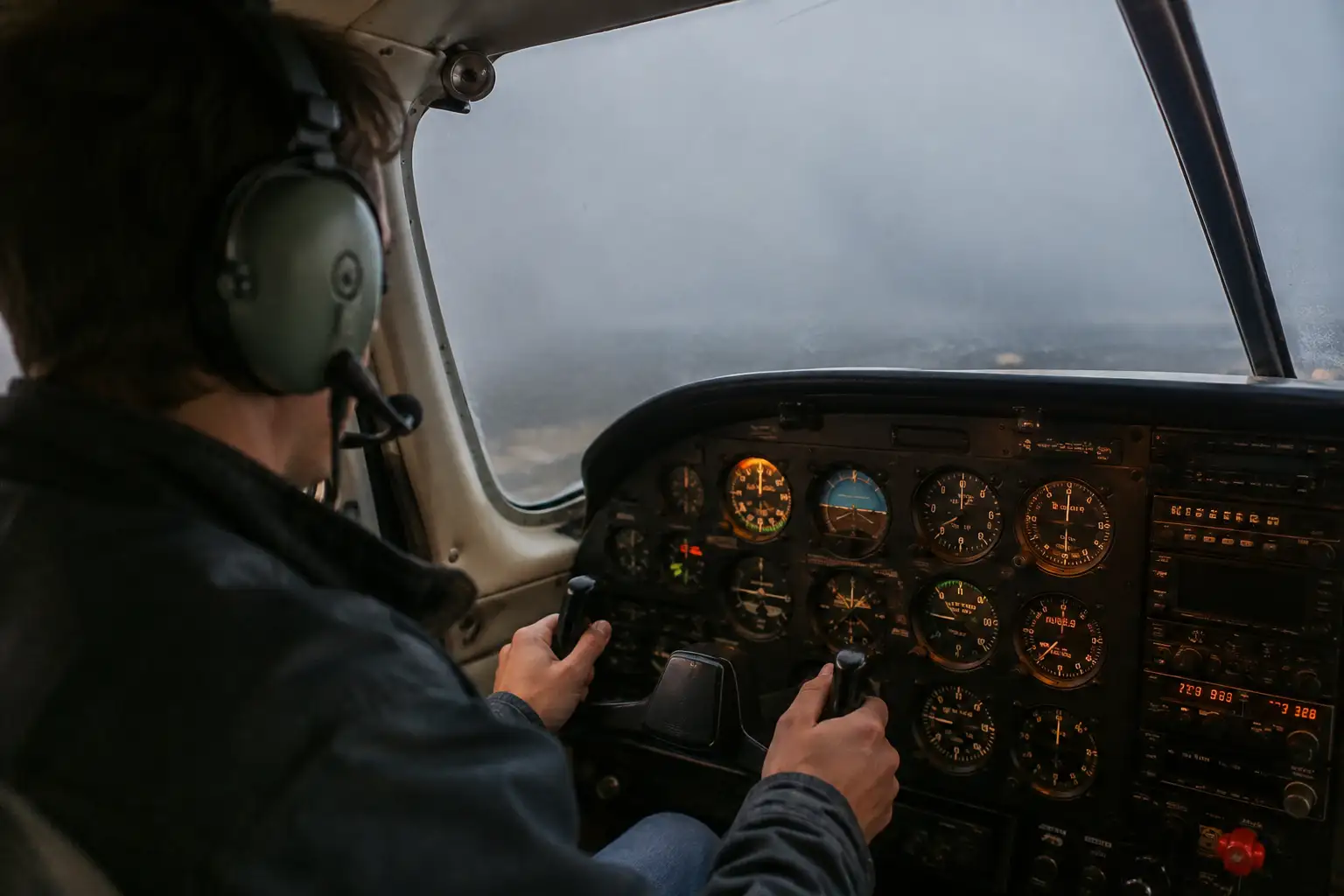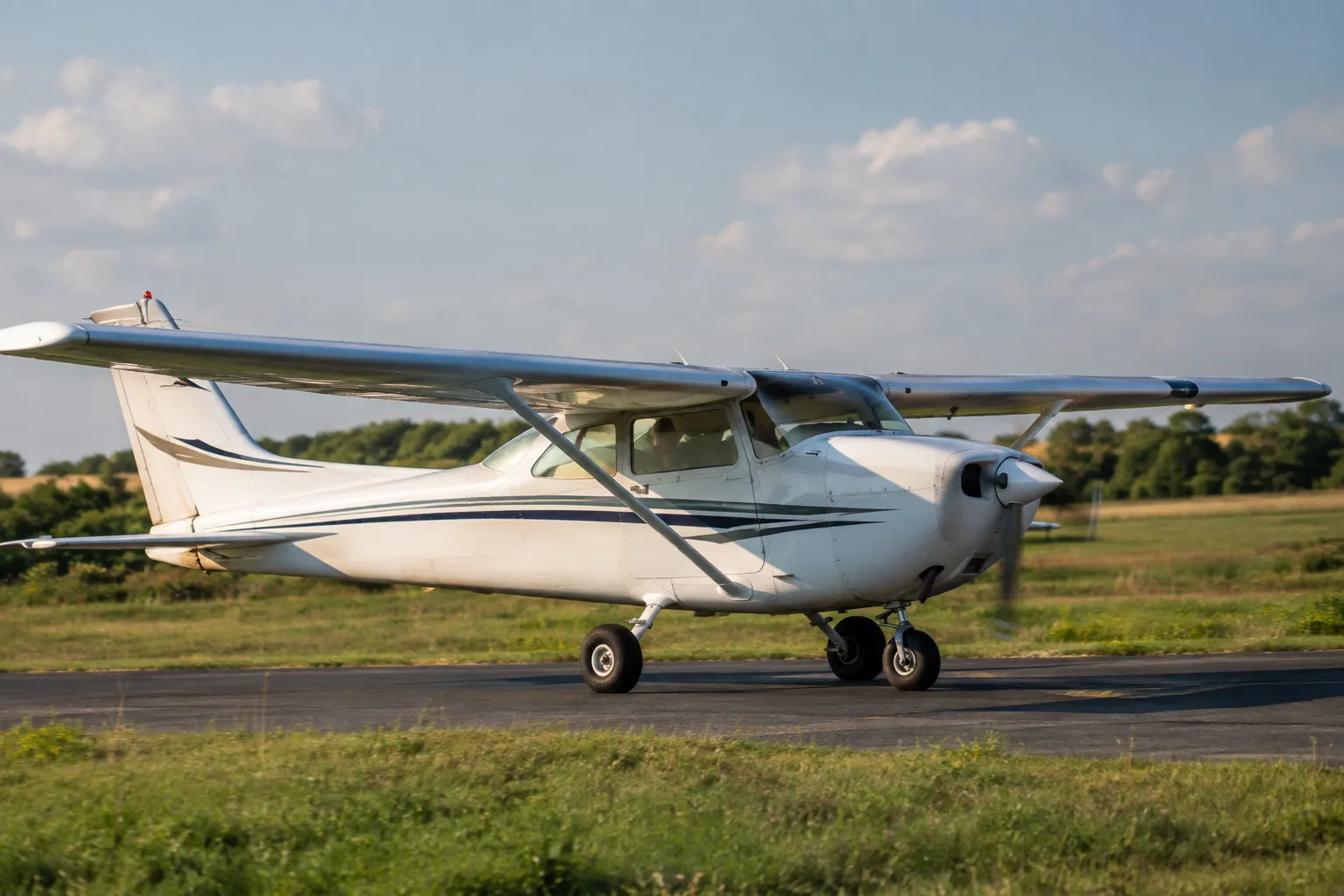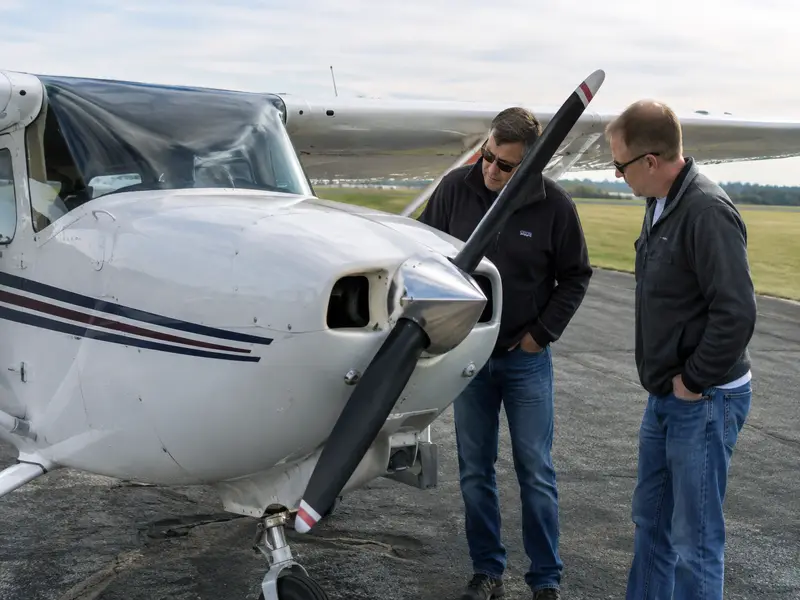
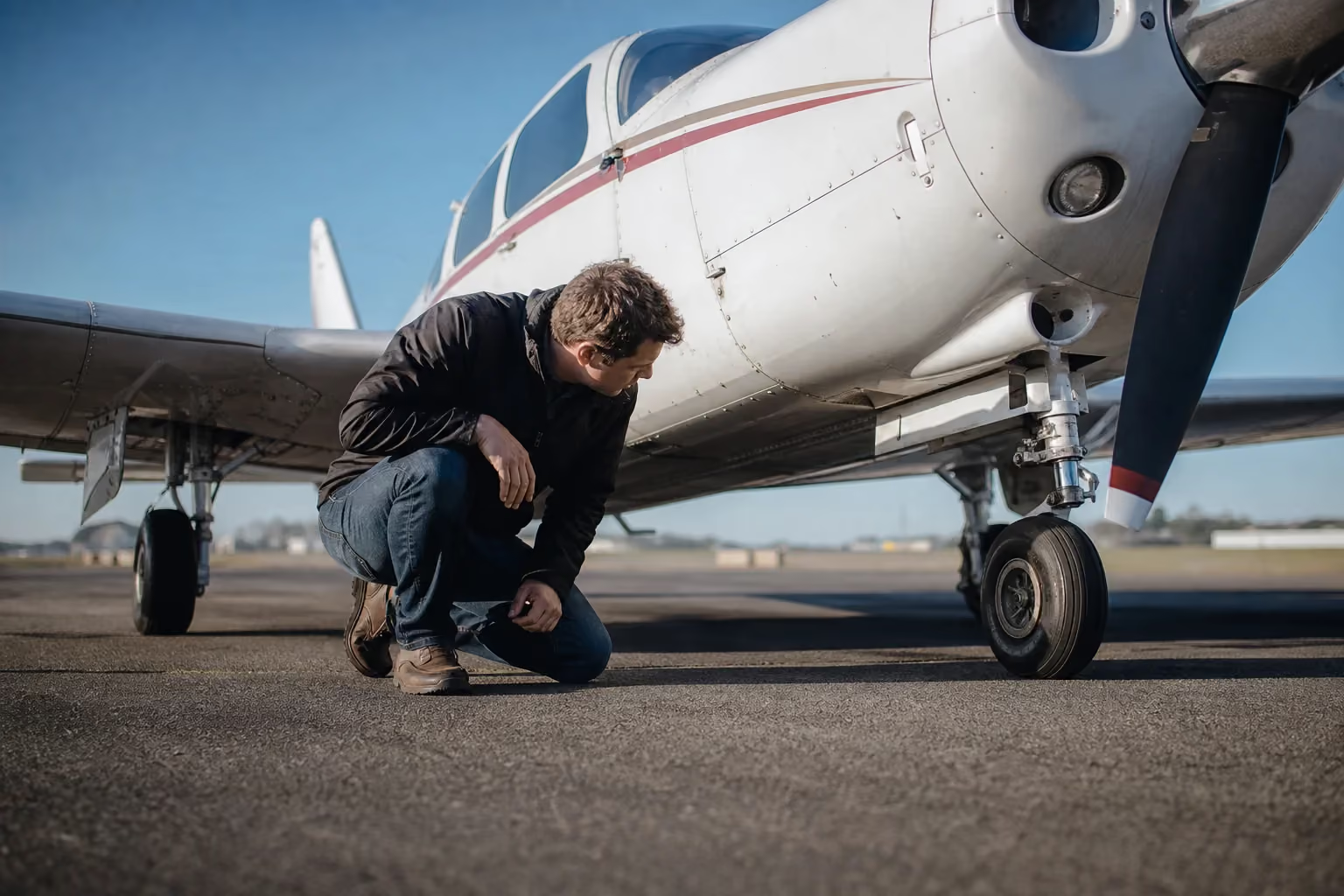

You passed your checkride in a Cessna 172. You have been building hours at the local FBO for a year or so. Now you want to step up to something with retractable gear, maybe a Piper Arrow, a Cessna 182RG, or a Bonanza. The checkout takes a few hours of dual instruction with a CFI, and then you are flying a plane worth two or three times more than anything you have touched before.
This is a great move as a pilot. But before you schedule that first flight, your non-owned aircraft insurance needs a hard look. Policies written for training in a 172 often do not automatically extend to complex or high-performance aircraft. Assuming they do is one of the more expensive mistakes a renter pilot can make.
What makes a complex or high-performance aircraft different from an insurer's perspective
The FAA defines a complex aircraft as one with retractable landing gear, flaps, and a controllable-pitch propeller. High-performance means 200 horsepower or more. From an insurance standpoint, both categories mean higher hull values and more ways for things to go wrong.
A Piper Arrow might be worth $90,000 to $130,000. A Beechcraft Bonanza can run $200,000 or more on the used market. When you rent one of these aircraft, your exposure to a hull damage claim goes up significantly compared to renting a basic trainer. Your policy limits need to reflect that.
Beyond hull value, retractable gear aircraft carry a specific risk that insurers pay close attention to: gear-up landings. They are not rare, and they are expensive. A gear-up on a Piper Arrow can cost $40,000 to $80,000 to repair, sometimes more. If your hull coverage cap is $60,000 and the repair bill is $75,000, the gap comes out of your pocket.
The checkout requirement and what it means for your coverage
Most non-owned policies include a checkout requirement for unfamiliar aircraft. This typically means you must log a specified number of dual instruction hours with a CFI in the make and model before the policy covers you as solo PIC. The requirement is usually listed in your policy declarations or endorsements.
Here is where pilots get into trouble. They assume that because they are sitting in the left seat with an instructor for a checkout flight, they are automatically covered. Sometimes they are, but not always. Some policies only activate hull and liability coverage once the checkout is complete and documented. If something happens during that first dual lesson, your coverage may be limited to liability only, or not triggered at all depending on the policy language.
Read your policy before you schedule the checkout. If it is unclear, call your insurer and get it in writing. Ask specifically: am I covered for hull damage during a dual instruction checkout in a make and model not listed on my current policy?
Raising your hull limits before you fly something more valuable
If you currently carry $50,000 in hull coverage for renting a 172, that limit may fall well short of what you need for a complex rental. Check what the FBO or flight school requires. Many now ask renters of complex aircraft to carry hull coverage equal to at least the insurance deductible on the aircraft's owner policy, which can be $10,000 to $25,000 or more. Some ask for coverage up to the full hull value.
Aircraft renters insurance through SkyWatch lets you adjust coverage limits when your flying changes, so you are not locked into limits that made sense six months ago but do not fit where you are flying today.
Before you rent a more valuable aircraft, update your hull coverage to match what you would actually be liable for. Do not wait until after the checkout to figure this out.
Multi-engine adds another layer
If you are working toward a multi-engine rating and plan to rent a Piper Seneca or Beechcraft Baron, the same issues apply but at a higher level. Multi-engine aircraft carry significantly higher hull values, and some non-owned policies require a separate multi-engine endorsement or a policy add-on to cover you in twins.
Flight instructors who give multi-engine instruction in aircraft they do not own face the same gap. A standard CFI non-owned policy may not cover multi-engine operations without a specific endorsement. Check before you instruct, not after.
Practical steps before your first complex rental
Pull out your current non-owned policy and find the section on aircraft type limitations. Look for language about horsepower limits, retractable gear, or specific aircraft makes and models. If those limits exist and the aircraft you plan to rent falls outside them, contact your insurer before you fly.
Ask the FBO or flight school for their minimum coverage requirements for the specific aircraft. Get that in writing too. Then compare what they require to what your policy actually provides.
If there is a gap, close it. Adjusting your coverage limits or adding an endorsement is usually straightforward. Discovering the gap after you have a hull claim is not.
The good news is that none of this has to be complicated. Aviation insurance for renter pilots is flexible, and getting your coverage right for a complex or high-performance aircraft is usually a matter of a short conversation with your insurer and a policy update before your checkout date.
Frequently asked questions
Does my non-owned aircraft insurance automatically cover a complex or high-performance aircraft?
Not always. Many non-owned policies have aircraft type or horsepower limitations built into the coverage. Before renting a complex or high-performance aircraft, review your policy for those limitations and contact your insurer if the aircraft you plan to rent falls outside them.
Am I covered during a checkout flight with a CFI in a new aircraft type?
It depends on your specific policy. Some policies provide full coverage including hull from the first dual lesson. Others only activate full coverage once a required checkout is complete. Read the checkout requirements in your policy and ask your insurer directly before the first flight.
How much hull coverage do I need for a complex aircraft rental?
At minimum, enough to cover the FBO or flight school's insurance deductible on the aircraft, which can range from $10,000 to $25,000 or more. Many operators of higher-value aircraft ask renters to carry more. Check the specific requirements with the flight school before you rent.
Do I need a separate policy or endorsement to fly multi-engine aircraft I do not own?
Often yes. Many non-owned policies require a multi-engine endorsement to cover you in a twin. If you are pursuing a multi-engine rating or instructing in twins, check your policy for multi-engine language and add the endorsement if it is missing.
What happens if I have a gear-up landing in a rented aircraft and my hull coverage is too low?
You are responsible for the difference between the repair cost and your coverage limit. A gear-up on a retractable-gear aircraft can cost $40,000 or more to fix. If your hull coverage tops out at $60,000 and the bill is $85,000, the remaining $25,000 comes from you directly. That is why matching your hull coverage to the actual value of the aircraft you are renting matters.